
EMI Protection in Automotive Electronics
DETAILS
EMI Protection in Automotive Electronics: Challenges and Solutions
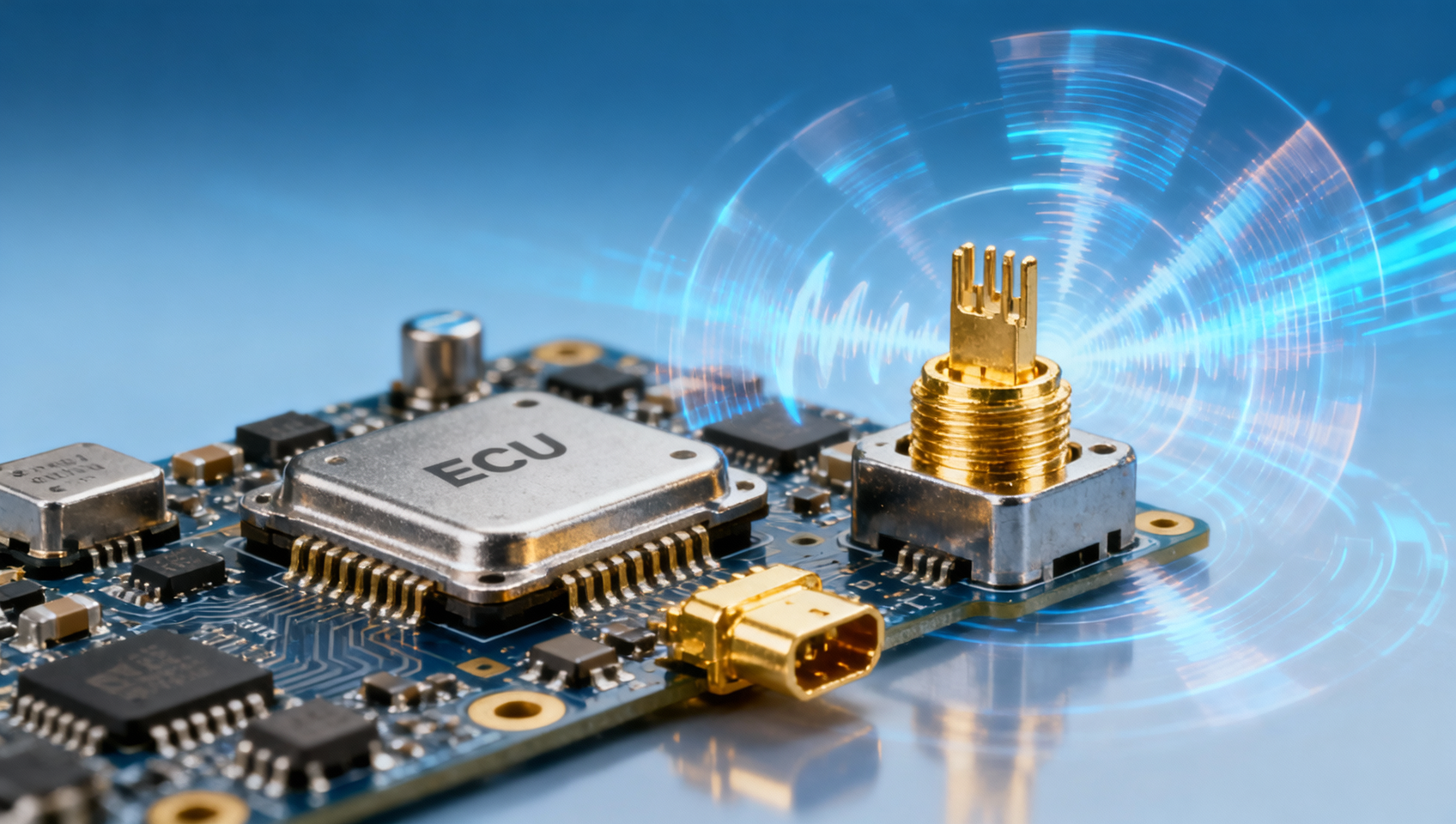
As automotive electronics advance, EMI protection becomes critical for reliable performance. SiliconCore Metrics examines cutting-edge electronic shielding and RF shielding solutions that combat electromagnetic interference while addressing thermal challenges. This analysis explores innovative heat sinks, cooling solutions, and protective enclosures that meet rigorous industry standards. From wire connectors to relay switches, we evaluate components ensuring signal integrity in harsh automotive environments - essential reading for engineers, procurement specialists, and decision-makers navigating complex electronic systems.
Understanding EMI Risks in Modern Vehicles
Modern vehicles contain over 100 electronic control units (ECUs) operating at frequencies from 1MHz to 5GHz, creating a complex electromagnetic environment. Without proper shielding, these systems can experience:
- Signal degradation up to 40% in unshielded CAN bus networks
- False triggering of safety systems like airbags or ABS
- 30-50% reduction in sensor accuracy for ADAS components
The automotive industry reports that EMI-related failures account for approximately 15% of warranty claims in premium electric vehicles, highlighting the critical need for robust protection.
This table illustrates the varying EMI protection requirements across automotive subsystems. Procurement teams should verify that all components meet or exceed these standards for their intended application.
Advanced Shielding Technologies
Contemporary automotive EMI solutions combine multiple approaches to achieve 60-90dB attenuation across critical frequency bands:
Conductive Shielding
Metalized plastics and conductive coatings now offer 85% weight reduction compared to traditional metal enclosures while maintaining:
- Surface resistivity <1Ω/sq
- Operating temperatures from -40°C to 125°C
- Vibration resistance up to 15G
Magnetic Shielding
High-permeability alloys (μr >50,000) protect sensitive components from low-frequency magnetic fields below 100kHz, critical for:
- Electric motor control systems
- Wireless charging circuits
- Current sensors
Thermal-EMI Integration Challenges
Modern power electronics generate both EMI and significant heat (up to 150W/cm²), requiring integrated solutions:
This comparison helps engineering teams balance performance requirements with budget constraints. For high-power applications (>1kW), graphene solutions typically provide the best lifecycle cost despite higher initial investment.
Implementation Best Practices
Successful EMI protection requires system-level integration across 4 key phases:
1. Design Phase
Conduct electromagnetic simulations at 3 critical milestones:
- Initial PCB layout (identify hot spots)
- Mechanical prototype (validate shielding)
- Pre-production (verify system integration)
2. Component Selection
Prioritize components with:
- Shielded connectors (IP6K9K rated)
- EMI-filtered power inputs
- Ferrite bead integrated circuits
3. Manufacturing
Implement strict process controls for:
- Conductive gasket installation (±0.2mm tolerance)
- Shielding can solder joints (visual + X-ray inspection)
- Grounding continuity testing (<1Ω resistance)
4. Validation
Perform 3-tier testing:
- Component-level (CISPR 25)
- Subsystem (ISO 11452)
- Vehicle-level (ECE R10)
Future Trends in Automotive EMI Protection
Emerging technologies are reshaping EMI solutions for next-generation vehicles:
Active Cancellation Systems
Adaptive circuits that detect and neutralize interference in real-time, achieving:
- 20-30% weight reduction vs passive shielding
- Dynamic response to 5G/mmWave frequencies
- Integration with vehicle cybersecurity systems
Nanocomposite Materials
Carbon nanotube-infused polymers offering:
- Anisotropic shielding (90dB axial, 60dB radial)
- Self-healing properties for long-term reliability
- Compatibility with injection molding processes
Conclusion and Next Steps
Effective EMI protection requires a holistic approach combining material science, component selection, and system integration. As vehicles evolve toward higher autonomy and electrification, EMI solutions must address both traditional challenges and emerging threats from 5G, V2X, and high-voltage systems.
For engineering teams designing next-generation automotive electronics, SiliconCore Metrics provides:
- Component-level EMI performance benchmarking
- Material selection guides for thermal-EMI applications
- Supplier qualification services for shielding solutions
Contact our technical analysts for customized EMI protection strategies tailored to your specific vehicle architecture and performance requirements.
Recommended News
- EMI ShieldingHow to choose a design verification resource for EMI testingDesign verification resource guide for EMI testing: compare technical depth, traceable evidence, and compliance insight to prevent costly redesigns.
- EMI ShieldingHow automotive component compliance testing supports EMC approvalComponent compliance testing automotive helps secure EMC approval through traceability, pre-compliance checks, and controlled design changes. Learn how to reduce risk.
- EMI ShieldingDo High-Performance Embedded Boards Need Different EMI Shielding?Do high-performance embedded boards require different EMI shielding approaches? Explore practical strategies for grounding, thermal design, cable control, compliance, and reliable performance.
- EMI ShieldingEU Adds Halogenated Flame Retardants and EMI Coatings to RoHS ScopeEU RoHS scope expands to halogenated flame retardants and EMI coatings under Directive (EU) 2026/1389. See how PCB exporters can prepare for the 2027 compliance deadline.
- EMI ShieldingEU Requires EPDs for EMI Shielding PartsEU Requires EPDs for EMI Shielding Parts from January 2027. Learn how the new EU rule affects compliance, carbon disclosure, shipment timing, and supplier planning.
- EMI ShieldingCBP Tightens Filing Rules for EMI Shielding ImportsCBP Tightens Filing Rules for EMI Shielding Imports: learn how the September 2026 ACE filing change affects RoHS, REACH, customs timing, and buyer risk for U.S.-bound shipments.