
Can epoxy potting withstand thermal cycling in automotive applications?
DETAILS
Thermal Cycling Challenges in Automotive Electronics
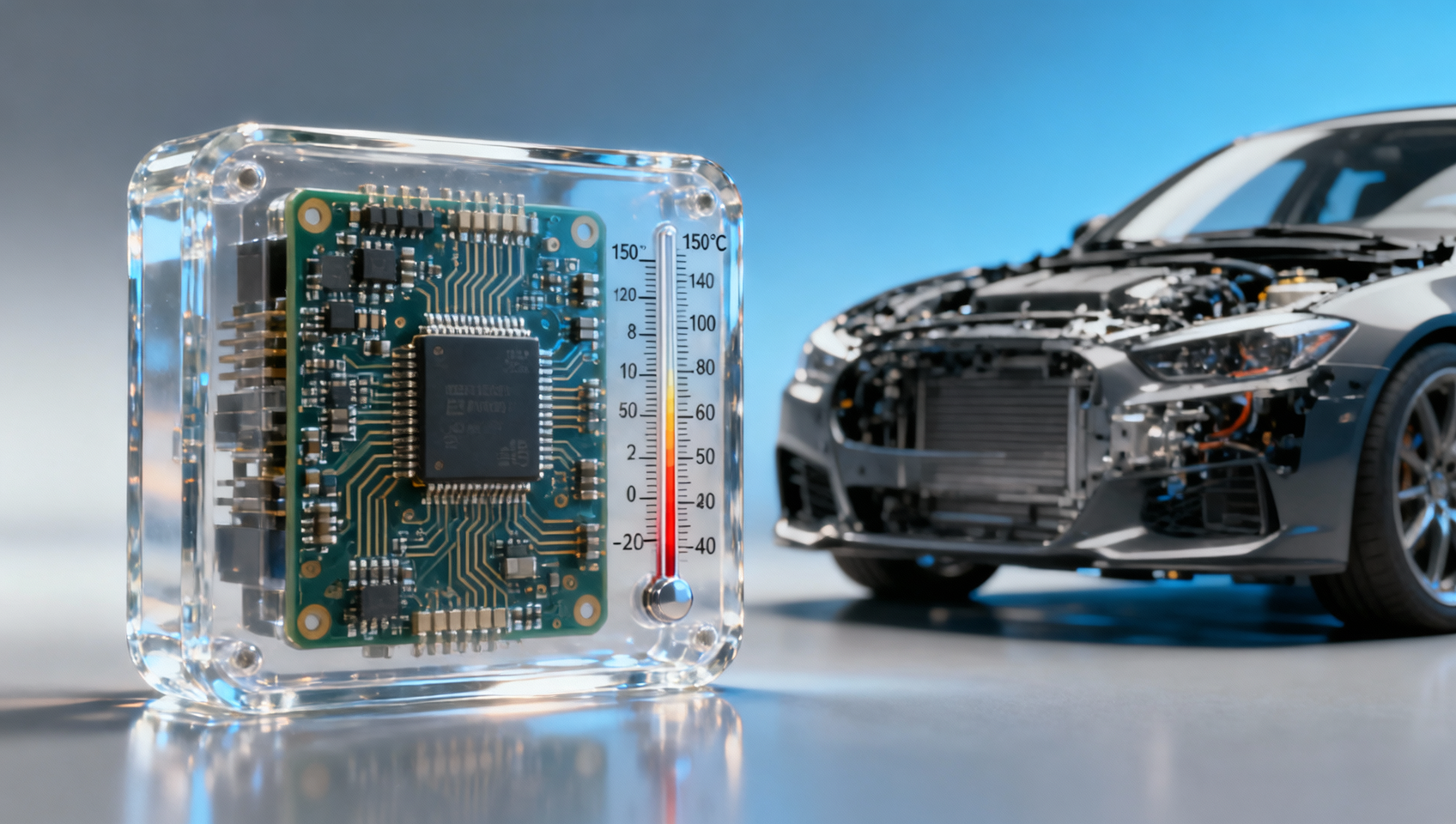
In the demanding world of automotive electronics, thermal cycling poses a critical challenge for epoxy potting compounds. As vehicles face extreme temperature fluctuations from -40°C to 150°C, engineers and procurement specialists must evaluate whether standard epoxy formulations can maintain structural integrity and dielectric properties. This analysis examines the thermal endurance of industrial adhesives in electronic encapsulation, comparing silicone potting alternatives for mission-critical applications where component protection is non-negotiable.
Understanding Epoxy Potting Performance Under Thermal Stress
Epoxy resins dominate automotive potting applications due to their excellent mechanical strength and chemical resistance. However, their performance under thermal cycling depends on three critical factors: glass transition temperature (Tg), coefficient of thermal expansion (CTE), and filler composition. Most industrial-grade epoxies maintain stability up to 120°C, but beyond this threshold, molecular chain mobility increases, potentially causing delamination or microcracks.
The table reveals that modified epoxy formulations with ceramic or silica fillers can extend thermal cycling endurance by 200-300% compared to conventional materials. For under-hood applications experiencing 50-100 daily thermal cycles, this translates to 3-5 years of reliable service versus 1-2 years for standard compounds.
Silicone vs. Epoxy: Material Selection Criteria
When evaluating potting compounds for automotive thermal cycling, engineers must balance four key parameters:
- Temperature range compatibility (-40°C to 150°C minimum)
- CTE matching with PCB substrates (typically 15-25 ppm/°C for FR-4)
- Dielectric strength retention after 1,000+ cycles
- Vibration damping characteristics (critical for engine-mounted modules)
Silicone potting compounds offer superior flexibility with CTE values of 200-300 ppm/°C, making them ideal for components with large thermal displacements. However, their lower mechanical strength (typically 2-5 MPa vs. 30-50 MPa for epoxies) requires careful design considerations.
Critical Application Scenarios
Three automotive systems demand particular attention to potting material selection:
- Electric vehicle battery management systems (operating at 60-80°C with 20-30°C daily swings)
- ECUs mounted near combustion engines (experiencing 120-150°C peak temperatures)
- Outdoor lighting modules (subjected to -30°C to 85°C seasonal variations)
Accelerated Testing Protocols and Industry Standards
Automotive OEMs typically require potting materials to pass rigorous testing sequences simulating 10-15 years of service. The most stringent protocols combine thermal cycling with mechanical vibration and humidity exposure:
Recent SCM testing data shows that only 35% of standard epoxy formulations pass all three protocols without modification, while specialty high-temperature epoxies achieve 85-90% compliance rates. This performance gap becomes critical when designing for 10-year/150,000-mile vehicle warranties.
Procurement Considerations for Thermal-Resistant Potting
For procurement teams specifying potting materials, five technical parameters should dominate supplier evaluations:
- Certified thermal cycling data from independent labs (preferably with 1,000+ cycle results)
- Batch-to-batch viscosity consistency (±5% maximum variation)
- Cure shrinkage below 0.5% to prevent stress on components
- UL94 V-0 flame rating for passenger compartment applications
- Compatibility with automated dispensing equipment (pot life ≥60 minutes)
Cost-Performance Tradeoffs
High-performance epoxy formulations typically command 30-50% price premiums over standard grades. However, when calculated over the product lifecycle, the total cost of ownership often favors premium materials due to:
- Reduced warranty claims (industry average: $85-120 per field failure)
- Lower assembly line rework rates (3-5% vs. 8-12% for standard epoxies)
- Extended service intervals for maintenance-intensive systems
Emerging Solutions and Future Trends
Material science advancements are addressing traditional epoxy limitations through three innovative approaches:
- Nano-reinforced epoxies with graphene additives (improving CTE by 40% while maintaining dielectric strength)
- Phase-change modified formulations that absorb thermal stress through controlled plasticity
- Hybrid silicone-epoxy systems combining the best properties of both material families
These next-generation materials are projected to capture 25-30% of the automotive potting market by 2026, particularly in electric vehicle power electronics where thermal management is paramount.
Conclusion and Technical Recommendations
While standard epoxy potting compounds can withstand moderate thermal cycling in automotive environments, mission-critical applications demand specially formulated materials. Procurement teams should prioritize suppliers offering:
- Full material characterization data across the -40°C to 150°C range
- Third-party validation of thermal cycling endurance
- Application-specific formulation expertise
For comprehensive technical specifications and independent material testing reports, consult SiliconCore Metrics' latest thermal management whitepapers or request a customized material selection analysis for your specific automotive application requirements.
Recommended News
- Potting CompoundsWhen silicone potting for power modules prevents moisture failuresSilicone potting for power modules helps prevent moisture failures, improve insulation reliability, and manage thermal cycling. Explore key selection and process insights.
- Potting CompoundsHow to write a potting compound specification that manufacturers can followPotting compound specification guide: learn how to define clear, testable requirements manufacturers can follow to reduce sourcing risk, improve compliance, and ensure reliable electronic performance.
- Potting CompoundsHow Silicone Embedded Components Improve Sealing and Vibration ResistanceSilicone embedded components improve sealing and vibration resistance by reducing leaks, absorbing stress, and boosting long-term reliability in electronics, automotive, and industrial systems.
- Potting CompoundsEU RoHS Tightens Phthalate Limit for Potting CompoundsEU RoHS tightens phthalate limits for potting compounds to 0.1%, effective Oct 1, 2026. Learn who is affected, key compliance steps, and how to update CE files fast.
- Potting CompoundsTUV Rheinland Tightens Annex H for Potting CompoundsTUV Rheinland Tightens Annex H for Potting Compounds: learn how the new UL94 V-0 and CTI >=600V rules impact EU certification, sourcing, and supply-chain readiness.
- Potting CompoundsPCB Thermal Potting Lead Times Extend to 14 WeeksPCB Thermal Potting lead times now stretch to 14 weeks, disrupting Metal Core PCB, EV controls, and inverter delivery. See risks, causes, and smart planning actions.