
Thermal Management Procurement: How to Compare Cost vs Reliability
DETAILS
Thermal Management Procurement: How to Compare Cost vs Reliability
In thermal management procurement, the lowest quote rarely delivers the lowest lifecycle cost.
That gap becomes expensive when overheating drives field failures, warranty claims, or unstable product performance.
A smarter comparison looks beyond unit price.
It weighs reliability data, compliance evidence, thermal efficiency, supplier consistency, and downstream operating risk.
This is where effective thermal management procurement turns from sourcing into risk control.
Why low purchase price can become high total cost
Thermal components often look similar on paper.
Yet small differences in interface material quality, flatness tolerance, filler stability, or coating durability can reshape lifetime performance.
In actual business, the cheapest option usually hides one of three costs.
- More process loss during assembly
- Higher defect risk under thermal cycling
- Greater maintenance or replacement frequency
That also means thermal management procurement should never stop at comparing quotes line by line.
The better question is simple: which supplier protects performance at the lowest real cost over time?
Start with a lifecycle cost model
A practical thermal management procurement review starts with total lifecycle cost.
This model helps separate a low quote from a truly efficient sourcing decision.
- Unit price and tooling cost
- Qualification and testing expense
- Yield impact during installation
- Failure rate across expected service life
- Warranty, recall, and support exposure
- Supply continuity and lead time volatility
From recent market shifts, this broader view matters more than ever.
Material costs move fast, while thermal reliability failures surface slowly.
Without lifecycle accounting, thermal management procurement decisions can look efficient at award stage and fail six months later.
Which reliability indicators deserve the closest review
Reliability should be measurable, not promised.
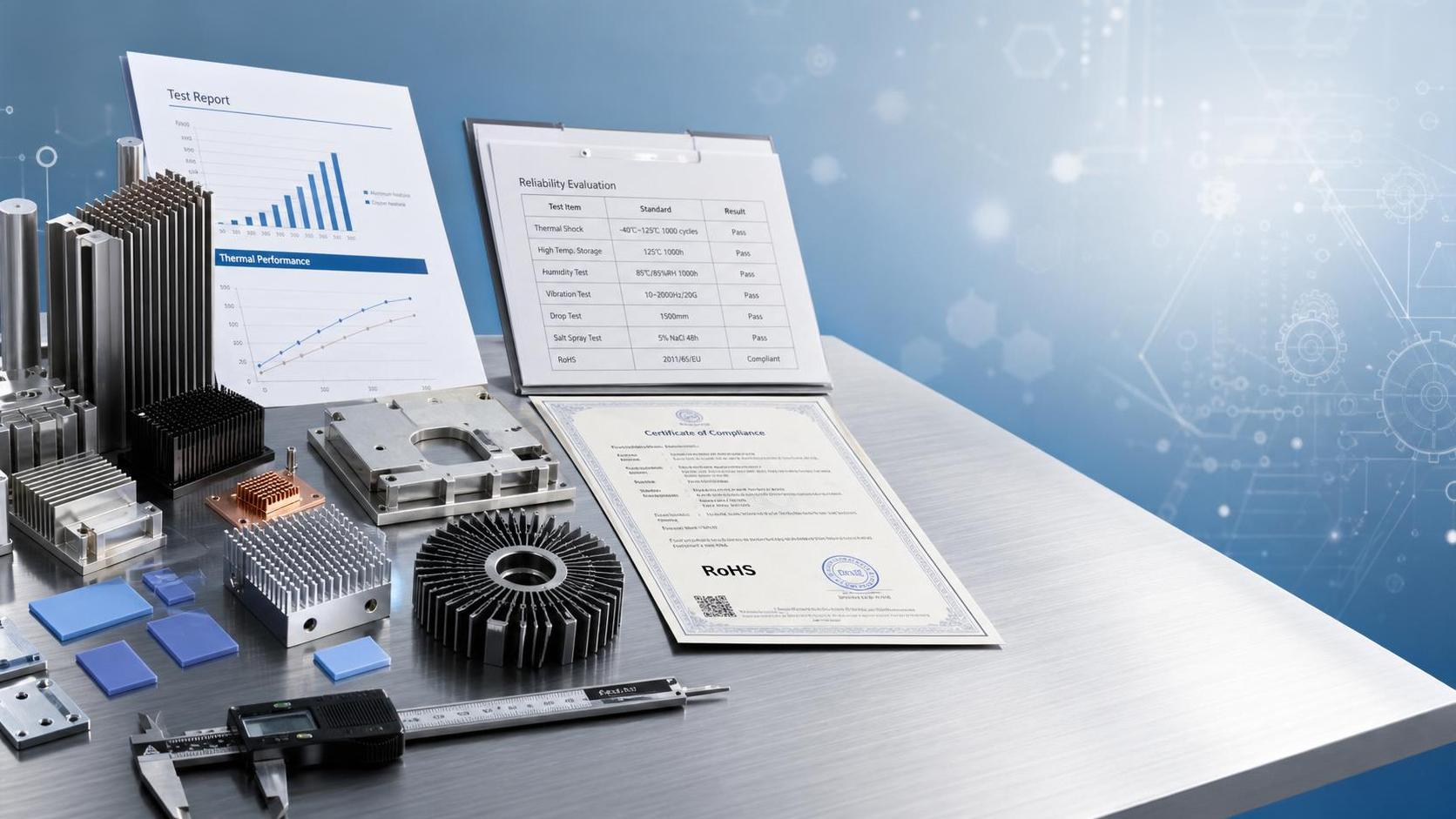
During thermal management procurement, ask suppliers for test evidence tied to real operating conditions.
Core data points to request
- Thermal conductivity under stated pressure conditions
- Thermal impedance stability over time
- Compression set or pump-out resistance
- Thermal cycling performance data
- Humidity, salt spray, or corrosion resistance where relevant
- Flammability and regulatory compliance records
A useful sourcing review also checks how the data was generated.
Test method, sample size, failure threshold, and lab independence all matter.
That is why independent benchmarking from organizations such as SiliconCore Metrics can strengthen thermal management procurement decisions with comparable technical evidence.
How to compare supplier quotes on equal terms
Many sourcing teams compare suppliers using incomplete price sheets.
That creates false savings because the offers are not technically equivalent.
For cleaner thermal management procurement analysis, normalize every quote first.
Once these variables are aligned, thermal management procurement becomes a business comparison instead of a guessing exercise.
A simple scorecard for cost versus reliability
One effective method is a weighted supplier scorecard.
It keeps thermal management procurement decisions consistent across teams and product lines.
Suggested weighting model
- 30% reliability and endurance data
- 25% total landed and lifecycle cost
- 15% compliance and documentation quality
- 15% process consistency and quality systems
- 15% supply stability and service responsiveness
The exact percentages can shift by application.
For high-power electronics, reliability may deserve a heavier share.
For less critical assemblies, cost may carry more weight.
The important point is consistency. Strong thermal management procurement depends on repeatable decision logic.
Common warning signs during supplier evaluation
A polished quote can still hide weak reliability.
More visible signals usually appear in the supporting details.
- Test reports without method disclosure
- Large performance claims with no aging data
- Frequent material substitutions without formal notice
- Inconsistent lead times across the same part family
- Weak traceability or limited lot-level documentation
- Compliance certificates that are outdated or incomplete
If two suppliers appear equal on price, these warning signs often decide the safer option.
In practice, disciplined thermal management procurement avoids preventable surprises by treating documentation quality as a performance indicator.
Why independent data matters in supplier selection
Supplier data is necessary, but independent validation adds confidence.
This matters even more when products support critical electronics, dense PCB layouts, or tight thermal margins.
SiliconCore Metrics helps close that gap through data-driven benchmarking across semiconductor and EMS supply chains.
Its independent whitepapers, compliance analysis, and manufacturing intelligence support clearer thermal management procurement decisions.
When technical claims are translated into standardized reports, cost and reliability become easier to compare on equal footing.
A practical thermal management procurement checklist
If a sourcing decision is approaching, use a short checklist before final award.
- Define the real thermal load and service environment
- Normalize supplier specifications and quote assumptions
- Review reliability evidence under relevant stress conditions
- Quantify lifecycle cost, not only purchase cost
- Check compliance, traceability, and change control systems
- Score suppliers using a weighted decision model
- Use independent benchmarks where claims appear difficult to compare
This process is not slow or theoretical.
It simply makes thermal management procurement more defensible, measurable, and aligned with long-term product performance.
The best buying decision is rarely the cheapest line item.
It is the option that holds thermal performance, limits failure exposure, and supports stable supply.
That is the real balance point between cost and reliability.
For any team refining thermal management procurement strategy, the next step is clear: compare less by promise, and more by verified evidence.
Recommended News
- Heat DissipationHow to prevent overheating in automotive PCB power distributionPrevent overheating in automotive PCB power distribution with practical tips on copper layout, thermal paths, and testing. Discover how to reduce hotspots and improve reliability.
- Heat DissipationCan heat spreading intelligence identify hot spots in PCB designs?Discover how heat spreading intelligence identifies PCB hot spots before fabrication. Learn to assess thermal models, validate predictions, and choose design changes that improve reliability.
- Heat DissipationWhich heat sink materials suit high-power electronics made in Germany?Heat sink materials Germany: compare aluminum, copper, graphite, and hybrid designs for high-power electronics. Find the right balance of thermal performance, weight, cost, and manufacturability.
- Heat DissipationHow to assess a graphite materials supplier's capability for thermal partsGraphite materials supplier assessment starts with more than machining. Discover how to evaluate thermal performance, purity, precision, cleanliness, traceability, and testing for reliable thermal parts.
- Heat DissipationHow to assess a heat dissipation supplier before placing an orderHeat dissipation supplier assessment guide: verify thermal performance, materials, process control, samples, capacity, and total risk before placing an order.
- Heat DissipationHow automotive PCB material selection affects thermal reliabilityAutomotive PCB material selection shapes thermal reliability. Explore CTE, Tg, moisture resistance, stack-up design, and proven qualification strategies for demanding vehicle electronics.