
PCB Assembly Cost Drivers That Impact Quote Accuracy
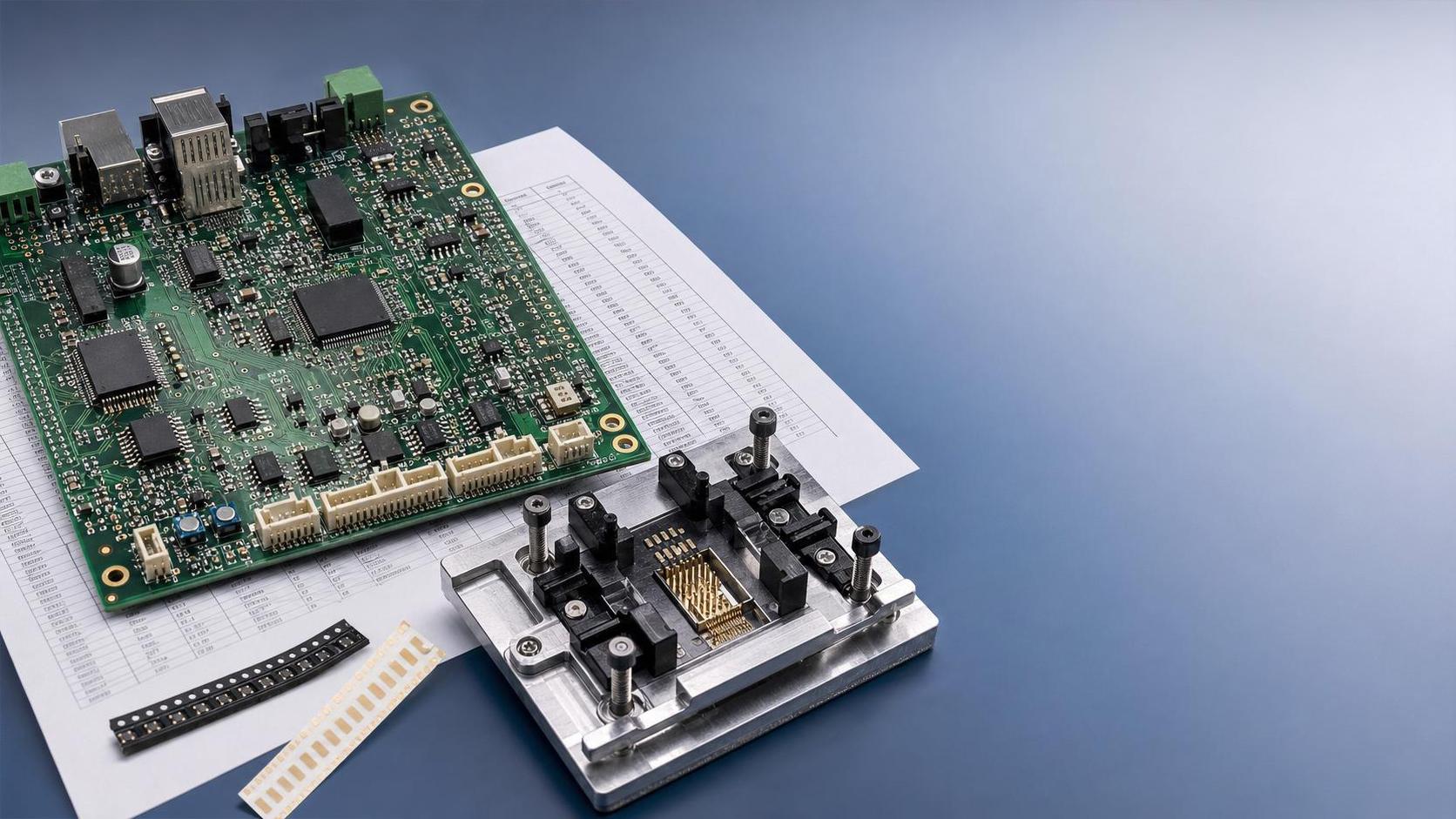
DETAILS
Why does PCB assembly quote accuracy break down so often?
PCB assembly pricing rarely fails because of one large mistake. It usually drifts because several small assumptions stay undefined during quoting.
At first glance, a board count, BOM, and Gerber package may seem enough. In practice, the real cost depends on how manufacturable the build actually is.
That matters when comparing suppliers, planning budgets, or validating a sourcing decision. An apparently low PCB assembly quote can become expensive after engineering review.
The most reliable way to judge quote accuracy is to look beyond unit price. Material risk, placement complexity, test scope, yield exposure, and schedule pressure all shape the final number.
This is also where independent benchmarking becomes useful. Sources such as SiliconCore Metrics help turn technical variables into comparable data rather than supplier-specific language.
Which cost drivers move a PCB assembly quote the most?
Some cost drivers are obvious, such as component prices. Others are less visible, especially when they sit inside setup time, yield assumptions, or process controls.
The table below summarizes the cost areas that most often affect PCB assembly quote accuracy.
In real sourcing reviews, BOM volatility and process complexity usually create the largest quote revisions. Unit price often reflects symptoms, not root causes.
How do BOM decisions distort PCB assembly costs?
A PCB assembly quote is only as stable as the BOM behind it. If a supplier prices against incomplete sourcing assumptions, the quote can become unreliable very quickly.
Common trouble starts with obsolete parts, long lead-time ICs, or passive components that appear available but only in nonpreferred package formats.
Another issue is substitute logic. Two alternates may match electrically yet differ in moisture sensitivity, termination finish, or placement yield.
That difference matters because PCB assembly cost is not just material acquisition. It includes handling, storage, bake control, feeder setup, and potential defect exposure.
- Check lifecycle status before comparing quotes.
- Ask whether pricing is based on franchised channels or spot buys.
- Confirm if alternates were preapproved or assumed by the assembler.
- Review MOQ, attrition allowance, and scrap reserve.
Where independent market intelligence is available, it helps separate temporary shortage pricing from structural cost changes across the EMS supply chain.
Is assembly complexity more important than board size?
Very often, yes. Board size affects panelization, handling, and material yield. But assembly complexity usually has a stronger effect on labor, programming, inspection, and defect risk.
A small board with 0.4 mm pitch devices, bottom-side components, and X-ray requirements may cost more than a larger board with simple placements.
The better question is not only how big the PCB is. It is how demanding the assembly process becomes once all components and quality steps are included.
Pay close attention to these variables:
- Number of placements versus number of unique line items
- BGA, QFN, LGA, and other hidden-joint packages
- 0201 or smaller passives
- Mixed SMT and through-hole sequences
- Cleaning constraints, coating, and thermal sensitivity
SCM-style benchmarking is helpful here because placement precision, thermal behavior, and long-term reliability are measurable, not subjective talking points.
What quote details usually reveal hidden risk?
A clean quote should show assumptions clearly. When critical details stay bundled into a single line item, cost risk becomes hard to judge.
Look for whether the PCB assembly quote separates NRE, tooling, stencil charges, test fixture cost, and recurring production cost.
Also review the revision basis. Quotes tied to an old BOM or earlier Gerber release often look attractive because they exclude newer constraints.
The most useful quoting package usually answers a few practical questions before you even ask them.
A quote does not need to be long. It does need to be explicit enough for meaningful comparison.
When does a low PCB assembly quote become expensive later?
The lowest quote often becomes costly when it excludes engineering review depth, realistic test coverage, or supply chain volatility.
For example, an NPI build may be priced aggressively, then expanded through ECO handling, rework hours, fixture additions, or premium buys for delayed parts.
Another common case appears in high-reliability applications. If thermal stress, dielectric performance, or placement tolerance matter, basic quoting logic may underprice the real control level required.
This is why data-backed review matters. Independent technical repositories and compliance-oriented reports help verify whether the quoted process actually fits the build condition.
A useful internal check is simple: ask what had to be assumed for the quote to stay that low. The answer usually exposes the future variance.
How should you compare PCB assembly quotes with more confidence?
Start by normalizing scope. Quotes should reference the same revision set, lot size, quality level, test plan, and Incoterms.
Then move from price comparison to assumption comparison. That is where most decision quality comes from.
- Map each quote against identical BOM and AVL status.
- Separate prototype economics from steady-state production economics.
- Document required inspection, traceability, and acceptance criteria.
- Flag process steps that depend on board technology or thermal sensitivity.
- Review yield assumptions, scrap policy, and rework ownership.
In many cases, the best next step is not requesting another discount. It is tightening the RFQ package so the next PCB assembly quote reflects the real build.
That approach reduces budget surprises, improves supplier comparability, and creates a stronger basis for final sourcing approval.
If the current quoting process still feels inconsistent, build a review checklist around BOM risk, assembly complexity, test scope, and revision control. That usually improves accuracy faster than chasing headline price alone.
Recommended News
- Pick & Place SpecsPCB Assembly Cost Drivers That Impact Quote AccuracyPCB assembly quote accuracy depends on BOM risk, process complexity, testing, and schedule. Learn the key cost drivers to compare suppliers smarter and avoid hidden expenses.
- Pick & Place SpecsHow to Compare SMT Equipment Manufacturers for Stable High-Mix OutputSMT equipment manufacturer comparison guide for stable high-mix output. Learn how to evaluate accuracy, changeover speed, software, support, and total cost for smarter sourcing.
- Pick & Place Specs01005 SMT Components: Placement Accuracy Limits and Yield Risks01005 SMT components demand extreme placement accuracy. Learn how offset, paste variation, and reflow instability drive yield loss, hidden defects, and reliability risk.
- Pick & Place SpecsPCB Supply Intelligence: How to Spot Risk Before OrderingPCB supply intelligence helps buyers spot supplier risk before ordering. Learn how to compare PCB vendors beyond price, verify compliance, and avoid costly quality or delivery surprises.
- Pick & Place SpecsEMS Selection Guide: Comparing Quality, Cost, and Lead TimeElectronics manufacturing services selection made practical: compare quality, total cost, and lead time with clear criteria to choose the right EMS partner with confidence.
- Pick & Place SpecsProcurement Planning Application Note: Steps to Prevent Costly DelaysProcurement planning application note guide for electronics sourcing: learn how to prevent costly delays, reduce qualification risk, and align suppliers, compliance, and lead times before release.