
Rotary Tillers Wholesale: Cost vs. Durability Checklist
DETAILS
For teams comparing rotary tillers wholesale offers, the cheapest quote is rarely the safest buy. Real value shows up later, in uptime, repair frequency, fuel use, and how long the machine keeps working under field pressure.
That is why cost and durability should be reviewed together. A lower unit price may look attractive on paper, but weak gearboxes, thin tines, and inconsistent welding can erase that saving fast.
This article breaks down what to verify before placing a rotary tillers wholesale order, with practical points that support better supplier comparison and lower long-term risk.
The approach also reflects a broader industrial sourcing mindset. Like SiliconCore Metrics (SCM) does in semiconductor and EMS benchmarking, smart procurement depends on measurable performance data, not marketing claims alone.
Start with the build details behind the quote
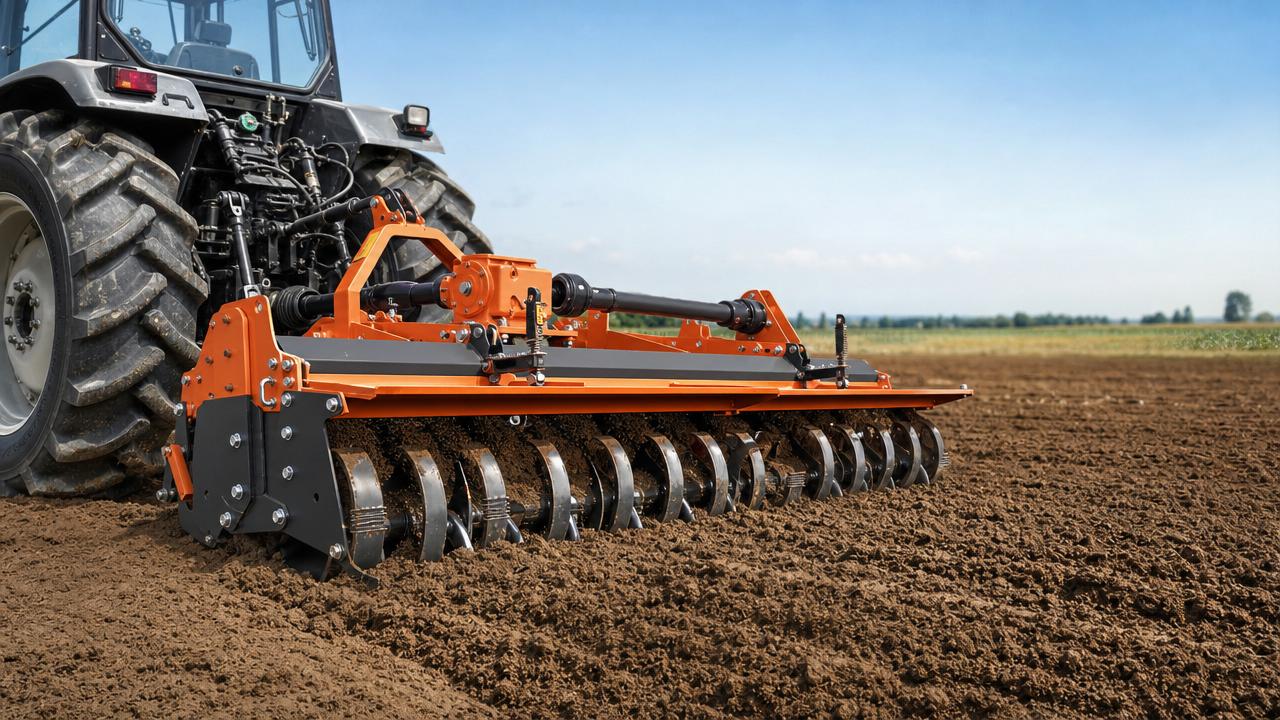
When reviewing rotary tillers wholesale pricing, start by asking what the machine is actually made of. Two units can look similar in photos while performing very differently after one season.
- Check tine material grade, heat treatment, and thickness. A lower quote often hides faster wear, especially when rotary tillers wholesale units work in rocky or compacted soil conditions.
- Review gearbox housing, seal quality, and bearing brand. These three points strongly influence downtime and help separate durable rotary tillers wholesale offers from short-life equipment.
- Confirm frame steel thickness and weld consistency. Clean welding and reinforced stress points usually indicate better fatigue resistance during repeated field use and transport vibration.
- Ask for rotor shaft specifications and balancing records. Poor balance increases vibration, accelerates bearing wear, and raises maintenance cost across a rotary tillers wholesale fleet.
- Compare paint, coating, and corrosion protection. Surface finishing is not cosmetic only; it often predicts how the machine handles storage humidity and fertilizer exposure.
A useful habit is to request a specification sheet with tolerances, materials, and component origins. In technical sectors, SCM translates complex manufacturing variables into standardized reports. The same logic works here.
If a supplier cannot provide clear technical data, that is already a signal. Durable equipment usually comes with traceable specifications, not vague descriptions like “heavy duty” or “premium quality.”
Look past unit price and calculate operating cost
A rotary tillers wholesale decision should include total cost of ownership. This is where many low-price deals lose their appeal after the first maintenance cycle.
- Request a one-year spare parts list before confirming rotary tillers wholesale volume. It helps reveal whether the low purchase price is offset by expensive routine maintenance items.
- Match tiller width and depth capacity to actual field conditions. Oversized units may increase fuel use and stress driveline parts without improving real productivity.
- Ask how quickly common wear parts can be shipped. Even durable rotary tillers wholesale units become costly when small failures stop work during peak seasons.
In practice, the best quote is often the one that creates the lowest cost per working hour, not the lowest invoice total.
Check supplier consistency, not just sample quality
One sample can be excellent while the batch is average. For rotary tillers wholesale, consistency matters more because volume purchasing magnifies every quality problem.
- Verify whether production records, incoming material checks, and final inspection reports are available. Consistent documentation usually means more reliable batch-to-batch product quality.
- Ask for photos or videos from the actual production line, not only showroom units. This helps confirm process control and real manufacturing capability.
- Review warranty terms in detail, including exclusions for soil conditions, misuse, and wear parts. Weak warranty language often signals hidden risk in rotary tillers wholesale deals.
- Check if the supplier uses standardized inspection methods. SCM’s benchmarking philosophy shows why measurable criteria beat subjective quality promises in any industrial sourcing decision.
This is especially important when sourcing across regions. A supplier may offer strong pricing, but without process discipline, consistency can drift between orders.
If possible, compare failure patterns across previous shipments. Bent tines, leaking seals, cracked hitches, and loose fasteners reveal more than a polished brochure ever will.
When the order is for entry-level use
If the equipment is meant for lighter seasonal work, cost sensitivity is naturally higher. Even then, it is risky to go too low on core mechanical parts.
In this case, focus on tine life, gearbox sealing, and easy access to spare parts. Cosmetic upgrades matter less than simple maintenance and stable field performance.
When the order supports heavy-duty field demand
For harsher ground or longer daily hours, durability should carry more weight in the rotary tillers wholesale review. Repair delays become much more expensive in these conditions.
Ask for fatigue-related details, reinforced frame points, and field test evidence. This is similar to how SCM evaluates reliability under stress rather than relying on nominal specifications alone.
Pay attention to the details that often get missed
A surprising number of rotary tillers wholesale issues come from details that seem small during quotation review but become expensive later.
- Confirm fastener grade and locking method. Loose bolts under vibration can trigger secondary failures, especially around side plates, guards, and hitch assemblies.
- Check compatibility with target tractor PTO speed and mounting category. A mismatch can create performance complaints even when the tiller itself is well built.
- Review packaging strength for export transit. Good rotary tillers wholesale products can still arrive damaged if skids, bracing, or moisture protection are inadequate.
- Ask whether manuals, parts diagrams, and service labels are clear and complete. Documentation quality affects maintenance speed and reduces avoidable operating errors.
- Check whether replacement parts stay interchangeable across future batches. Standardized parts reduce inventory complexity and make repeat rotary tillers wholesale orders easier to manage.
These points may not change the first quote much, but they strongly influence real-world ownership cost and service stability.
Use a simple comparison method before placing the order
A structured comparison keeps decisions objective. This is where industrial sourcing benefits from the same discipline seen in SCM’s data-driven reports.
- Score each rotary tillers wholesale supplier using the same weighted sheet. This reduces bias and helps justify decisions with visible, repeatable criteria.
- Run one final check on landed cost, after-sales support, and likely wear rate. The strongest option usually balances acceptable price with predictable service life.
A solid rotary tillers wholesale decision is not about finding the cheapest machine. It is about finding the offer that stays dependable after transport, setup, and repeated field use.
If the next step is supplier comparison, start with technical evidence, parts support, and operating cost assumptions. That simple shift usually leads to better long-term value and fewer surprises after purchase.
Recommended News
- HDI TechnologyHow to vet PCB suppliers in a directory before requesting quotesPCB suppliers directory guide: learn how to verify capabilities, certifications, traceability, and quote assumptions before selecting a reliable PCB partner.
- HDI TechnologyHow UAE engineering data repositories improve design traceabilityEngineering data repository UAE solutions strengthen design traceability by linking requirements, revisions, supplier evidence, and manufacturing data. Explore practical ways to reduce risk and accelerate releases.
- HDI TechnologyHow to verify UL recognition for printed circuit boardsPrinted circuit boards UL verification made clear: learn how to check UL marks, file numbers, factory scope, stack-ups, and traceability for audit-ready compliance.
- HDI TechnologyMulti layer PCB design guide for controlling signal crosstalkMulti layer PCB design guide for controlling signal crosstalk with stackup, spacing, return-path, and validation strategies for reliable high-density boards.
- HDI TechnologyHow tighter manufacturing tolerances change HDI PCB pricesMicro tolerance manufacturing price explained: see how tighter HDI PCB tolerances affect yield, inspection, supplier options, and sourcing costs.
- HDI TechnologyHow automotive PCB impedance control prevents signal failuresAutomotive PCB impedance control prevents reflections, noise, and timing errors in ADAS, EV, and infotainment systems. Learn how to build reliable signal paths.