
Relay switches with contact wear: repair or replace?
DETAILS
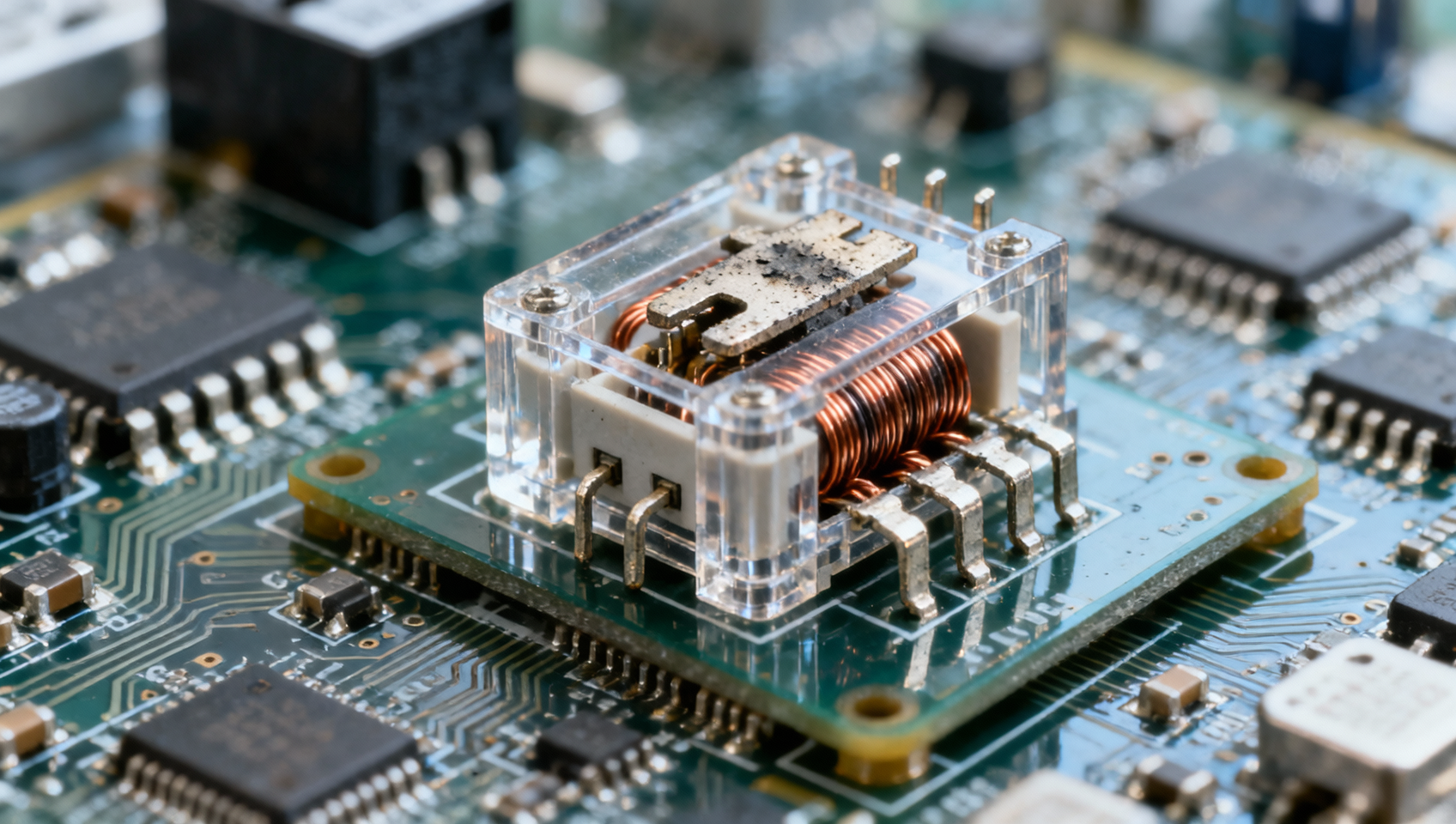
When relay switches begin to show contact wear, the decision to repair or replace can affect system reliability, maintenance cost, and long-term performance. For teams working with electrical relays, electronic parts, and broader electronic manufacturing processes, understanding failure signals is essential. This article examines practical evaluation factors, from wear patterns and safety risks to compatibility with PCB assembly, circuit board assembly, and related electronic solutions, helping engineers, buyers, and quality managers make informed choices.
In semiconductor tools, industrial controls, test fixtures, power distribution boards, and EMS-built assemblies, relay failure is rarely an isolated event. Contact wear can trigger voltage drop, heat rise, intermittent switching, and downstream component stress. For procurement teams and technical evaluators, the real question is not only whether a relay still works today, but whether it will remain stable through the next 10,000, 100,000, or 1,000,000 operating cycles expected by the application.
A repair decision may appear economical in the short term, especially where downtime costs are high or legacy equipment is difficult to redesign. However, in high-reliability environments tied to IPC-Class 3 expectations, compliance audits, or preventive maintenance schedules, replacement often reduces hidden risk. The right answer depends on contact condition, coil health, switching duty, board-level integration, and the total cost of field failure.
How contact wear develops and why it matters
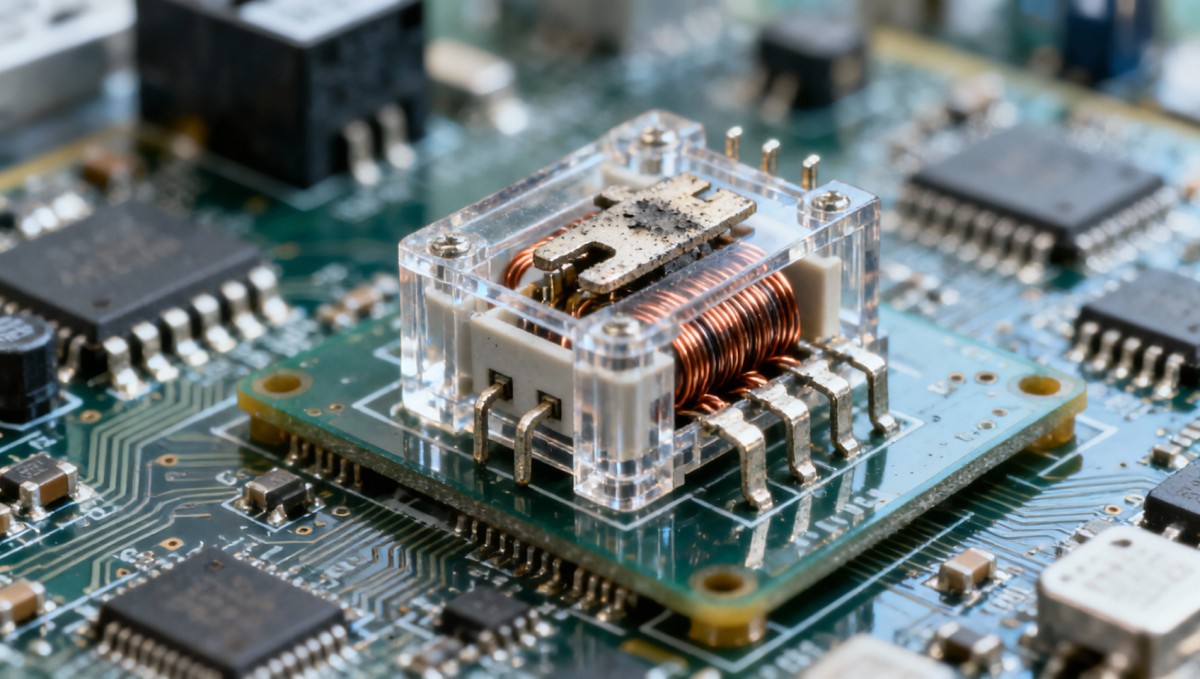
Relay contact wear is usually caused by a combination of arcing, oxidation, contamination, mechanical erosion, and load mismatch. Each switching event creates a small amount of stress. Under resistive
Recommended News
- RelaysHow to vet an industrial automation distributor for genuine relaysVet an industrial automation distributor with confidence. Learn how to verify relay authenticity, traceability, and quality controls to reduce downtime and sourcing risks.
- RelaysWhat Standard Tests Measure Relay Contact Resistance Degradation?Are there standard test methods for relay contact resistance degradation? Explore IEC standards, endurance testing, Kelvin measurement, and environmental validation for reliable relay sourcing.
- RelaysVietnam Tariff Shift Favors China-Origin Relays Until 2027Vietnam tariff shift favors China-origin relays until 2027. Learn how the 3% tax on non-ASEAN relay imports impacts sourcing, costs, and procurement strategy in Vietnam.
- RelaysJapan Enforces JIS C 5012:2026 Relay EMI Test RuleJapan Enforces JIS C 5012:2026 Relay EMI Test Rule: learn how the new 1.8-2.4 GHz radiated immunity and IEC 61000-4-3:2024 report requirements may impact relay compliance, cost, and Japan market access.
- RelaysWhen a Relay Switches Factory Becomes a Risk to Product QualityRelay switches factory risks can quietly damage product quality, safety, and reliability. Learn the warning signs, audit points, and how to choose a stable supplier.
- RelaysHow to Compare Relay Switches Factory Capabilities for Stable SupplyRelay switches factory comparison starts with capacity, quality control, traceability, and lead time stability. Learn how to identify reliable suppliers and reduce sourcing risk.