
Industrial Relay Selection: Key Factors to Consider
DETAILS
Introduction to Industrial Relay Selection
Selecting the right industrial relays is critical for ensuring reliable performance in demanding electronic applications. This guide examines key factors including EMI protection, thermal management with heat sinks, and compatibility with various wire connectors and electrical enclosures. Whether you're a procurement specialist or project engineer, understanding these technical parameters will help optimize your relay selection for industrial automation, power distribution, and control systems.
Electrical Specifications and Load Requirements
Industrial relays must match specific electrical parameters to ensure safe operation. The voltage rating should exceed the system's maximum by at least 20%, while current capacity must account for inrush currents that can reach 5-10 times the steady-state value. For motor control applications, consider relays with arc suppression technology to handle inductive loads up to 15A at 480VAC.
The table above illustrates how different load types demand specific relay characteristics. For mission-critical applications, opt for relays with a minimum mechanical life of 1 million operations and electrical life of 100,000 cycles at rated load.
Environmental and Mechanical Considerations
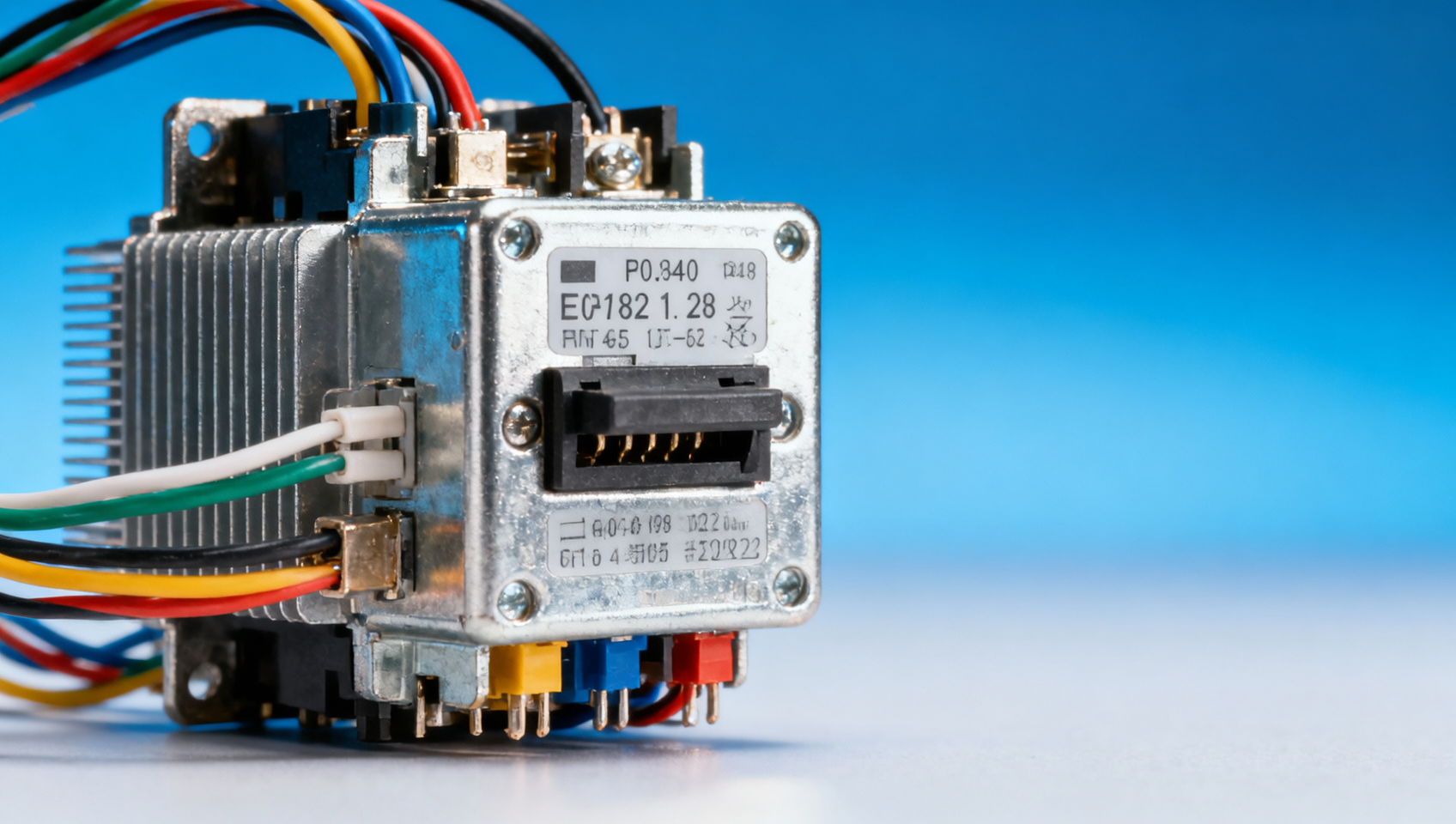
Industrial environments present unique challenges that affect relay performance. Temperature extremes ranging from -40°C to +85°C require relays with proper thermal management, often achieved through aluminum heat sinks with 15-25 fins. Vibration resistance up to 5-15G is essential for equipment mounted on moving machinery or vehicles.
Enclosure Protection Standards
Select relays with appropriate IP (Ingress Protection) ratings based on installation location:
- IP20: Basic protection for control cabinets
- IP65: Dust-tight and protected against water jets
- IP67: Suitable for temporary immersion (30 minutes at 1m depth)
Relay Contact Technologies Comparison
The contact material significantly impacts relay performance and lifespan. Below we compare three common technologies:
For harsh environments with sulfur or chlorine exposure, consider relays with gold-clad contacts that resist chemical corrosion while maintaining stable contact resistance below 20mΩ.
EMI Protection and Signal Integrity
Electromagnetic interference can disrupt sensitive control systems. Modern industrial relays incorporate several protection mechanisms:
- Varistor protection (150-400V clamping voltage)
- RC snubber circuits (0.1μF capacitor + 100Ω resistor)
- Suppression diodes for DC coil circuits
- Shielded coil designs reducing radiated emissions by 15-20dB
Certifications and Compliance Standards
Industrial relays must comply with regional and international standards to ensure safety and interoperability. Key certifications include:
- UL 508 (North America industrial control equipment)
- IEC 61810-1 (International electromechanical relays)
- EN 61810-1 (European Union requirements)
- RoHS compliance for hazardous substance restriction
Safety Margin Recommendations
When selecting relays for safety-critical applications, apply these derating factors:
- Continuous current: 80% of rated value
- Voltage: Minimum 125% of system maximum
- Temperature: 15°C below maximum rating
Relay Selection Process Checklist
Follow this systematic approach when specifying industrial relays:
- Define load characteristics (type, voltage, current, inrush)
- Determine environmental conditions (temperature, humidity, vibration)
- Select appropriate contact material and configuration
- Verify required certifications and agency approvals
- Evaluate mounting and connection requirements
- Consider maintenance and replacement factors
Conclusion and Next Steps
Proper industrial relay selection requires balancing electrical, mechanical, and environmental factors. By methodically evaluating each parameter against your application requirements, you can ensure reliable operation and minimize downtime. For complex applications or custom requirements, consult with relay manufacturers who can provide technical support and application engineering services.
To receive a customized relay selection guide for your specific application, contact our technical team for a comprehensive evaluation of your system requirements and operating conditions.
Recommended News
- RelaysHow to vet an industrial automation distributor for genuine relaysVet an industrial automation distributor with confidence. Learn how to verify relay authenticity, traceability, and quality controls to reduce downtime and sourcing risks.
- RelaysWhat Standard Tests Measure Relay Contact Resistance Degradation?Are there standard test methods for relay contact resistance degradation? Explore IEC standards, endurance testing, Kelvin measurement, and environmental validation for reliable relay sourcing.
- RelaysVietnam Tariff Shift Favors China-Origin Relays Until 2027Vietnam tariff shift favors China-origin relays until 2027. Learn how the 3% tax on non-ASEAN relay imports impacts sourcing, costs, and procurement strategy in Vietnam.
- RelaysJapan Enforces JIS C 5012:2026 Relay EMI Test RuleJapan Enforces JIS C 5012:2026 Relay EMI Test Rule: learn how the new 1.8-2.4 GHz radiated immunity and IEC 61000-4-3:2024 report requirements may impact relay compliance, cost, and Japan market access.
- RelaysWhen a Relay Switches Factory Becomes a Risk to Product QualityRelay switches factory risks can quietly damage product quality, safety, and reliability. Learn the warning signs, audit points, and how to choose a stable supplier.
- RelaysHow to Compare Relay Switches Factory Capabilities for Stable SupplyRelay switches factory comparison starts with capacity, quality control, traceability, and lead time stability. Learn how to identify reliable suppliers and reduce sourcing risk.