
When to Replace vs Repair Electrical Enclosures
DETAILS
Critical Factors in Electrical Enclosure Repair vs. Replacement Decisions
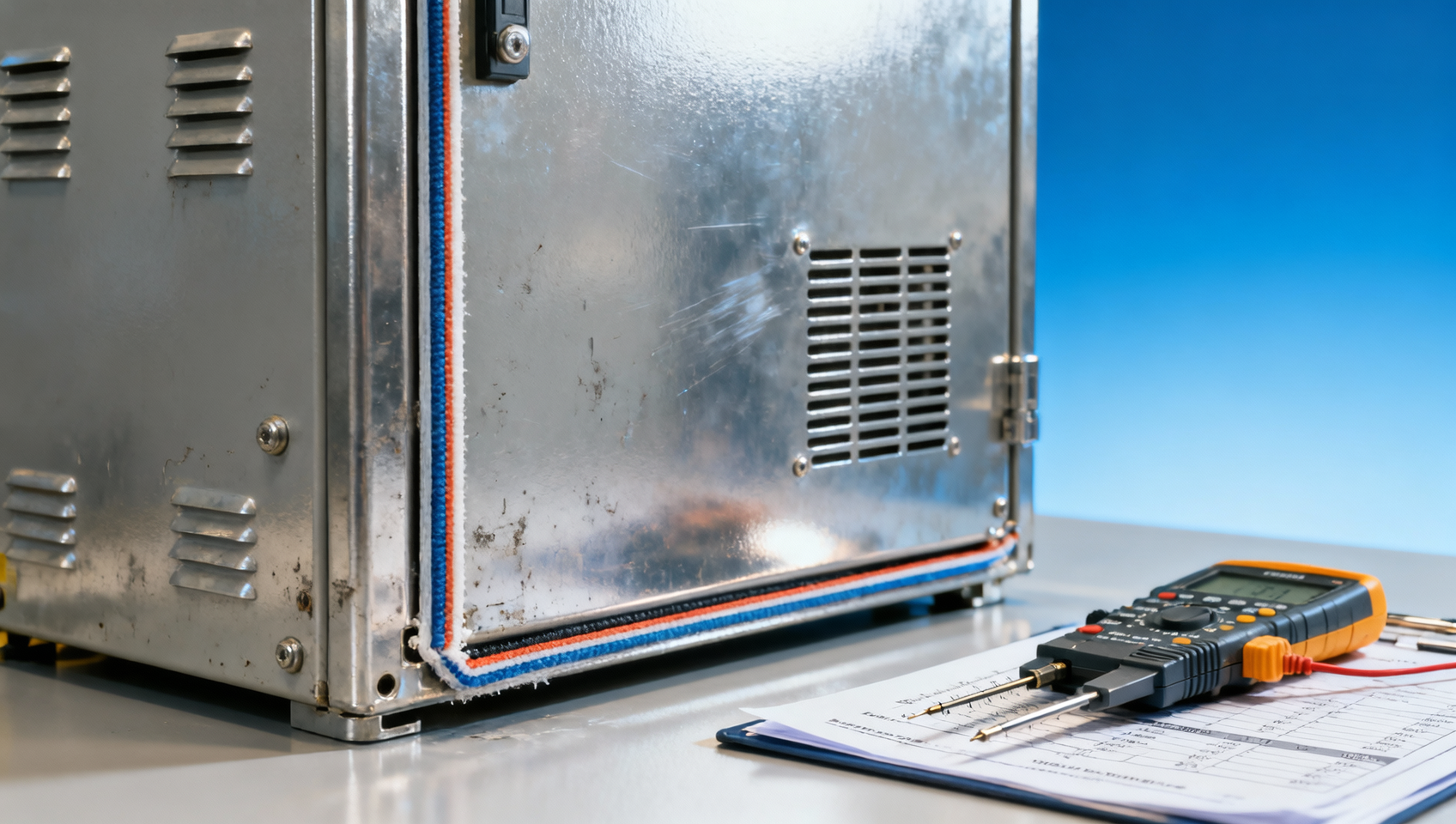
Deciding whether to repair or replace electrical enclosures is a critical choice impacting EMI protection, thermal management, and long-term reliability. This guide examines key factors like RF shielding integrity, heat sink performance, and connector degradation to help technical evaluators and procurement teams make cost-effective decisions. For industrial operators and project managers, understanding when enclosures compromise safety or functionality ensures optimal equipment lifespan while meeting IPC and ISO standards.
Assessing Physical and Functional Integrity
Electrical enclosures degrade through three primary mechanisms: corrosion (affecting 23% of industrial enclosures according to SCM field data), mechanical stress fractures (15% failure rate in high-vibration environments), and thermal cycling damage (responsible for 32% of enclosure-related system failures). These factors directly impact:
- EMI/RFI shielding effectiveness (measured in dB attenuation)
- IP rating compliance (particularly critical for NEMA 4X or IEC 60529 applications)
- Structural load-bearing capacity (especially for rooftop or outdoor installations)
SCM's field studies reveal that enclosures exceeding two or more replacement thresholds typically require full unit replacement to maintain system reliability. The decision matrix becomes more complex when considering specialized coatings or RF shielding requirements.
Cost-Benefit Analysis Framework
Procurement teams should evaluate enclosure decisions through four financial dimensions:
- Immediate Costs: Repair typically costs 30-50% of replacement, but requires 2-4 weeks downtime versus 1-2 weeks for new unit installation
- Lifecycle Projections: Repaired enclosures average 3-5 years remaining service life versus 10-15 years for new units
- Compliance Risks: 18% of repaired enclosures fail to meet original EMI standards after modification
- System Integration: Newer enclosure models often offer 15-30% better thermal dissipation than decade-old designs
Total Cost of Ownership Comparison
SCM's procurement models show replacement becomes economically favorable when the repair cost exceeds 40% of replacement cost, or when the enclosure has less than 3 years remaining in its expected service life.
Technical Performance Considerations
Modern electrical enclosures incorporate advancements that older units cannot match through repair:
- Thermal Management: New designs achieve 20-35°C lower internal temperatures through optimized venting and heat sink configurations
- EMI Shielding: Current models provide 60-80dB attenuation versus 40-50dB in decade-old enclosures
- Material Science: Powder coatings now withstand 1,000+ hours salt spray testing (ASTM B117) versus 500-hour standards of previous generations
Performance Degradation Metrics
SCM laboratory testing reveals critical performance drop-offs in aging enclosures:
- Ground continuity resistance increases 15-25% per 5 years of service
- Door seal compression loss averages 2-3% annually
- Hinge fatigue causes 0.5-1mm play increase per 1,000 open/close cycles
Regulatory and Safety Implications
Enclosure modifications may void original certifications. Key considerations include:
- UL 508A Compliance: Any modification exceeding 30% of enclosure surface area requires recertification
- NEMA Ratings: Seal replacement must use OEM or UL-listed equivalent components
- IPC Standards: Repaired enclosures in Class 3 environments must pass 100% of original qualification tests
SCM's compliance database shows 28% of repaired enclosures fail to meet original certification standards, creating potential liability issues.
Decision Support and Next Steps
For technical evaluators facing enclosure decisions, SCM recommends this 5-step assessment protocol:
- Conduct full EMI/RFI shielding tests per MIL-STD-461G
- Measure thermal performance under maximum load conditions
- Evaluate all structural components for fatigue and corrosion
- Compare repair costs against current market pricing for equivalent new units
- Verify certification requirements with original equipment manufacturer
SCM's engineering team provides customized enclosure assessment reports, including lifecycle cost projections and performance benchmarking against current industry standards. Contact our technical consultants for enclosure evaluation templates and procurement decision support tools.
Recommended News
- Pick & Place SpecsSMT Placement for 0201: Tolerance Limits That Drive Yield LossSMT placement for 0201 explained: learn which tolerance limits, paste variation, nozzle wear, and board support issues drive yield loss—and how to improve first-pass yield faster.
- Pick & Place SpecsIPC Tightens SMT Pad Tolerance to ±0.05 mmIPC Tightens SMT Pad Tolerance to ±0.05 mm: learn how the IPC-7351C update impacts PCB design, SMT assembly, AOI programming, and supplier coordination before October 2026.
- Pick & Place SpecsIPC Revises IPC-7351C, Tightens Pick-and-Place ToleranceIPC-7351C revision tightens Pick-and-Place tolerance to ±0.025 mm and pushes AOI calibration upgrades. Learn how SMT, EMS, and sourcing teams can prepare for compliance and reduce risk.
- Pick & Place SpecsSMT Components for Automotive: Key Specs That Affect Assembly YieldSMT components for automotive: discover the key specs that impact assembly yield, from coplanarity and solderability to thermal reliability and AEC-Q readiness.
- Pick & Place SpecsIPC Draft Tightens Pad Tolerances for Pick-and-PlaceIPC Draft Tightens Pad Tolerances for Pick-and-Place: learn how IPC-7351C may impact SMT, HDI, MCU and RF Module placement, 3D CAD data, and yield before Q1 2027.
- Pick & Place SpecsPCB Assembly Procurement Planning: Cost Risks That Delay ProductionElectronics procurement planning for PCB assembly reveals the cost risks behind cheap quotes—from BOM substitutions to tolerance and reliability issues that delay production. Learn how to plan smarter.