
Industrial Enclosure Fire Protection Standards
DETAILS
Understanding Industrial Enclosure Fire Protection Standards
In today's high-stakes industrial environments, robust fire protection standards for electrical enclosures are non-negotiable. This guide examines critical compliance requirements for industrial enclosures, RF shielding systems, and thermal management solutions that safeguard sensitive electronics. Whether you're evaluating EMI protection for control panels or specifying cooling solutions for power distribution units, understanding these fire safety protocols ensures operational continuity while protecting personnel and assets across semiconductor manufacturing, energy infrastructure, and mission-critical facilities.
Key Fire Protection Standards for Industrial Enclosures
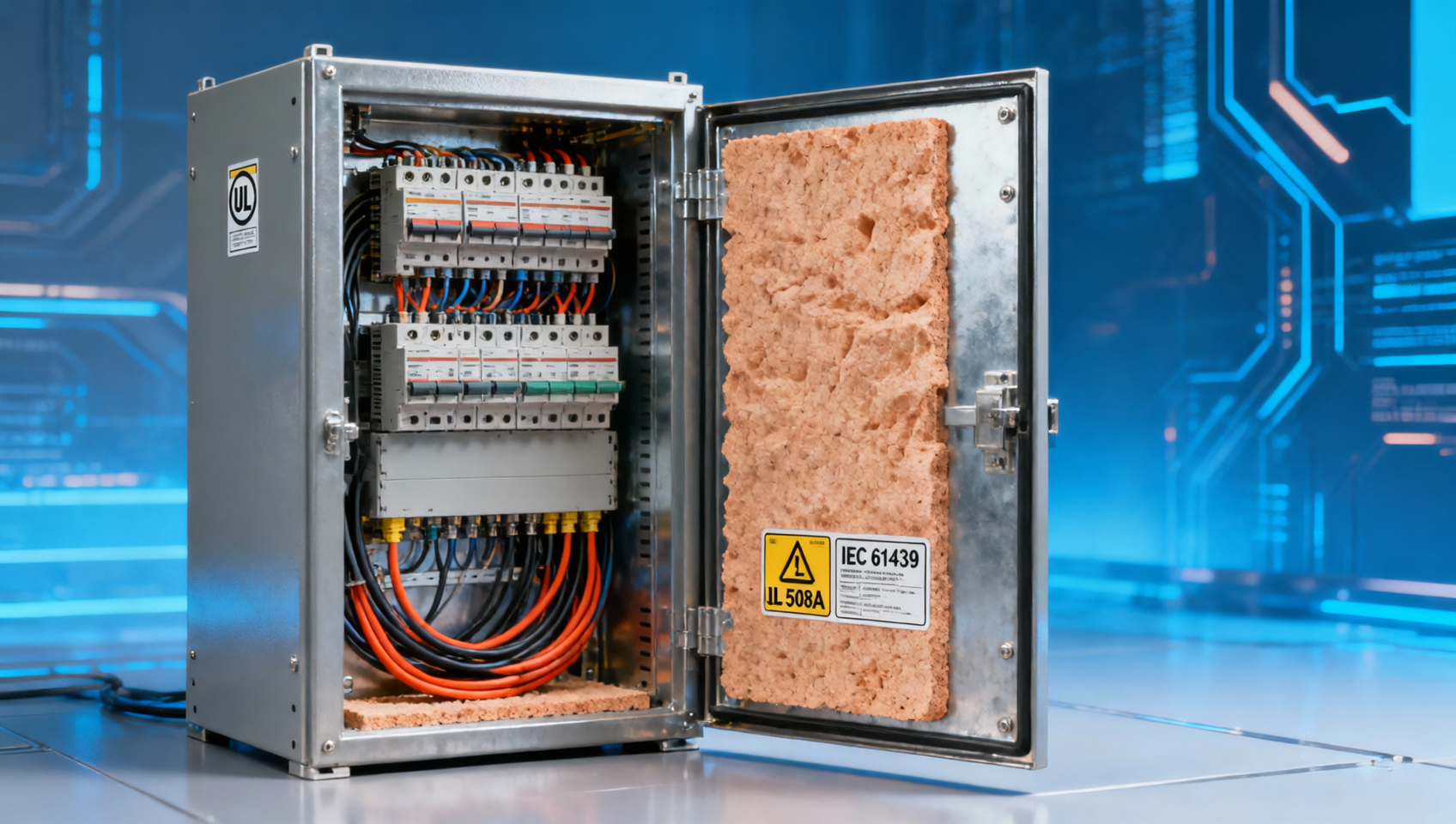
Industrial enclosures must meet stringent fire protection standards to prevent catastrophic failures. The most critical certifications include UL 508A for industrial control panels, IEC 61439 for low-voltage switchgear, and NFPA 70 (NEC) for electrical safety. These standards mandate flame-retardant materials, proper ventilation, and thermal management systems capable of withstanding temperatures up to 1,000°C for 30 minutes in worst-case scenarios.
For semiconductor cleanrooms and EMS facilities, additional requirements from SEMI S2 and IPC-9592B apply, particularly regarding toxic fume containment during thermal events. These standards typically require dual-layer protection with inner fire barriers rated for 2-hour containment and outer shells meeting NEMA 4X corrosion resistance.
Material Selection for Fire-Resistant Enclosures
Choosing appropriate materials is critical for achieving fire protection compliance. The most effective solutions combine:
- Powder-coated steel (1.5-3mm thickness) for structural integrity
- Ceramic-based thermal insulation (5-15mm layers)
- Halogen-free cable management systems
- Intumescent seals expanding at 200°C
Recent advancements include nanocomposite coatings that reduce heat transfer by 40-60% compared to traditional materials, while maintaining EMI shielding effectiveness above 80dB up to 10GHz. For RF-sensitive applications, aluminum enclosures with ceramic thermal breaks provide optimal balance between fire resistance (UL 94 V-0 rating) and signal integrity.
Thermal Management Integration
Effective fire prevention requires proactive thermal management. Modern industrial enclosures incorporate:
For mission-critical facilities, redundant cooling systems with N+1 configuration are recommended, featuring automatic failover within 500ms and thermal runaway detection at 10°C/minute rate changes. Integration with building management systems allows for predictive maintenance based on thermal imaging data and historical performance trends.
Implementation and Maintenance Best Practices
Proper installation and maintenance are equally important as design specifications. Key considerations include:
- Annual thermographic inspections (minimum 5 measurement points per enclosure)
- Quarterly cleaning of ventilation filters (MERV 13 or higher)
- Real-time monitoring of:
- Internal temperature (alarm threshold at 60°C)
- Humidity (maintain 30-60% RH)
- Particulate levels (ISO Class 8 or better)
For semiconductor fabs and EMS facilities, we recommend implementing a 3-tier protection strategy: primary containment (enclosure design), secondary suppression (clean agent systems), and tertiary protection (facility-wide sprinklers with 30-minute water resistance rating). This approach reduces fire-related downtime by 85-92% compared to single-layer solutions.
FAQs: Industrial Enclosure Fire Protection
How often should fire protection systems be tested?
NFPA 72 requires functional testing every 12 months for suppression systems and quarterly for detection systems. In high-risk environments like semiconductor manufacturing, semi-annual testing is recommended, with visual inspections every 30 days.
What's the cost impact of upgrading to fire-resistant enclosures?
Premium fire-rated enclosures typically cost 25-40% more than standard models, but reduce insurance premiums by 15-30% and prevent average losses of $250,000 per incident in electronics manufacturing facilities.
Can existing enclosures be retrofitted for better fire protection?
Yes, common retrofits include adding intumescent strips (costing $15-30 per linear foot), upgrading to ceramic-based thermal pads ($50-120 per enclosure), and installing smoke detection systems ($200-500 per unit). Full retrofits typically achieve 80-90% of new enclosure performance at 40-60% of replacement cost.
Conclusion and Next Steps
Implementing robust fire protection for industrial enclosures requires understanding material science, thermal dynamics, and evolving safety standards. For semiconductor and EMS facilities, the stakes are particularly high given the value of sensitive equipment and potential production interruptions.
To evaluate your current enclosure protection levels or specify new systems, consult with our engineering team for a comprehensive fire risk assessment. We provide customized solutions meeting IPC, UL, and SEMI standards while optimizing for your specific operational requirements and budget parameters.
Recommended News
- RelaysHow to vet an industrial automation distributor for genuine relaysVet an industrial automation distributor with confidence. Learn how to verify relay authenticity, traceability, and quality controls to reduce downtime and sourcing risks.
- RelaysWhat Standard Tests Measure Relay Contact Resistance Degradation?Are there standard test methods for relay contact resistance degradation? Explore IEC standards, endurance testing, Kelvin measurement, and environmental validation for reliable relay sourcing.
- RelaysVietnam Tariff Shift Favors China-Origin Relays Until 2027Vietnam tariff shift favors China-origin relays until 2027. Learn how the 3% tax on non-ASEAN relay imports impacts sourcing, costs, and procurement strategy in Vietnam.
- RelaysJapan Enforces JIS C 5012:2026 Relay EMI Test RuleJapan Enforces JIS C 5012:2026 Relay EMI Test Rule: learn how the new 1.8-2.4 GHz radiated immunity and IEC 61000-4-3:2024 report requirements may impact relay compliance, cost, and Japan market access.
- RelaysWhen a Relay Switches Factory Becomes a Risk to Product QualityRelay switches factory risks can quietly damage product quality, safety, and reliability. Learn the warning signs, audit points, and how to choose a stable supplier.
- RelaysHow to Compare Relay Switches Factory Capabilities for Stable SupplyRelay switches factory comparison starts with capacity, quality control, traceability, and lead time stability. Learn how to identify reliable suppliers and reduce sourcing risk.