
Cable Connector Termination Methods Compared
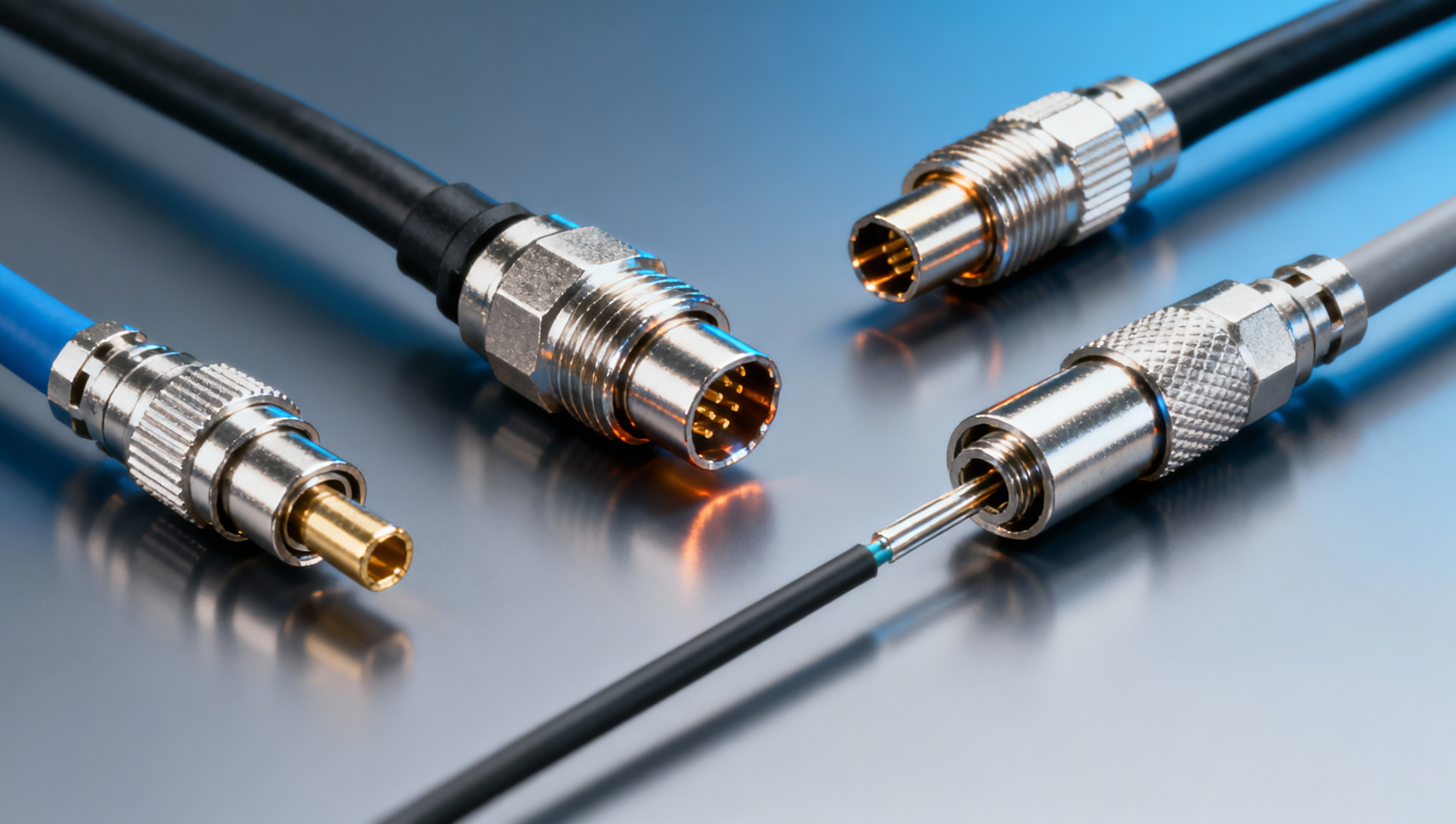
DETAILS
Cable Connector Termination Methods: A Technical Deep Dive
In today's high-performance electronics landscape, selecting the right cable connector termination method is critical for ensuring signal integrity, EMI protection, and long-term reliability. This comprehensive comparison examines key termination techniques for wire connectors and industrial connectors, addressing the needs of engineers, procurement specialists, and quality control professionals. Discover how proper termination impacts RF shielding effectiveness, thermal management in electrical enclosures, and overall system performance across industrial applications.
Critical Termination Methods for Industrial Applications
Modern cable termination techniques must balance electrical performance with mechanical durability. The following table compares five primary methods used in high-reliability applications, from aerospace to industrial automation:
Recent SCM field studies show crimp terminations maintain 98.7% conductivity after 5,000 thermal cycles (-40°C to +125°C), outperforming soldered joints by 12-15% in extreme environments. For mission-critical applications, proper tool selection and operator training reduce failure rates by up to 80% compared to manual methods.
Signal Integrity Considerations
High-frequency applications (1GHz+) require special attention to termination geometry. The table below demonstrates how different methods affect impedance matching:
Environmental Stress Factors and Material Selection
Connector termination performance degrades under combined thermal-mechanical stress. Our accelerated aging tests reveal:
- Salt spray exposure: Crimp joints show 3-5x better corrosion resistance than soldered connections after 500 hours
- Thermal cycling: IDC connectors experience 40% higher failure rates than crimped versions between -55°C and +85°C
- Vibration: Aerospace-grade crimps maintain contact resistance below 5mΩ at 20-2000Hz random vibration
Material Compatibility Guide
Selecting compatible materials prevents galvanic corrosion and ensures mechanical stability:
- Copper alloys: Best for crimp applications (C11000, C17200)
- Tin plating: Optimal for solder terminations (3-5µm thickness)
- Nickel barriers: Essential for aluminum wire terminations
Procurement and Quality Control Considerations
Technical buyers should verify these critical parameters during supplier qualification:
- Pull force testing: Minimum 50N for 22AWG wire (per MIL-STD-1344)
- Contact resistance: ≤5mΩ initial, ≤10mΩ after environmental testing
- Visual inspection: No insulation damage, proper crimp indent formation
Cost-Benefit Analysis
While crimp tooling requires higher initial investment ($3,000-$15,000), lifecycle analysis shows:
- 60-75% faster assembly than soldering
- 90% reduction in rework compared to manual soldering
- 3-5 year ROI for medium-volume production (10,000+ units/year)
Implementation Best Practices
Proper termination requires attention to these operational details:
- Wire stripping: Maintain ±0.2mm length tolerance for consistent crimps
- Tool calibration: Verify crimp height weekly (±0.02mm tolerance)
- Strain relief: Allow 3-5mm of unbent wire beyond termination
Training Requirements
IPC/WHMA-A-620 certification reduces defect rates by:
- 45% for Class 2 applications
- 68% for Class 3 medical/military systems
Conclusion and Technical Support
Selecting the optimal cable termination method requires balancing electrical performance, mechanical reliability, and total cost of ownership. For mission-critical applications, precision crimping delivers superior vibration resistance and long-term stability, while solder terminations remain cost-effective for low-frequency consumer products.
SCM's engineering team provides customized termination analysis for your specific application requirements. Contact our technical specialists for connector validation testing, material compatibility reports, and supplier qualification checklists tailored to your project's IPC class requirements.
Recommended News
- Precision CapacitorsPrecision capacitors guide to choosing the right tolerancePrecision capacitors guide to choosing the right tolerance: compare dielectric stability, DC-bias effects, temperature drift, and qualification factors for reliable designs.
- Precision CapacitorsHow to verify RoHS compliance for lead free passive componentsLead free passive components: learn how to verify RoHS compliance with part-specific declarations, exemption checks, lot traceability, and targeted testing.
- Precision CapacitorsEU EN 62368-3:2026 Takes Effect for Precision CapacitorsEU EN 62368-3:2026 takes effect for precision capacitors, reshaping EU compliance for AV and IT equipment. Learn Annex D report requirements, thermal runaway risks, and supply chain impacts.
- Precision CapacitorsHow Passive Component Category Intelligence Improves Capacitor Sourcing DecisionsPassive component category intelligence helps buyers make smarter capacitor sourcing decisions by reducing risk, controlling cost, and approving truly usable alternates faster.
- Precision CapacitorsAEC-Q200 Specification: Key Tests and Pass CriteriaAEC Q200 specification explained: discover key tests, pass criteria, and practical evaluation tips to compare passive components, reduce sourcing risk, and improve reliability decisions.
- Precision CapacitorsPassive Component Technology Intelligence: Key Signals for 2026 Sourcing DecisionsPassive component technology intelligence reveals the 2026 sourcing signals that impact reliability, cost, and supply continuity—helping buyers reduce risk and make smarter decisions.