
Industrial Enclosure Accessories You Might Need
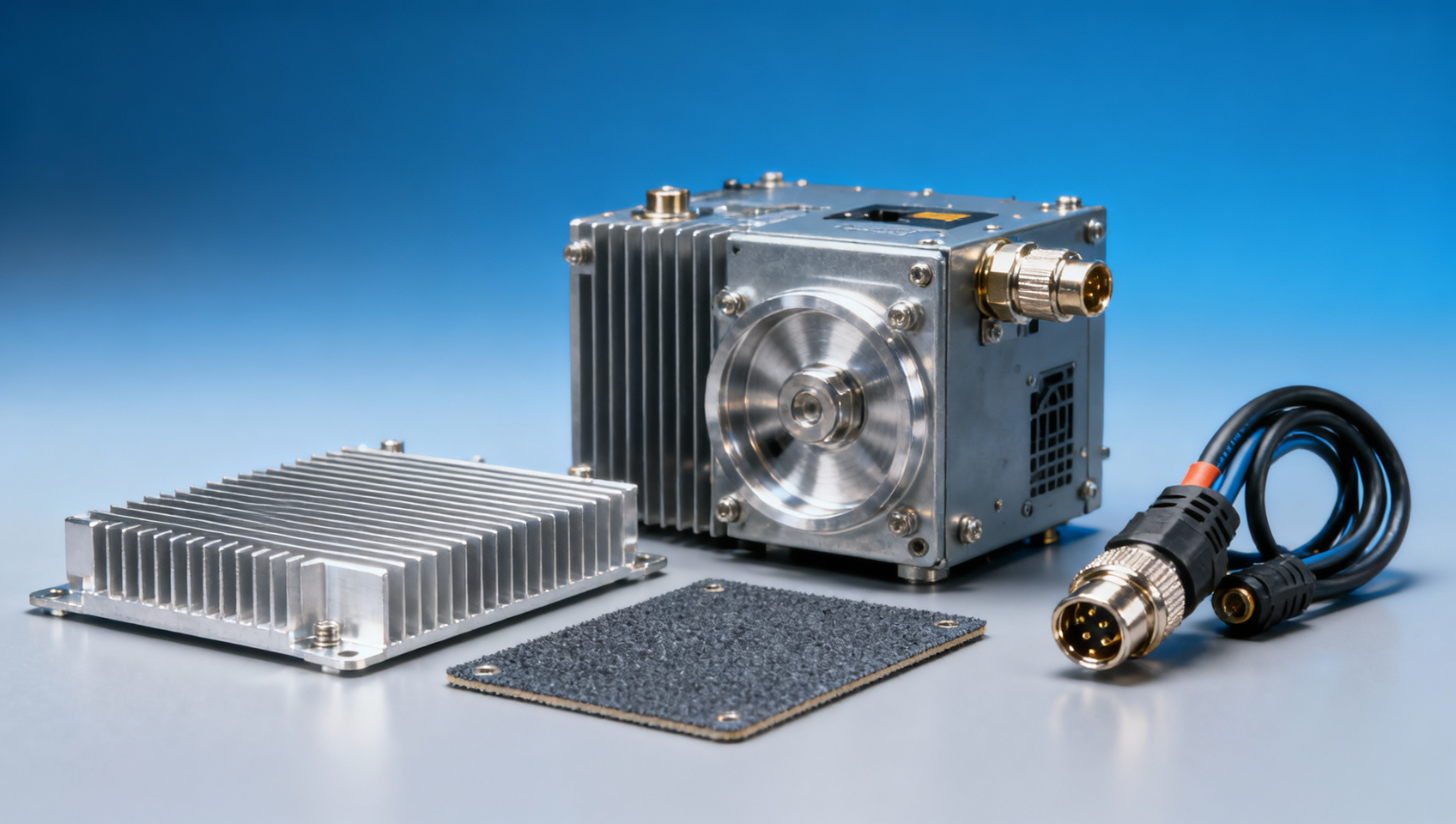
DETAILS
Essential Industrial Enclosure Accessories for Optimal Performance
When selecting industrial enclosure accessories for your electronic systems, proper RF shielding, EMI protection, and thermal management are critical for performance and reliability. From heat sinks and cooling solutions to wire connectors and relay switches, the right components ensure optimal operation in demanding environments. This guide explores essential electronic shielding and protective enclosure accessories that engineers, procurement specialists, and project managers need to consider for industrial applications.
1. Thermal Management Solutions for Industrial Enclosures
Effective thermal management is crucial for maintaining optimal operating temperatures in industrial enclosures. Excessive heat can reduce component lifespan by up to 50% and increase failure rates by 30-40% in high-temperature environments.
Key Thermal Accessories
Modern industrial systems require a combination of passive and active cooling solutions:
For optimal thermal performance, engineers should consider the ambient temperature range (typically -40°C to +85°C for industrial applications) and calculate the required thermal resistance (θja) based on component power dissipation.
2. EMI/RFI Shielding Components
Electromagnetic interference (EMI) and radio frequency interference (RFI) can disrupt sensitive electronic systems, with industrial environments typically requiring shielding effectiveness of 60-100 dB across the 30 MHz to 1 GHz frequency range.
Critical Shielding Accessories
- Conductive gaskets (silver-coated copper or nickel-filled elastomers)
- EMI shielding tapes (copper or aluminum foil with conductive adhesive)
- Ferrite beads and chokes (for cable suppression)
- Shielded window panels (for displays and HMI interfaces)
- EMI vent panels (for airflow with RF attenuation)
Proper shielding requires attention to enclosure seam design, with recommended gap dimensions below λ/20 (where λ is the wavelength of the highest frequency of concern).
3. Power and Signal Connectivity Solutions
Industrial enclosures require robust connectivity solutions that maintain performance in harsh conditions. Vibration resistance up to 5-15G and IP ratings from IP54 to IP69K are common requirements.
For high-voltage applications (600V+), proper creepage and clearance distances must be maintained according to IEC 60664-1 standards, typically 5-8mm for 600V systems in pollution degree 2 environments.
4. Enclosure Mounting and Structural Accessories
Proper mounting and structural support are essential for industrial enclosures, which may need to withstand seismic activity (up to Zone 4 requirements) or high vibration environments (5-2000Hz frequency range).
Key Structural Components
- Vibration-dampening mounts (natural frequency typically 5-15Hz)
- Seismic restraint kits (rated for 0.5-1.0G lateral forces)
- Adjustable leveling feet (5-25mm height adjustment range)
- Panel reinforcement brackets (for 19" rack installations)
- Cable management systems (bend radius >8x cable diameter)
Wall-mounted enclosures typically require support for 50-200kg loads, with mounting hardware rated for at least 4x the anticipated static load.
5. Environmental Protection and Sealing
Industrial environments demand protection against dust, moisture, and chemical exposure. NEMA 4X or IP66 rated enclosures are common for outdoor or washdown applications.
Essential Sealing Components
Effective environmental sealing requires multiple protection strategies:
- EPDM or silicone gaskets (for door seals, -40°C to +120°C operation)
- Cable gland kits (brass or stainless steel, IP68 rated)
- Desiccant breathers (for humidity control in sealed enclosures)
- Conformal coatings (UL94 V-0 flame retardant)
- Corrosion-resistant hardware (316 stainless steel or plated steel)
For chemical resistance, fluoropolymer-based seals (PTFE or FKM) are recommended when exposed to oils, solvents, or acidic/alkaline solutions.
6. Human-Machine Interface (HMI) Accessories
Modern industrial enclosures increasingly incorporate interactive elements, with touchscreen displays now representing 35-45% of new HMI installations in industrial automation.
Key HMI Components
- IP65-rated industrial monitors (typically 7-22" diagonal)
- Projected capacitive touchscreens (supporting gloved operation)
- Emergency stop buttons (60mm mushroom head, IEC 60947-5-5)
- Status indicator lights (LED, 24-230V AC/DC)
- Keylock switches (10,000+ cycle life)
HMI components should be rated for at least 1 million touch cycles and support operation in -30°C to +70°C environments for most industrial applications.
7. Maintenance and Service Accessories
Proper maintenance planning can reduce enclosure-related downtime by 20-30%, making service-friendly accessories a critical consideration.
Essential Service Components
- Tool-less access panels (for frequent service points)
- Test point terminals (for voltage/current measurement)
- Labeling systems (UL 969 compliant for permanent identification)
- Internal lighting (20-50 lux minimum for service areas)
- Grounding studs (for safe discharge of stored energy)
Service clearances should allow at least 600mm working space in front of electrical components, per NFPA 70E requirements.
Conclusion and Next Steps
Selecting the right industrial enclosure accessories requires careful consideration of thermal, EMI, mechanical, and environmental requirements. By implementing the appropriate combination of components discussed in this guide, engineers and procurement specialists can ensure reliable operation in even the most demanding industrial environments.
For customized recommendations based on your specific application requirements, contact our technical team for a comprehensive enclosure accessory assessment. Our experts can help you optimize your system for performance, reliability, and total cost of ownership.
- EMS
- thermal management
- thermal interface materials
- thermal management solutions
- power electronics
- industrial automation
- relay switches
- connectors
- wire connectors
- industrial enclosures
- cooling solutions
- heat sinks
- EMI shielding
- electromagnetic interference
- EMI protection
- RF shielding
- electronic shielding
Recommended News
- Precision CapacitorsPrecision capacitors guide to choosing the right tolerancePrecision capacitors guide to choosing the right tolerance: compare dielectric stability, DC-bias effects, temperature drift, and qualification factors for reliable designs.
- Precision CapacitorsHow to verify RoHS compliance for lead free passive componentsLead free passive components: learn how to verify RoHS compliance with part-specific declarations, exemption checks, lot traceability, and targeted testing.
- Precision CapacitorsEU EN 62368-3:2026 Takes Effect for Precision CapacitorsEU EN 62368-3:2026 takes effect for precision capacitors, reshaping EU compliance for AV and IT equipment. Learn Annex D report requirements, thermal runaway risks, and supply chain impacts.
- Precision CapacitorsHow Passive Component Category Intelligence Improves Capacitor Sourcing DecisionsPassive component category intelligence helps buyers make smarter capacitor sourcing decisions by reducing risk, controlling cost, and approving truly usable alternates faster.
- Precision CapacitorsAEC-Q200 Specification: Key Tests and Pass CriteriaAEC Q200 specification explained: discover key tests, pass criteria, and practical evaluation tips to compare passive components, reduce sourcing risk, and improve reliability decisions.
- Precision CapacitorsPassive Component Technology Intelligence: Key Signals for 2026 Sourcing DecisionsPassive component technology intelligence reveals the 2026 sourcing signals that impact reliability, cost, and supply continuity—helping buyers reduce risk and make smarter decisions.