
Electrical Enclosure IP Ratings Explained
DETAILS
Understanding IP Ratings: The Foundation of Electrical Enclosure Selection
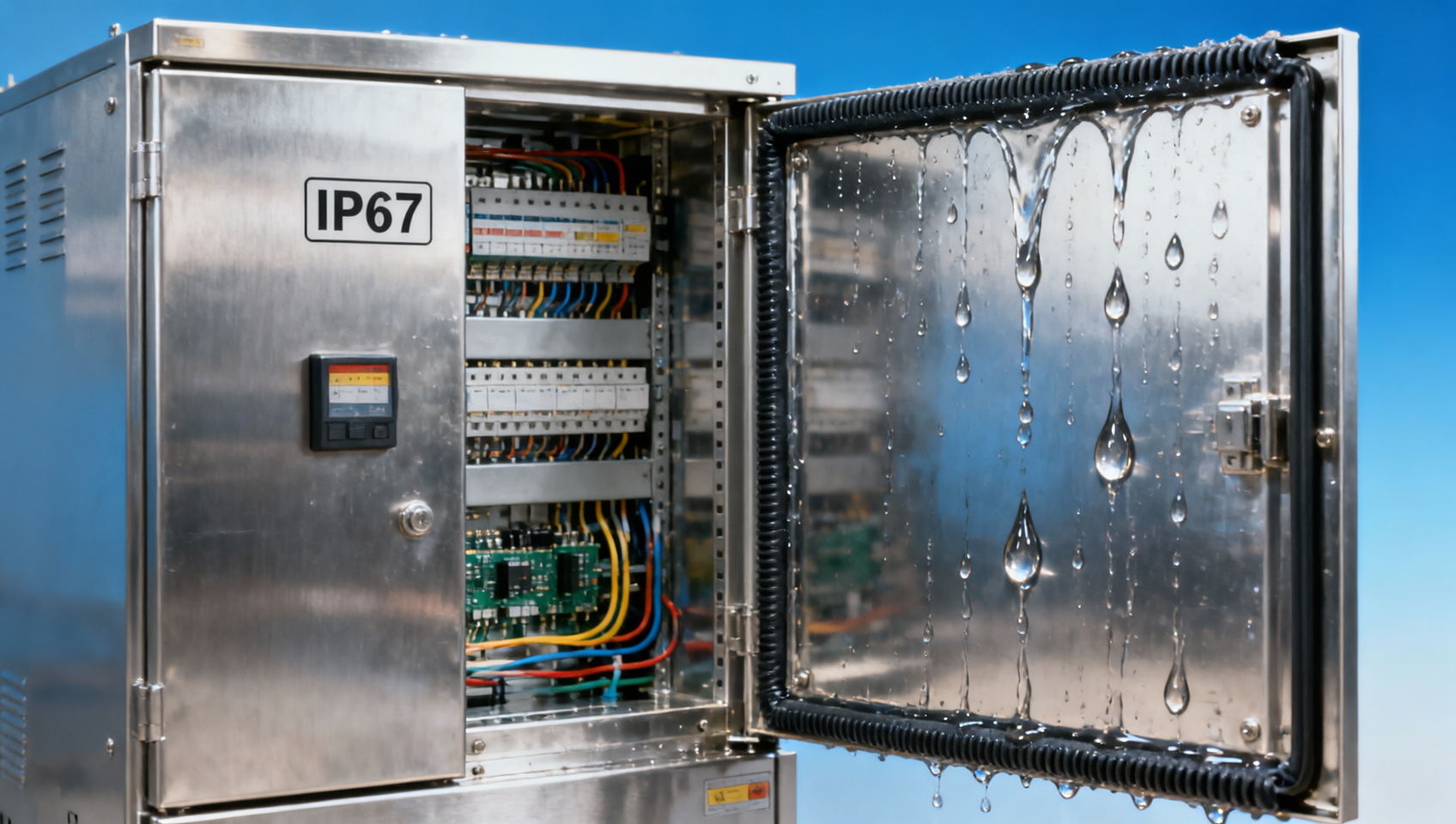
Understanding IP ratings for electrical enclosures is critical for engineers, procurement specialists, and facility managers working with electronic shielding, EMI protection, and thermal management solutions. This guide deciphers enclosure classification standards to help technical evaluators and decision-makers select optimal protective enclosures for industrial applications—from RF shielding requirements to cooling solutions—ensuring compliance, safety, and long-term reliability across your operations.
Decoding the IP Rating System
The Ingress Protection (IP) rating system, defined by international standard IEC 60529, classifies electrical enclosures based on their resistance to solid particles and liquids. The two-digit code (e.g., IP65) provides immediate insight into protection levels:
For mission-critical applications in semiconductor manufacturing or medical electronics, IP66-rated enclosures are typically the baseline requirement, providing complete dust protection and resistance to powerful water jets.
Specialized IP Ratings for Extreme Environments
Beyond standard ratings, certain industrial applications demand specialized protection:
- IP69K: Required for food processing or pharmaceutical applications where steam cleaning occurs
- IP67 with additional corrosion resistance: Essential for offshore oil rigs or marine applications
- IP54 with EMI shielding: Critical for military communications equipment
Application-Specific IP Rating Requirements
Selecting the wrong IP rating can lead to equipment failure, safety hazards, and compliance violations. The following table outlines typical requirements across industries:
In automotive electronics, IP6K9K ratings are becoming standard for components exposed to road spray and cleaning chemicals, with testing including 80°C water jets at 8-10 MPa pressure.
Testing and Certification Considerations
IP rating certification involves rigorous testing by accredited laboratories. Key testing parameters include:
- Dust chamber tests lasting 2-8 hours for IP5X/IP6X ratings
- Water immersion at 1m depth for 30 minutes (IP67)
- Continuous immersion beyond 1m (IP68)
- High-pressure (100 bar) steam cleaning simulations (IP69K)
Common Certification Pitfalls
Over 40% of enclosure failures stem from misunderstanding test conditions:
- IP67 doesn't guarantee protection against high-pressure cleaning
- IP65 enclosures may fail when exposed to condensation cycles
- Temperature cycling (-40°C to +85°C) can compromise gasket integrity
Material Selection for Optimal IP Performance
The enclosure material significantly impacts IP rating longevity. Common materials and their IP performance characteristics include:
For semiconductor cleanrooms, stainless steel enclosures with electropolished surfaces (Ra ≤ 0.5 μm) maintain IP ratings while minimizing particulate generation.
Frequently Asked Questions
How often should IP-rated enclosures be tested?
Annual testing is recommended for critical applications, with visual inspections every 3-6 months. Gaskets typically require replacement every 3-5 years depending on environmental stress.
Can IP ratings be upgraded after installation?
Limited upgrades are possible through aftermarket sealing kits (typically improving by one IP level), but original certification remains unchanged. Major upgrades require complete enclosure replacement.
What's the cost difference between IP65 and IP67 enclosures?
IP67 enclosures typically cost 20-35% more than IP65 equivalents due to enhanced sealing requirements and more rigorous testing protocols.
Conclusion and Next Steps
Proper IP rating selection requires balancing protection needs, environmental factors, and total cost of ownership. For mission-critical applications in semiconductor, medical, or defense sectors, investing in higher IP ratings with certified materials pays long-term dividends in reliability and compliance.
Contact our technical team for a customized enclosure assessment based on your specific environmental challenges and regulatory requirements. Our engineers can help you navigate IP rating selection while optimizing for thermal management, EMI shielding, and maintenance accessibility.
Recommended News
- ConnectorsHow to compare connector suppliers when quoted prices differSupplier comparison price guide for connector sourcing: compare technical fit, landed cost, quality, lead times, and supplier risk to make confident purchasing decisions.
- ConnectorsHow to assess connector quality when sourcing electronic components in SingaporeElectronic components Singapore sourcing guide: assess connector quality, traceability, plating, mechanical reliability, and supplier controls to reduce costly failures.
- ConnectorsHow to prevent connector corrosion in aquaculture installationsAquaculture installations need reliable connectors. Discover practical ways to prevent corrosion with smart sealing, material selection, cable routing, and maintenance.
- ConnectorsHow to select automotive connector systems for high-vibration environmentsAutomotive connector systems for high-vibration environments: learn how to evaluate contact stability, sealing, locking, harness support, and qualification evidence.
- ConnectorsWhen should you source from a connector systems wholesaler?connector systems wholesaler: learn when wholesale sourcing reduces supply risk, controls total cost, and protects production with qualified, reliable availability.
- ConnectorsHow to select connector systems for telecom exposed to vibrationConnector systems for telecom exposed to vibration demand more than basic specs. Learn how to protect signal integrity, retention, and reliability with smarter selection criteria.