
Electrical Enclosure Material Selection Guide
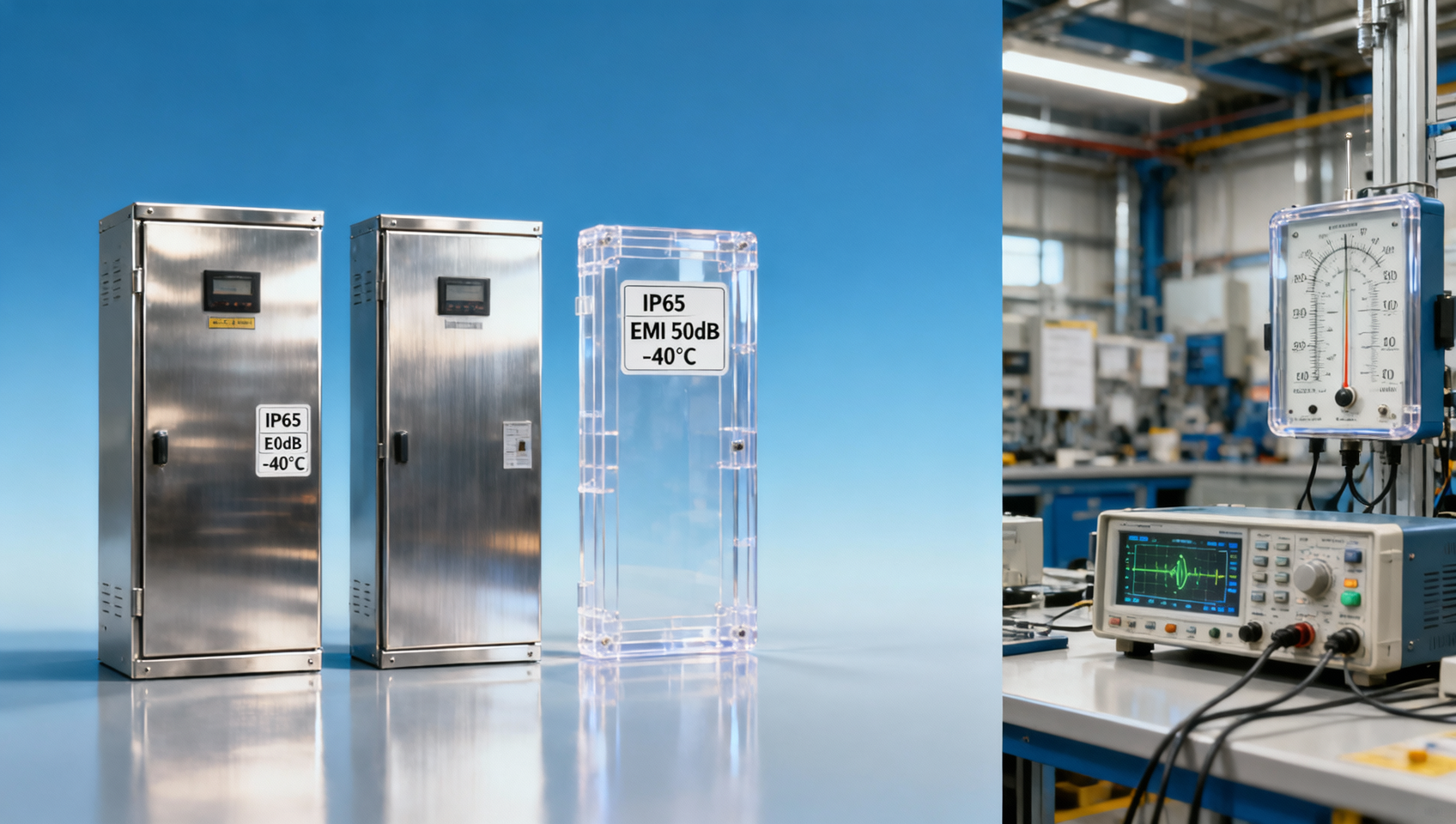
DETAILS
Key Considerations for Electrical Enclosure Material Selection
Selecting the optimal electrical enclosure material requires balancing 12+ technical and commercial factors. From EMI shielding effectiveness to total cost of ownership, procurement teams must evaluate materials against specific application requirements. The following parameters represent critical decision points for industrial applications:
As shown in the comparison table, metallic enclosures typically provide 3-6× better EMI shielding than polymer alternatives. However, aluminum's superior thermal conductivity makes it ideal for high-power applications exceeding 5kW heat dissipation.
Environmental Stress Factors
Industrial environments present 7 primary stress factors that impact material selection:
- Chemical exposure (acids, solvents, oils)
- UV radiation (outdoor applications)
- Temperature cycling (-40°C to +85°C)
- Mechanical impact (IK08-IK10 ratings)
- Humidity (85-100% RH)
- Salt spray (coastal/marine applications)
- Vibration (5-2000Hz frequency range)
Material-Specific Performance Characteristics
Understanding the intrinsic properties of common enclosure materials enables engineers to match specifications with operational requirements. The following analysis covers 5 major material categories:
Metallic Enclosures
Stainless steel (304/316 grades) offers superior corrosion resistance with 2-3× the lifespan of carbon steel in harsh environments. Typical applications include:
- Food processing (meets FDA/NSF standards)
- Pharmaceutical cleanrooms
- Offshore oil/gas installations
Aluminum alloys (6061/6063) provide 40-60% weight reduction versus steel while maintaining structural integrity. Their natural EMI shielding makes them suitable for:
- Telecom base stations
- Industrial automation cabinets
- EV charging infrastructure
Polymer Enclosures
Polycarbonate blends deliver impact resistance up to 850J/m (ASTM D256) while maintaining UL94 V-0 flame ratings. Common industrial uses include:
- Control panels (NEMA 4X rated)
- Medical equipment housings
- Outdoor sensor enclosures
The dielectric properties table reveals fiberglass composites offer 2-3× better dimensional stability (CTE) than standard thermoplastics, making them suitable for precision instrumentation enclosures.
Procurement Decision Framework
Technical buyers should implement a 4-phase evaluation process when selecting enclosure materials:
Phase 1: Requirements Mapping
Document 8 critical operational parameters:
- Environmental exposure class (IEC 60721-3)
- EMI/RFI shielding requirements
- Thermal management needs
- Mechanical load/stress factors
- Regulatory compliance (UL, CSA, ATEX)
- Maintenance accessibility
- Total lifecycle cost targets
- Aesthetic/ergonomic considerations
Phase 2: Material Shortlisting
Eliminate options that fail to meet 3+ non-negotiable requirements. Typical screening criteria include:
- Minimum IP54 rating for industrial use
- 40dB+ EMI attenuation for sensitive electronics
- -20°C to +60°C operational range
Emerging Material Technologies
Recent advancements in composite materials and coating technologies are expanding enclosure performance boundaries:
Conductive Polymer Composites
New carbon-nanotube infused polymers achieve 45-60dB shielding effectiveness while maintaining 80% weight reduction versus metal enclosures. Current applications include:
- 5G small cell enclosures
- Portable medical devices
- Aerospace avionics
Self-Healing Coatings
Microencapsulated polymer systems automatically repair surface damage, extending enclosure lifespan by 3-5 years in abrasive environments. Key benefits include:
- Corrosion resistance maintenance
- UV protection renewal
- Reduced maintenance frequency
Implementation Recommendations
For optimal enclosure performance, follow these 5 best practices during specification and installation:
- Conduct 360° environmental assessment (indoor/outdoor transitions, seasonal variations)
- Validate material certifications (UL, NEMA, IP ratings)
- Implement proper grounding for metallic enclosures (≤0.1Ω resistance)
- Allow for thermal expansion in dimensional tolerances (±0.5-1.5mm/m)
- Specify appropriate gasket materials for sealing performance
For complex projects requiring custom solutions, consult with enclosure specialists to analyze your specific EMI, thermal, and mechanical requirements. Our engineering team provides material selection support with 72-hour response times for urgent procurement decisions.
Recommended News
- MCU & ChipsetsWhat Drives Electronics Content Cost in Modern Device DesignElectronics content cost is shaped by component volatility, PCB complexity, SMT precision, thermal design, and compliance. Learn the real cost drivers and make smarter device approval decisions.
- MCU & ChipsetsMCU Vendor Evaluation: 7 Criteria That Matter Beyond Unit PriceMCU vendor evaluation made practical: discover 7 criteria beyond unit price, from supply continuity and quality control to lifecycle support and total cost risk.
- MCU & ChipsetsHow to Use an Electronics Research Platform for Faster Component ScreeningElectronics research platform best practices for faster component screening: compare specs, validate reliability, reduce sourcing risk, and make smarter engineering decisions faster.
- MCU & ChipsetsActive Components Pricing: What Drives Cost Swings in 2026Active components pricing in 2026 is driven by AI demand, wafer access, energy, and compliance. See what causes cost swings and how to protect margins early.
- MCU & ChipsetsApplication Note Pricing Model: What Drives Cost and ValueApplication note pricing model explained: discover what drives cost, how to judge value, and when higher-priced technical notes can reduce risk, save budget, and speed decisions.
- MCU & ChipsetsISO 9001 Electronics for Compliance: What Actually MattersISO 9001 electronics for compliance explained: learn which controls, traceability, and reliability signals truly reduce supplier risk and improve electronics quality.