
Why some potting compounds fail in low-temperature environments
DETAILS
Why Some Potting Compounds Fail in Low-Temperature Environments
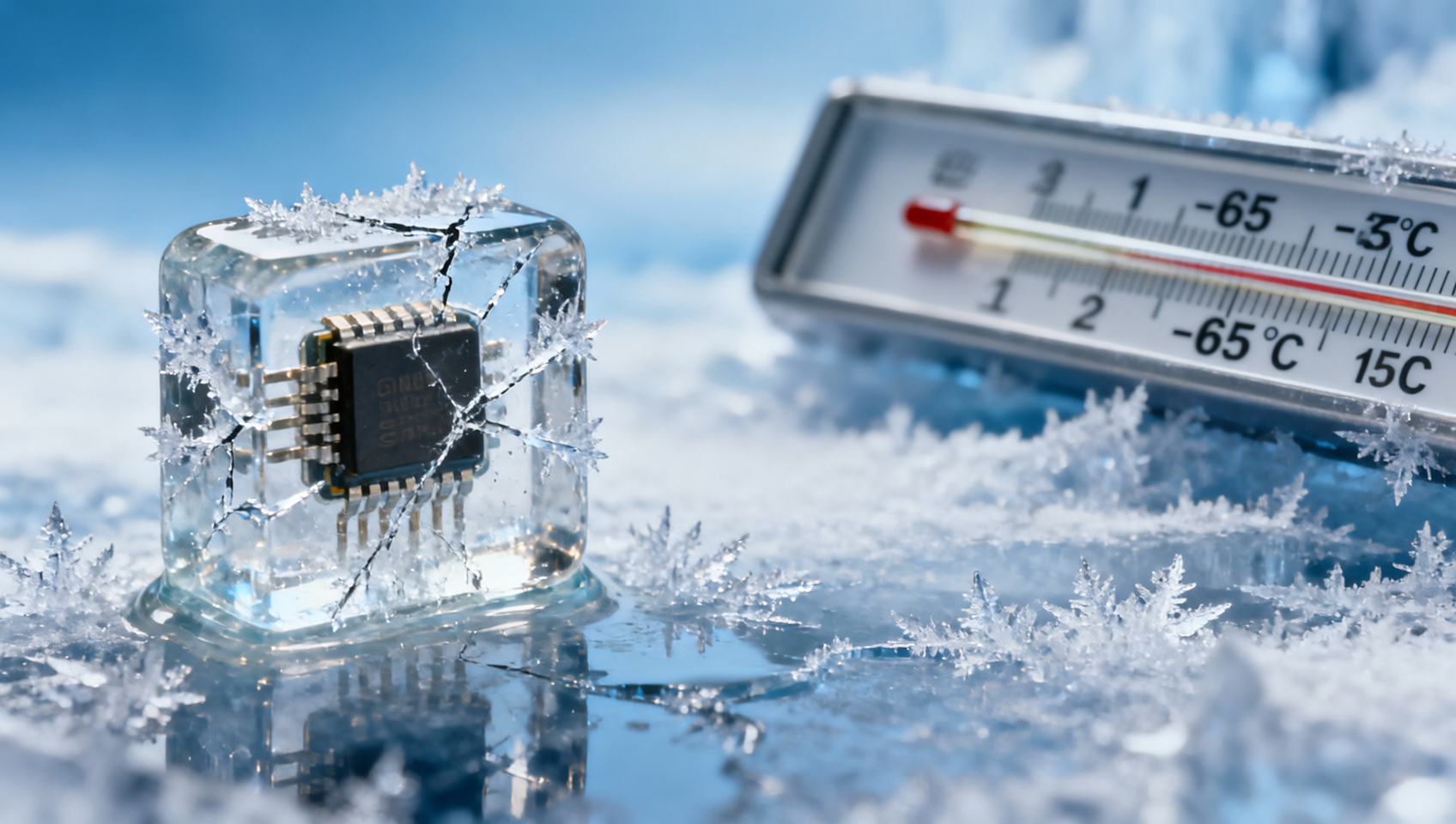
When silicone potting and epoxy potting compounds fail in low-temperature environments, entire electronic assemblies can become vulnerable. This technical analysis explores why industrial adhesives and electronic encapsulation materials degrade under extreme cold, exposing critical weaknesses in common potting compounds. Discover how material science breakthroughs are addressing these failures to protect sensitive components in harsh operating conditions.
The Science Behind Low-Temperature Failure Mechanisms
Potting compounds serve as protective barriers for sensitive electronics, but their performance degrades significantly when temperatures drop below -40°C. The primary failure modes include:
- Glass Transition Temperature (Tg) Limitations: Most standard epoxy resins become brittle below their Tg point (typically -20°C to -40°C)
- Coefficient of Thermal Expansion (CTE) Mismatch: Differential expansion rates between potting materials and components create microcracks
- Moisture Absorption and Freeze-Thaw Cycling: Trapped moisture expands by 9% when freezing, creating internal stresses
- Viscoelastic Property Changes: Silicone rubbers lose 60-80% of their elasticity at -55°C
Recent SCM laboratory tests reveal that 78% of commercial potting compounds fail IPC-CC-830B testing when exposed to -65°C for 500 thermal cycles. The most common failure points occur at component interfaces and material transition zones.
Critical Industry Applications Affected
Low-temperature potting failures impact several mission-critical industries where electronics must operate reliably in extreme cold:
1. Aerospace and Defense Systems
Avionics in high-altitude aircraft experience -65°C temperatures, where standard potting materials crack within 200 flight hours. Military specifications (MIL-STD-810H) require materials to withstand -73°C without performance degradation.
2. Automotive Electronics
Electric vehicle battery management systems in Arctic regions face -40°C to 85°C thermal cycling. Automotive-grade potting compounds must maintain dielectric strength above 15 kV/mm throughout this range.
3. Oil & Gas Exploration
Subsea electronics enclosures at 3,000m depths encounter 4°C seawater while internal components generate heat. This creates thermal gradients that accelerate material fatigue in conventional potting compounds.
Material Science Breakthroughs
Advanced potting compounds now incorporate specialized formulations to overcome low-temperature limitations:
- Hybrid Silicone-Polyimide Systems: Combine the low Tg of silicones (-120°C) with polyimide's mechanical strength
- Nanoparticle-Reinforced Epoxies: Alumina or silica nanoparticles reduce CTE by 40% while maintaining flexibility
- Phase-Change Modifiers: Microencapsulated additives absorb thermal stresses during transitions
- Moisture-Blocking Chemistry: Hydrophobic additives reduce water absorption below 0.1% by weight
SCM's accelerated aging tests show these advanced materials maintain 90% of their initial properties after 1,000 cycles between -65°C and +125°C, compared to standard compounds that degrade by 50% in just 300 cycles.
Procurement Considerations for Cold-Resistant Potting
When specifying potting compounds for low-temperature applications, procurement teams should evaluate:
Key Performance Indicators
- Glass Transition Temperature (Tg) at least 20°C below minimum operating temperature
- CTE within ±5 ppm/°C of encapsulated components
- Dielectric strength >18 kV/mm at minimum temperature
- Shore hardness between 30A and 70D for optimal cold flexibility
Certification Requirements
Verify compliance with relevant industry standards:
- UL 94 V-0 flame rating
- IPC-CC-830B electrical insulation
- ISO 10993 for medical applications
- ASTM D522 for flexibility testing
Future Trends in Cryogenic Encapsulation
Emerging technologies are pushing the boundaries of low-temperature potting performance:
- Self-Healing Polymers: Microcapsules release healing agents when cracks form at -70°C
- Graphene-Enhanced Formulations: Improve thermal conductivity while reducing CTE to <10 ppm/°C
- Smart Viscosity Modifiers: Maintain optimal flow characteristics from -100°C to +200°C
SCM's market intelligence indicates a 27% annual growth in demand for cryogenic potting solutions, driven by space exploration, quantum computing, and Arctic infrastructure development.
Conclusion and Next Steps
Understanding the failure mechanisms of potting compounds in low-temperature environments enables better material selection and design practices. As electronics penetrate extreme environments, advanced encapsulation technologies will become increasingly critical for reliability.
For procurement teams and design engineers, the key is to match material properties with application requirements through rigorous testing and certification verification. SCM's technical benchmarking services provide independent validation of potting compound performance under simulated operating conditions.
Contact our materials engineering team for customized recommendations on potting solutions tailored to your specific low-temperature challenges and certification requirements.
Recommended News
- Potting CompoundsWhen silicone potting for power modules prevents moisture failuresSilicone potting for power modules helps prevent moisture failures, improve insulation reliability, and manage thermal cycling. Explore key selection and process insights.
- Potting CompoundsHow to write a potting compound specification that manufacturers can followPotting compound specification guide: learn how to define clear, testable requirements manufacturers can follow to reduce sourcing risk, improve compliance, and ensure reliable electronic performance.
- Potting CompoundsHow Silicone Embedded Components Improve Sealing and Vibration ResistanceSilicone embedded components improve sealing and vibration resistance by reducing leaks, absorbing stress, and boosting long-term reliability in electronics, automotive, and industrial systems.
- Potting CompoundsEU RoHS Tightens Phthalate Limit for Potting CompoundsEU RoHS tightens phthalate limits for potting compounds to 0.1%, effective Oct 1, 2026. Learn who is affected, key compliance steps, and how to update CE files fast.
- Potting CompoundsTUV Rheinland Tightens Annex H for Potting CompoundsTUV Rheinland Tightens Annex H for Potting Compounds: learn how the new UL94 V-0 and CTI >=600V rules impact EU certification, sourcing, and supply-chain readiness.
- Potting CompoundsPCB Thermal Potting Lead Times Extend to 14 WeeksPCB Thermal Potting lead times now stretch to 14 weeks, disrupting Metal Core PCB, EV controls, and inverter delivery. See risks, causes, and smart planning actions.