
Potting Compounds: How to Avoid Cracking After Cure
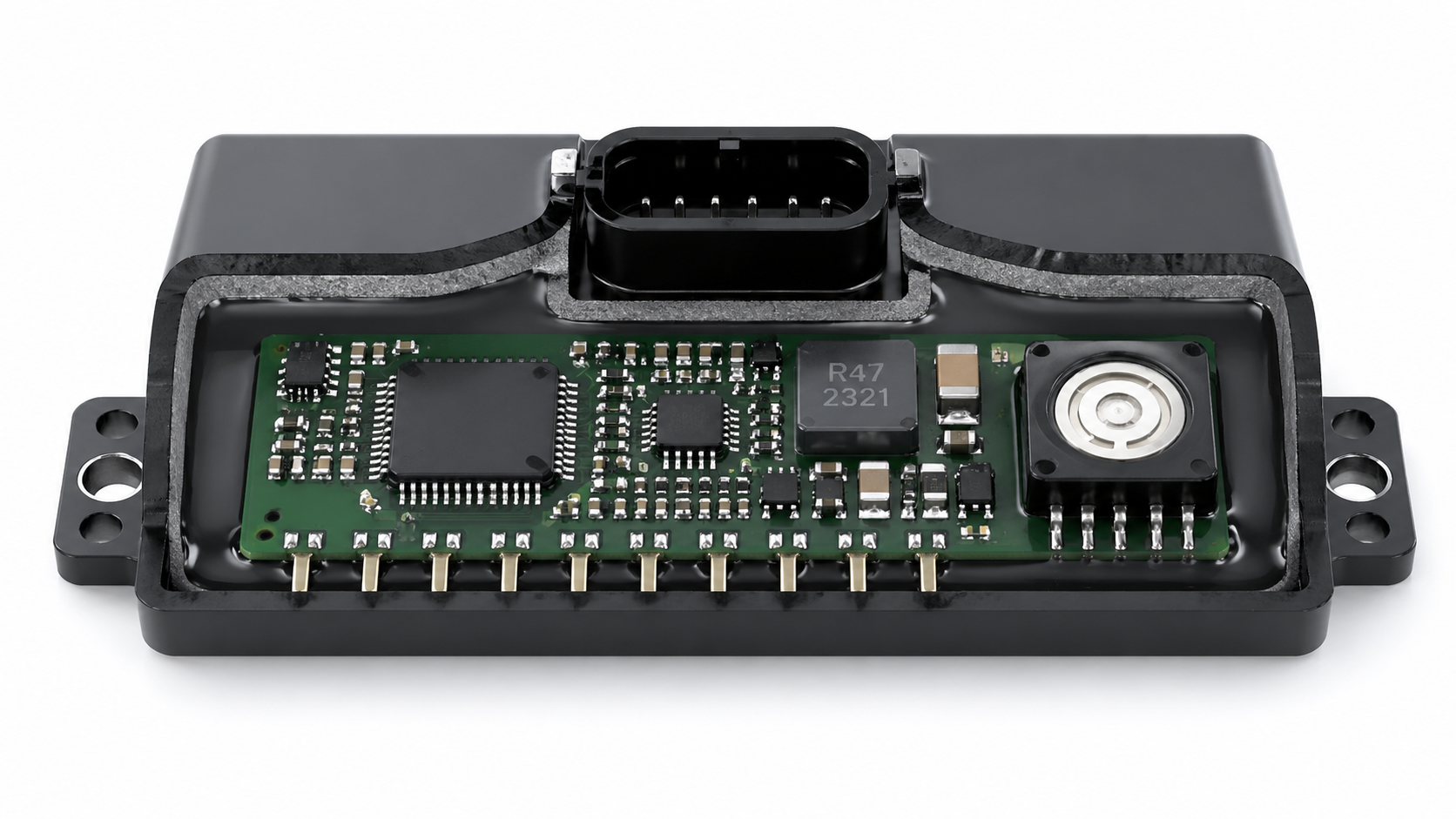
DETAILS
Cracking after cure can undermine potting reliability, thermal stability, and long-term semiconductor compliance in demanding electronics applications. From circuit components and electronic parts to high-performance capacitors, circuit board assembly quality depends on correct material selection, thermal management compliance, and process control. This guide explains the key causes of cured potting cracks and how engineers, buyers, and quality teams can prevent failures before they affect performance or supply chain confidence.
In semiconductor packaging, PCB assemblies, power modules, sensors, and control electronics, cured potting cracks are rarely a cosmetic issue. They can open leakage paths, reduce dielectric protection, concentrate stress around leads, and accelerate field failures under vibration, humidity, or thermal cycling. For operators, the concern is process repeatability. For technical evaluators and quality managers, it is long-term reliability. For procurement and commercial teams, it is supplier consistency, scrap cost, and warranty exposure.
Because potting compounds sit at the intersection of materials science, thermal design, and manufacturing execution, crack prevention requires more than choosing a “stronger” resin. The practical answer involves matching modulus to the substrate, controlling cure exotherm, managing component spacing, and defining measurable acceptance criteria before mass production. This is especially important in global EMS and semiconductor supply chains where IPC-Class 3 performance, ISO 9001 process discipline, and traceable quality data directly affect sourcing decisions.
Why Potting Compounds Crack After Cure
A cured potting crack usually results from one or more stress sources exceeding the material’s ability to absorb strain. In electronics, the most common drivers are cure shrinkage, thermal expansion mismatch, rapid temperature change, excessive filler loading, and poor adhesion to housings or components. A crack may appear within 24 hours of cure, or only after 100 to 500 thermal cycles in service.
The first stress source is volumetric shrinkage. Epoxy systems often shrink more than silicone systems during cure, while polyurethane behavior varies by formulation. Even a 1% to 5% shrinkage range can create concentrated stress around sharp corners, tall components, wire bonds, ferrite cores, or connector walls. If the enclosure has low compliance and the resin has high modulus, the cured mass has little room to relax.
The second source is coefficient of thermal expansion mismatch. A potting material, aluminum housing, FR-4 board, copper lead frame, ceramic package, and plastic connector all expand differently. When equipment moves from -40°C storage to 85°C or 125°C operating conditions, repeated expansion and contraction can initiate microcracks. Over time, those microcracks propagate into visible fractures or delamination pockets.
Process conditions matter as much as chemistry. Overheating during cure, incorrect mix ratio, trapped moisture, poor degassing, and uncontrolled pour thickness can all increase internal stress. In many field investigations, the material itself is not the only root cause. A resin qualified in a 10 mm pour can fail in a 30 mm cavity because exotherm, cure speed, and thermal gradients change significantly with volume.
Typical Failure Mechanisms in Electronics Assemblies
- High cure exotherm creates local hot spots, especially in deep or narrow cavities.
- Rigid compounds transfer stress into ceramic capacitors, solder joints, and fine-pitch components.
- Sharp enclosure corners act as stress concentrators during shrinkage and thermal cycling.
- Moisture contamination can form voids, reduce adhesion, and amplify crack propagation.
- Fast demolding or handling before full post-cure can introduce secondary mechanical stress.
The table below summarizes common crack drivers and what they usually mean in production or field use. These ranges are typical engineering references rather than universal limits, but they help teams define qualification plans and incoming material controls.
For engineering and sourcing teams, the key conclusion is that cracking risk is system-driven. Compound selection, cavity geometry, thermal profile, and assembly architecture must be evaluated together. A technically acceptable resin in one application may become a reliability risk in another if the enclosure depth, operating temperature, or component density changes.
Material Selection: Matching Potting Chemistry to the Application
Selecting the right potting compound is the most effective preventive measure because the resin defines stiffness, shrinkage, adhesion, thermal conductivity, and service temperature. In electronics manufacturing, the decision usually falls among epoxy, polyurethane, and silicone. Each chemistry can be optimized, but each also carries trade-offs that directly affect cracking after cure.
Epoxy potting compounds are often chosen for mechanical strength, chemical resistance, and dimensional stability. They are common in power electronics, transformers, industrial control modules, and harsh-environment boards. However, epoxies tend to be more rigid, and if the assembly contains ceramic packages, large CTE mismatch, or frequent thermal cycling, the cured structure can become too brittle unless the formulation is specifically stress-relieved.
Polyurethane systems provide a useful middle ground in some assemblies. They can offer lower modulus and improved flexibility at moderate temperatures, which helps reduce stress transfer to sensitive components. Their limitations usually appear in high-temperature or chemical-exposure environments. Silicone systems, by contrast, are often preferred when flexibility and thermal cycling resistance are priorities, particularly in applications that move between broad temperature extremes or require lower stress on delicate electronics.
Material selection should not stop at chemistry family. Engineers should compare hardness, elongation, glass transition behavior, thermal conductivity, and adhesion to actual substrates such as aluminum, FR-4, polyamide, PPS, and ceramic. Procurement teams should also review lot consistency, shelf life, dispensing behavior, and supplier control of filler distribution, because variability at the material level often becomes variability in crack performance.
What to Check Before Approval
- Target operating temperature range, such as -40°C to 85°C, -40°C to 125°C, or higher.
- Maximum pour depth and whether the supplier specifies exotherm limits by volume.
- Modulus or hardness relative to fragile components like MLCCs, sensors, or fine solder joints.
- Thermal conductivity needs, often from 0.2 W/m·K to above 1.0 W/m·K depending on design.
- Recommended cure schedule, post-cure requirements, and mix ratio tolerance window.
The comparison below helps technical and commercial stakeholders evaluate which chemistry is less likely to crack in different electronics scenarios.
The important takeaway is that “harder” does not mean “more reliable.” In many semiconductor and EMS applications, a lower-stress compound with stable adhesion and controlled cure behavior outperforms a rigid system that looks stronger in a basic datasheet comparison. Material approval should always combine lab testing, pilot builds, and field-condition simulation.
Process Controls That Prevent Cracks Before They Start
Even a well-selected potting compound can crack if production controls are weak. In practice, the largest process variables are storage condition, preheating, mix quality, vacuum degassing, pour speed, cavity fill level, and cure profile. These steps are especially important for EMS providers and component integrators running multiple product variants across different line operators or shifts.
Temperature management during cure is one of the most overlooked factors. If the ambient shop floor changes from 18°C in the morning to 30°C in the afternoon, resin viscosity, bubble release, and reaction speed can shift enough to alter final stress levels. Many facilities therefore control material and process temperature within a narrower window such as 22°C to 25°C to keep flow and cure repeatable.
Mix ratio accuracy is also critical. Two-part systems often specify ratio tolerances close to supplier recommendations, and exceeding those tolerances can create brittle networks or uncured zones. Automated metering helps, but it still requires periodic calibration. For high-value electronics, a documented check every shift or every 8 hours is often more economical than dealing with rework, latent failure, or returned product.
Cavity design and fill strategy should be treated as process variables, not only design variables. Deep, single-shot pours can generate more exotherm than staged fills. Sharp corners and abrupt geometry transitions trap stress. In demanding assemblies, a 2-stage pour, controlled ramp cure, or localized venting feature may reduce crack risk more effectively than changing the entire potting chemistry.
Recommended Shop-Floor Control Points
- Condition resin and hardener to a stable processing range before mixing rather than using cold material directly from storage.
- Use vacuum degassing where trapped air is visible or where component density creates hidden void zones.
- Limit pour thickness per supplier guidance, especially beyond 20 mm to 30 mm in heat-sensitive systems.
- Apply gradual cure ramps instead of aggressive temperature jumps when encapsulating mixed-material assemblies.
- Protect potted units from movement until handling strength and full cure are confirmed.
The table below provides a practical process checklist for manufacturing teams working to reduce cured potting cracks and improve repeatability across lots and factories.
For project managers and quality leaders, this process discipline supports better transfer between pilot build and mass production. It also improves supplier audits because the root causes of cracking can be linked to measurable parameters rather than subjective operator judgment.
Design, Qualification, and Inspection Methods for Long-Term Reliability
Crack prevention should begin during design review, not after first failure analysis. Electronics teams should review cavity geometry, component spacing, edge clearance, thermal load, and expected service profile before freezing the resin choice. A compact design that forces a rigid compound around high-aspect-ratio parts will almost always carry more risk than a design that allows stress relief and uniform material flow.
Qualification should reflect real operating conditions. For many industrial and semiconductor-related assemblies, that means more than a room-temperature visual check after cure. Teams often evaluate samples using thermal cycling, vibration, humidity exposure, and dielectric testing. A product that passes an initial 24-hour cure inspection may still fail after 200 cycles if internal stress is unresolved.
Inspection methods should include both destructive and non-destructive approaches where justified. Visual inspection identifies surface cracks, overflow, sink, or poor wetting. Cross-sectioning can reveal voids, delamination, and crack paths near components. For higher-value modules, X-ray or acoustic methods may be considered when hidden defects could affect yield, safety, or field life. The correct method depends on assembly value, risk class, and failure cost.
For buyers and financial approvers, the business case is straightforward. Qualification costs are usually predictable and limited, while late-stage crack failures can create disproportionate expense through scrap, warranty returns, customer line stoppage, and supplier dispute. A structured validation plan reduces those downstream costs and supports cleaner sourcing decisions.
Key Design and Test Questions
Design review points
- Is there adequate clearance around heat-generating parts and stress-sensitive components?
- Are internal corners radiused to reduce shrinkage stress concentration?
- Does the enclosure support uniform fill or create trapped air pockets?
- Is the selected modulus compatible with the substrate and service temperature profile?
Validation checkpoints
- Initial cure inspection within 24 hours.
- Thermal cycling plan such as 100, 200, or 500 cycles based on risk level.
- Adhesion and dielectric checks after environmental exposure.
- Cross-section review on first article and after process changes.
A useful rule for technical assessment is to validate in three stages: laboratory screening, pilot-line confirmation, and production monitoring. This 3-stage approach helps separate formulation risk from process risk and makes supplier comparisons more objective. It also aligns well with B2B procurement workflows where engineering approval, quality approval, and commercial approval often happen at different times.
Procurement, Supplier Evaluation, and Cross-Functional Risk Control
Avoiding cured potting cracks is not only a materials or production issue. It is also a sourcing and governance issue. Procurement teams should evaluate suppliers based on technical transparency, formulation consistency, packaging stability, and change-control discipline. If a supplier cannot explain how modulus, exotherm, viscosity, and recommended cure window interact, the organization is buying risk along with the material.
For global semiconductor and EMS programs, the most resilient sourcing models link engineering, quality, and purchasing criteria. Engineering defines the stress environment. Quality defines the inspection and lot-release plan. Procurement then secures approved supply against those technical controls rather than purchasing by unit price alone. This is particularly important where one failed batch can disrupt high-value assemblies or multi-site schedules.
Commercial reviewers should also examine practical supply factors: shelf life, cold-chain or storage needs, MOQ, lead time, and packaging format. A low-cost compound with a short handling window or unstable filler settling profile may create more process variation than a slightly more expensive but better-controlled product. In many B2B settings, total cost of quality matters more than nominal purchase price.
Independent technical benchmarking adds value here. Organizations such as SiliconCore Metrics support data-driven decision making by translating complex manufacturing parameters into comparable criteria across PCB fabrication, SMT assembly, semiconductor components, passive devices, and thermal packaging. For teams balancing reliability and sourcing risk, standardized benchmarking makes material and supplier discussions more measurable and less subjective.
Supplier Evaluation Checklist
The table below outlines practical procurement factors that influence cracking risk, lot stability, and long-term supportability in electronics manufacturing programs.
The core lesson is that crack prevention works best when technical and commercial decisions are integrated. If engineering validates a compound but purchasing later substitutes a similar-looking material without equivalent stress data, the original reliability conclusion may no longer hold.
FAQ: Practical Questions About Preventing Cured Potting Cracks
How do I know whether the crack is caused by the material or the process?
Start with three checks: compare the actual mix ratio to the target, review the cure temperature and pour depth used in production, and inspect whether the crack begins at a stress concentration point such as a corner or component edge. If multiple lots fail only under one line condition, process variation is likely. If failures repeat across controlled trials, the formulation or modulus match may be the larger issue.
Are softer potting compounds always better for avoiding cracks?
Not always. Lower modulus usually reduces internal stress, but the assembly may still need mechanical support, chemical resistance, or thermal conductivity. The right choice depends on the balance among electrical protection, thermal load, vibration exposure, and service temperature. In many electronics applications, the best result comes from a medium-stress material combined with controlled cure and better cavity design.
What tests should be included before approving a potted assembly for production?
A practical baseline includes visual inspection after full cure, dielectric verification, adhesion review, and thermal cycling. For higher-risk programs, teams often add humidity exposure, vibration, and cross-section analysis. A common staged plan is 10 to 30 pilot samples for screening, then broader validation after process settings are frozen.
Can thermal conductivity fillers increase crack risk?
Yes, they can. Fillers improve heat transfer, but they may also change viscosity, shrinkage behavior, stiffness, and sedimentation tendency. A thermally conductive compound must be validated as a full system, especially when the design uses deep cavities or encapsulates fragile components. Higher thermal performance is valuable only if the cured structure remains mechanically stable.
Preventing cracks after cure requires coordinated control of material properties, design geometry, processing conditions, and supplier consistency. The most reliable electronics programs do not treat potting as a simple fill operation. They validate shrinkage behavior, manage thermal stress, define measurable process windows, and align sourcing decisions with application risk.
For engineers, buyers, and quality teams working across semiconductor and EMS supply chains, that discipline protects product performance, compliance confidence, and total cost of ownership. If you need support comparing potting approaches, evaluating supplier data, or building a more robust qualification framework, contact SiliconCore Metrics to get tailored technical insight, benchmarking support, and practical guidance for your next project.
- PCB
- substrates
- semiconductor supply chain
- PCB fabrication
- SMT assembly
- thermal packaging
- IPC-Class 3
- EMS
- thermal management
- ISO 9001
- semiconductor packaging
- semiconductor components
- thermal management compliance
- semiconductor compliance
- circuit board assembly
- electronic parts
- circuit components
- semiconductor
- power electronics
- high-performance
- high-performance capacitors
- thermal conductivity
- potting compounds
- epoxy potting
Recommended News
- Potting CompoundsWhen silicone potting for power modules prevents moisture failuresSilicone potting for power modules helps prevent moisture failures, improve insulation reliability, and manage thermal cycling. Explore key selection and process insights.
- Potting CompoundsHow to write a potting compound specification that manufacturers can followPotting compound specification guide: learn how to define clear, testable requirements manufacturers can follow to reduce sourcing risk, improve compliance, and ensure reliable electronic performance.
- Potting CompoundsHow Silicone Embedded Components Improve Sealing and Vibration ResistanceSilicone embedded components improve sealing and vibration resistance by reducing leaks, absorbing stress, and boosting long-term reliability in electronics, automotive, and industrial systems.
- Potting CompoundsEU RoHS Tightens Phthalate Limit for Potting CompoundsEU RoHS tightens phthalate limits for potting compounds to 0.1%, effective Oct 1, 2026. Learn who is affected, key compliance steps, and how to update CE files fast.
- Potting CompoundsTUV Rheinland Tightens Annex H for Potting CompoundsTUV Rheinland Tightens Annex H for Potting Compounds: learn how the new UL94 V-0 and CTI >=600V rules impact EU certification, sourcing, and supply-chain readiness.
- Potting CompoundsPCB Thermal Potting Lead Times Extend to 14 WeeksPCB Thermal Potting lead times now stretch to 14 weeks, disrupting Metal Core PCB, EV controls, and inverter delivery. See risks, causes, and smart planning actions.