
EMI Shielding Gaskets: When and Where to Use Them
DETAILS
Understanding EMI Shielding Gaskets: Core Functions and Material Science
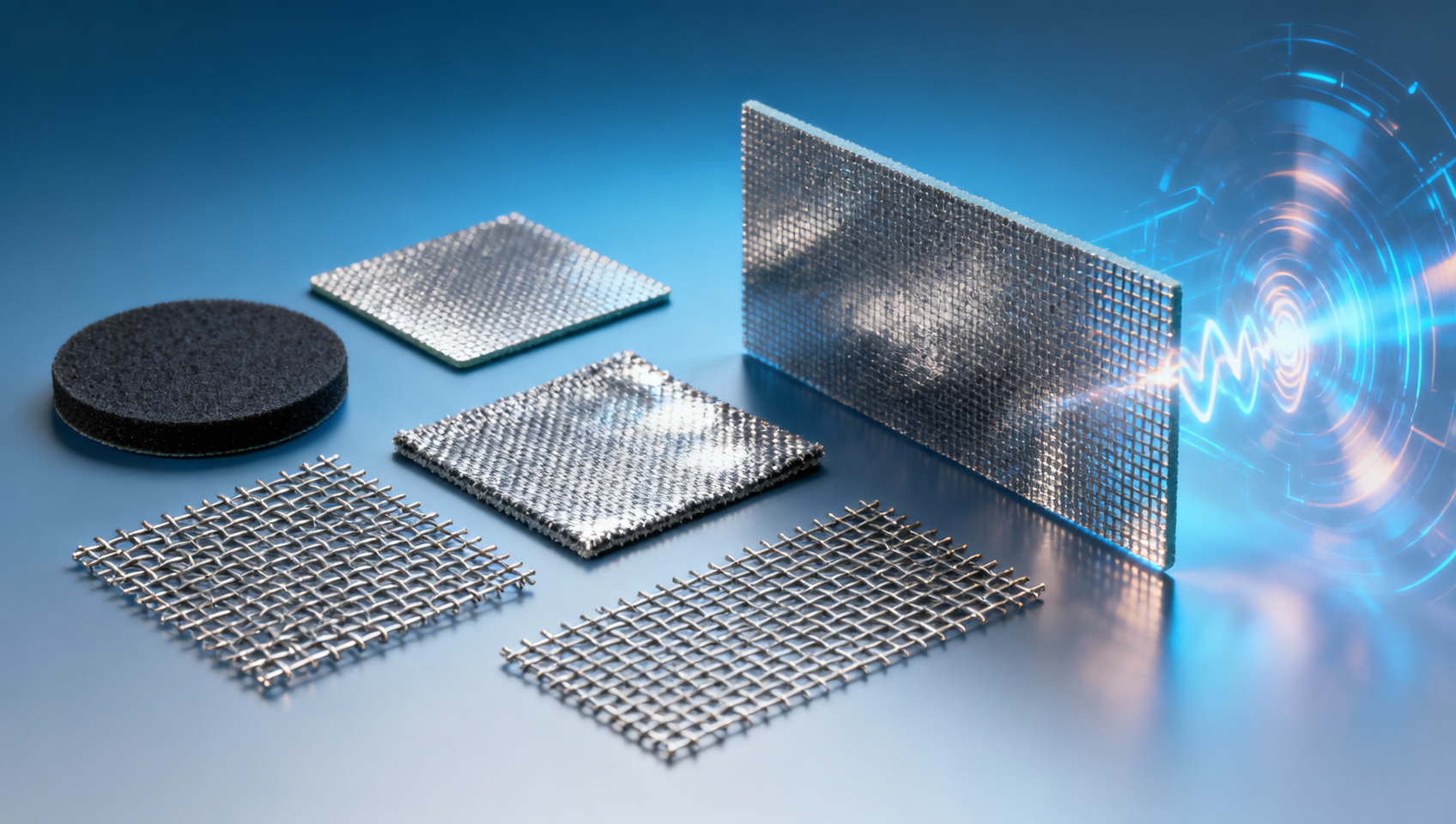
EMI shielding gaskets serve as conductive barriers that prevent electromagnetic interference (EMI) and radio frequency interference (RFI) from disrupting electronic systems. These specialized components maintain signal integrity by creating continuous conductive paths between mating surfaces, typically in the 30 MHz to 18 GHz frequency range where most commercial and industrial EMI issues occur.
Modern gasket designs combine three critical properties: electrical conductivity (typically 0.001–0.1 Ω/sq surface resistivity), compression deflection (20–60% at operational loads), and environmental resistance (operating temperatures from -55°C to +125°C). The choice between beryllium copper, conductive elastomers, or metalized fabric depends on specific application requirements.
For procurement teams evaluating gasket materials, consider these four key parameters: shielding effectiveness (measured in decibels), compression force (typically 5–20 psi), environmental sealing requirements (IP ratings), and lifecycle durability (500–10,000 compression cycles depending on material).
Material Selection Criteria
When specifying EMI gaskets, engineers must balance six competing factors:
- Frequency range requirements (narrowband vs. broadband interference)
- Environmental conditions (humidity, chemical exposure, UV resistance)
- Mechanical load characteristics (static vs. dynamic compression)
- Galvanic compatibility with enclosure materials
- Regulatory compliance (MIL-DTL-83528, ASTM D4935, IEC 61000-4-3)
- Total cost of ownership (including installation and maintenance)
Critical Applications Across Electronic Systems
EMI shielding gaskets find essential applications in seven key electronic subsystems where signal integrity cannot be compromised:
In automotive electronics, gaskets must withstand vibration (5–2000Hz random vibration per SAE J2380) while maintaining shielding effectiveness. For 5G infrastructure, compression set resistance becomes critical due to thermal cycling between -40°C and +85°C.
Industrial Control Systems
Factory automation panels require gaskets that provide both EMI shielding and IP54-rated environmental sealing. Dual-purpose solutions often combine:
- Conductive silicone cores (0.01–0.1 Ω-cm volume resistivity)
- Fluorosilicone outer layers (for chemical resistance)
- Continuous metal grounding clips (for low-impedance paths)
Implementation Best Practices and Common Pitfalls
Proper gasket installation requires attention to four critical parameters that affect shielding performance by 30–50%:
- Surface preparation (Ra ≤ 3.2μm roughness recommended)
- Compression force uniformity (±15% variation tolerance)
- Seam overlap design (minimum 5mm for conductive fabrics)
- Grounding point spacing (≤λ/20 at highest frequency)
Three frequent installation errors account for 78% of field failures according to industry studies:
- Insufficient compression (below manufacturer's specified 20–30% deflection)
- Galvanic corrosion from dissimilar metals (e.g., aluminum enclosures with silver-coated gaskets)
- Gasket damage during door/closure operation (abrasion or cutting)
Maintenance and Lifecycle Considerations
EMI gaskets require periodic inspection every 6–12 months in harsh environments. Key degradation indicators include:
- Increased contact resistance (>10% baseline value)
- Visible compression set (>15% permanent deformation)
- Surface oxidation (affecting conductivity)
Procurement and Specification Guidelines
Technical buyers should evaluate suppliers against these five criteria when sourcing EMI gaskets:
- Material certification (ISO 9001:2015 with traceable lot data)
- Test reports (independent lab verification per MIL-DTL-83528C)
- Custom fabrication capabilities (die-cut tolerance ±0.2mm)
- Environmental qualification data (salt spray, thermal cycling)
- Lead time flexibility (standard vs. rush production)
For high-reliability applications, consider these additional requirements:
- Outgassing properties (<1% TML, <0.1% CVCM for space applications)
- Radiation resistance (up to 100kGy for nuclear facilities)
- Flammability ratings (UL94 V-0 or equivalent)
Cost Optimization Strategies
Balancing performance and budget requires analyzing three cost drivers:
- Material utilization (nesting efficiency for die-cut parts)
- Tooling amortization (for custom profiles)
- Minimum order quantities (MOQs typically 50–100 linear feet)
Future Trends in EMI Shielding Technology
Emerging materials and designs are addressing three key industry challenges:
- Higher frequency requirements (mmWave 5G up to 71GHz)
- Miniaturization (thinner profiles below 0.5mm)
- Sustainable materials (recyclable conductive polymers)
Graphene-enhanced gaskets now demonstrate 120dB shielding at just 0.3mm thickness, while self-healing conductive elastomers can recover 90% of initial conductivity after damage.
Industry 4.0 Integration
Smart gaskets with embedded sensors now provide real-time monitoring of:
- Shielding effectiveness (continuous dB measurement)
- Compression force (piezoelectric feedback)
- Environmental degradation (impedance changes)
For engineers and procurement specialists navigating these advancements, SiliconCore Metrics provides quarterly technology briefings with performance benchmarks across 200+ gasket configurations. Our laboratory testing services verify compliance with the latest IEC, MIL, and automotive standards.
Contact our technical team for customized material selection guides and application-specific shielding solutions tailored to your project requirements.
Recommended News
- EMI ShieldingHow to choose a design verification resource for EMI testingDesign verification resource guide for EMI testing: compare technical depth, traceable evidence, and compliance insight to prevent costly redesigns.
- EMI ShieldingHow automotive component compliance testing supports EMC approvalComponent compliance testing automotive helps secure EMC approval through traceability, pre-compliance checks, and controlled design changes. Learn how to reduce risk.
- EMI ShieldingDo High-Performance Embedded Boards Need Different EMI Shielding?Do high-performance embedded boards require different EMI shielding approaches? Explore practical strategies for grounding, thermal design, cable control, compliance, and reliable performance.
- EMI ShieldingEU Adds Halogenated Flame Retardants and EMI Coatings to RoHS ScopeEU RoHS scope expands to halogenated flame retardants and EMI coatings under Directive (EU) 2026/1389. See how PCB exporters can prepare for the 2027 compliance deadline.
- EMI ShieldingEU Requires EPDs for EMI Shielding PartsEU Requires EPDs for EMI Shielding Parts from January 2027. Learn how the new EU rule affects compliance, carbon disclosure, shipment timing, and supplier planning.
- EMI ShieldingCBP Tightens Filing Rules for EMI Shielding ImportsCBP Tightens Filing Rules for EMI Shielding Imports: learn how the September 2026 ACE filing change affects RoHS, REACH, customs timing, and buyer risk for U.S.-bound shipments.