
NEMA Ratings Explained for Protective Enclosures
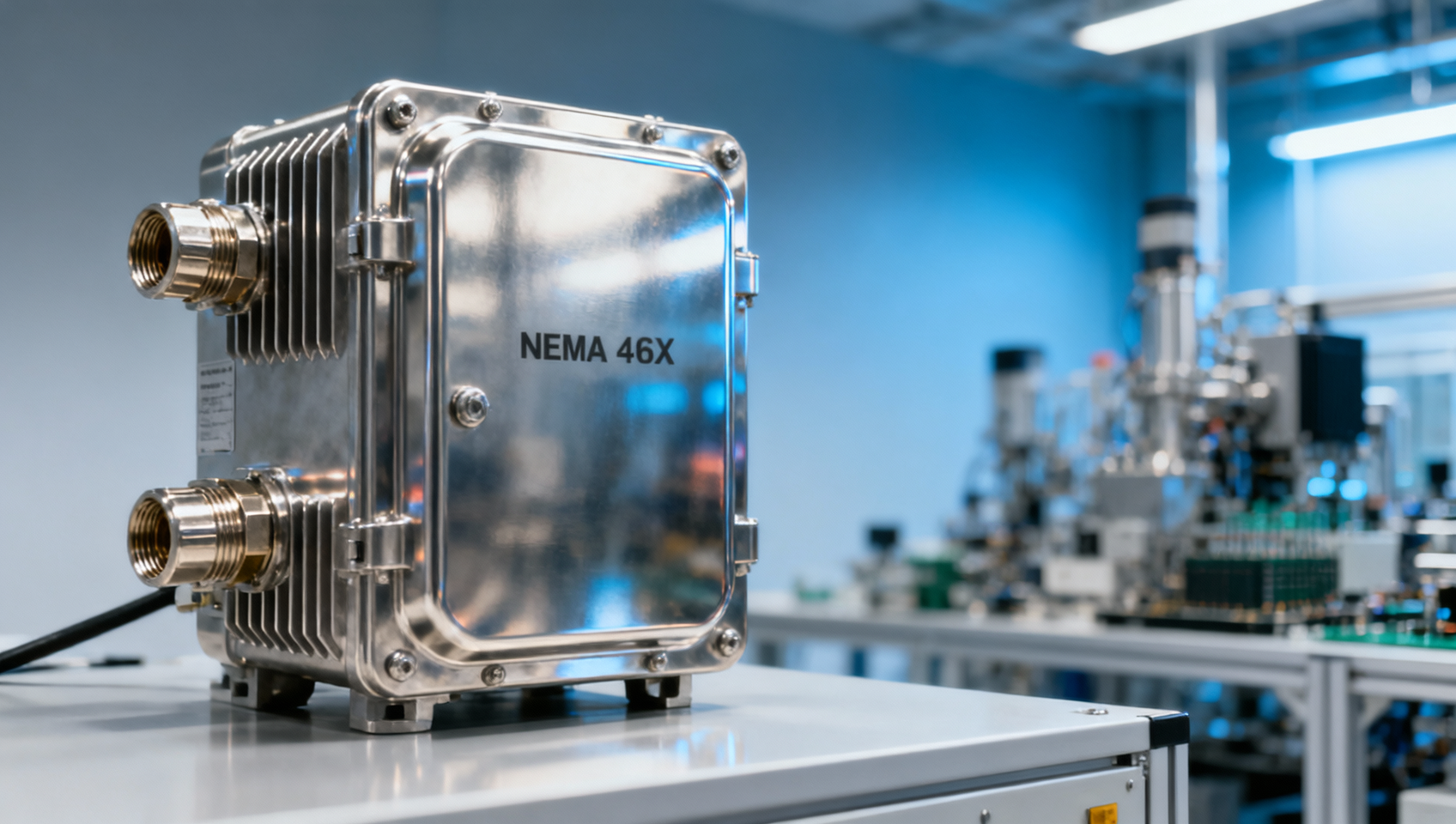
DETAILS
Understanding NEMA Ratings: The Foundation of Protective Enclosure Selection
Understanding NEMA ratings is critical when selecting protective enclosures for electronic shielding, EMI protection, or thermal management applications. This guide deciphers NEMA standards to help engineers, procurement specialists, and project managers choose the right industrial enclosures for harsh environments. Whether you need RF shielding, reliable wire connectors, or cooling solutions, our technical breakdown empowers decision-makers across the semiconductor and EMS supply chain to make informed enclosure selections.
What Are NEMA Ratings and Why They Matter
The National Electrical Manufacturers Association (NEMA) establishes standardized ratings that define an enclosure's ability to protect sensitive electronics against environmental hazards. These ratings serve as the universal language for specifying protection levels against dust, water, corrosion, and mechanical impacts.
For semiconductor manufacturing and EMS operations, selecting the wrong NEMA rating can lead to:
- 15-30% higher failure rates in harsh environments
- Increased maintenance costs (typically $500-$2,000 per incident)
- Violations of IPC-CC-830 and UL 50E compliance standards
The table above shows three common NEMA types, but the full standard includes 13 primary enclosure types with 20+ subcategories. Proper selection requires understanding both the immediate environment and long-term operational stresses.
Decoding NEMA Standards for Electronics Protection
NEMA ratings go beyond simple weatherproofing. For semiconductor and EMS applications, four critical protection factors determine enclosure selection:
1. Particulate Protection (Dust & Debris)
NEMA 12 and 13 enclosures provide complete protection against dust ingress, crucial for maintaining PCB cleanliness during assembly. The difference lies in oil resistance - NEMA 13 adds protection against dripping non-corrosive coolants.
2. Liquid Ingress Protection
NEMA 4 and 4X withstand water jets (equivalent to IP66), while NEMA 6 offers temporary submersion protection up to 1.83m depth. For coastal facilities, 4X's 316 stainless steel or fiberglass construction resists salt spray corrosion.
3. Thermal Management Considerations
High-power semiconductor equipment generates 500-2000W of heat per square foot. NEMA-rated thermal management solutions include:
- Forced-air cooling (NEMA 12 compatible)
- Heat exchangers (NEMA 4X rated)
- Conduction cooling plates (NEMA 6P compliant)
4. EMI/RFI Shielding Performance
While not part of standard NEMA ratings, specialized enclosures combine NEMA 4X protection with 60-90dB RF attenuation for sensitive measurement equipment. These typically use conductive gaskets and welded seams.
NEMA vs. IP Ratings: Key Differences for Technical Buyers
International Protection (IP) codes and NEMA ratings both classify enclosure protection, but differ in three crucial aspects:
For global supply chains, many enclosures now carry dual certifications. A typical NEMA 4X/IP66 enclosure meets both North American and international requirements, though material specifications may differ.
Selecting NEMA-Rated Enclosures: A Procurement Guide
Technical buyers should evaluate five key factors when specifying NEMA-rated enclosures for semiconductor applications:
Material Selection Matrix
Enclosure materials directly impact performance and lifecycle costs:
- Carbon Steel: Cost-effective for NEMA 12, requires powder coating (3-5 mil thickness)
- 304 Stainless: Standard for NEMA 4X, resists most chemicals (pH 3-11 range)
- 316L Stainless: For aggressive environments, withstands chlorides up to 1000ppm
- Polycarbonate: Lightweight NEMA 4 solution, UV-stabilized for outdoor use
Thermal Performance Verification
Calculate heat dissipation requirements using:
(Internal Heat Load) + (Solar Gain) ≤ (Enclosure Thermal Capacity)
For example, a 24"x24"x12" NEMA 4X enclosure with 100W internal load typically requires either:
- 2 small fans (20 CFM each)
- 1 heat exchanger (200 BTU/hr capacity)
Certification Cross-Reference
Ensure enclosures meet relevant industry standards:
- SEMI F47 for voltage sag immunity
- IPC-9592 for power conversion devices
- UL 508A for industrial control panels
Common NEMA Selection Mistakes and How to Avoid Them
Through our industry benchmarking, SCM has identified three frequent errors in NEMA enclosure selection:
1. Over-Specification
Using NEMA 4X (30-50% cost premium) where NEMA 12 provides adequate protection. Conduct a 12-month environmental survey before specification.
2. Material Incompatibility
304 stainless steel failing in chlorine-rich environments. Always request material compatibility charts from suppliers.
3. Thermal Oversight
Neglecting to account for solar loading in outdoor installations, which can add 15-25°C to internal temperatures.
Future Trends in Protective Enclosure Technology
The enclosure market is evolving to meet semiconductor industry demands:
- Smart Monitoring: IoT-enabled NEMA 4X enclosures with temperature/humidity sensors (5-10% adoption growth annually)
- Advanced Materials: Graphene-enhanced composites for 40% weight reduction
- Modular Designs: Tool-less reconfiguration for rapid line changes
Conclusion: Making Informed NEMA Decisions
Proper NEMA rating selection balances protection needs with total cost of ownership. For semiconductor and EMS applications, this means:
- Matching enclosure specifications to actual environmental stresses
- Validating material compatibility with process chemicals
- Planning for thermal management from initial design
SCM's technical analysts provide customized enclosure selection reports based on your specific operational parameters and compliance requirements. Contact our engineering team for a facility-specific NEMA rating assessment and cost-benefit analysis.
Recommended News
- HDI TechnologyHow to vet PCB suppliers in a directory before requesting quotesPCB suppliers directory guide: learn how to verify capabilities, certifications, traceability, and quote assumptions before selecting a reliable PCB partner.
- HDI TechnologyHow UAE engineering data repositories improve design traceabilityEngineering data repository UAE solutions strengthen design traceability by linking requirements, revisions, supplier evidence, and manufacturing data. Explore practical ways to reduce risk and accelerate releases.
- HDI TechnologyHow to verify UL recognition for printed circuit boardsPrinted circuit boards UL verification made clear: learn how to check UL marks, file numbers, factory scope, stack-ups, and traceability for audit-ready compliance.
- HDI TechnologyMulti layer PCB design guide for controlling signal crosstalkMulti layer PCB design guide for controlling signal crosstalk with stackup, spacing, return-path, and validation strategies for reliable high-density boards.
- HDI TechnologyHow tighter manufacturing tolerances change HDI PCB pricesMicro tolerance manufacturing price explained: see how tighter HDI PCB tolerances affect yield, inspection, supplier options, and sourcing costs.
- HDI TechnologyHow automotive PCB impedance control prevents signal failuresAutomotive PCB impedance control prevents reflections, noise, and timing errors in ADAS, EV, and infotainment systems. Learn how to build reliable signal paths.