
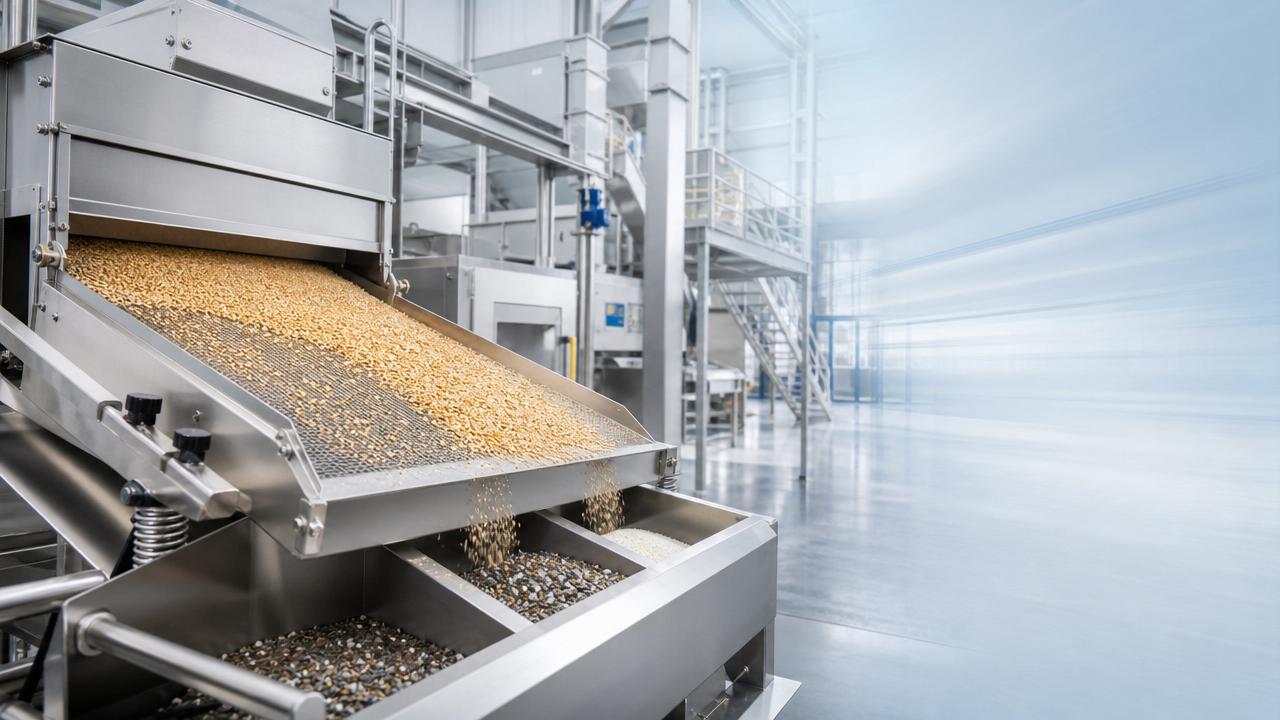
When a Grain Destoner Machine Pays Off: A Finance Approval Guide
For finance approvers, investing in a grain destoner machine is not just an equipment decision—it is a risk, yield, and payback calculation.
Stones, glass, and heavy impurities can damage downstream machinery, reduce product quality, trigger customer claims, and inflate maintenance costs.
This article examines when the investment becomes financially justified, how to measure ROI, and which operational signals indicate that a destoner can move from a “nice-to-have” upgrade to a cost-saving, quality-protecting asset.
The Finance Question: Is the Loss Larger Than the Machine Cost?
A grain destoner machine pays off when impurity-related losses exceed the annualized cost of buying, running, and maintaining the equipment.
Finance teams should not approve the purchase only because operations report “better cleaning.” The stronger case is measurable loss reduction.
The decision becomes clearer when stones cause equipment damage, product downgrades, rejected shipments, labor rework, or avoidable insurance and warranty exposure.
In many facilities, the machine is justified less by one dramatic failure and more by many small recurring losses.
These small losses often hide inside maintenance budgets, customer deductions, cleaning labor, product giveaway, and lower selling prices.
The approval question is therefore simple: will the destoner reduce controllable cost faster than it consumes capital and operating expense?
What Searchers Usually Want to Know Before Approving
Most buyers searching for this topic are not only asking what a destoner does. They want to know when it makes financial sense.
Finance approvers usually care about payback period, failure prevention, quality impact, capacity effects, and whether the machine will actually be used.
They also want to know if the investment is urgent, optional, or only justified after volume reaches a certain level.
The most useful analysis connects contamination levels, throughput, product value, rejection rates, and maintenance history into one financial view.
Generic explanations of separation principles are less useful unless they support sizing, savings, operating cost, or risk reduction.
That is why the strongest business case starts with real plant data rather than equipment brochures or broad industry claims.
Where a Grain Destoner Machine Creates Financial Value
A grain destoner machine separates stones and other dense impurities from grain using air flow, vibration, and density differences.
For finance leaders, the value is not the technology itself. The value is avoided loss across the production chain.
The first value source is machinery protection. Stones can damage mills, rollers, conveyors, hulling equipment, packaging systems, and optical sorters.
Repair costs are only part of the issue. Unplanned downtime can be more expensive than replacement parts.
If one stone-related stoppage disrupts several production hours, the hidden cost includes idle labor, missed orders, and schedule instability.
The second value source is product quality. Cleaner raw material improves consistency and reduces the risk of customer complaints.
Quality claims may involve refunds, penalties, replacement freight, inspection labor, and weakened trust with strategic buyers.
The third value source is yield protection. Heavy impurities add non-saleable weight and create losses during downstream cleaning or reprocessing.
When grain is purchased by weight, paying for stones effectively converts procurement spend into waste.
The Payback Formula Finance Teams Can Actually Use
A practical payback model should compare annual savings against total annual ownership cost, not only the purchase price.
Start with the installed cost, including equipment, freight, installation, electrical work, foundations, ducting, commissioning, and operator training.
Then estimate annual costs for power, spare parts, preventive maintenance, calibration, cleaning, inspections, and any required dust management systems.
Annual savings should include fewer repairs, lower downtime, reduced claims, less rework, improved saleable yield, and reduced manual cleaning labor.
The simple payback period equals total initial investment divided by annual net savings after operating costs.
For example, a $60,000 installed system saving $30,000 annually has a two-year simple payback.
If the same system also prevents one major failure every three years, the effective payback may be shorter.
Finance teams should test conservative, expected, and optimistic cases to avoid approving equipment based on best-case assumptions.
Operational Signals That the Investment Is No Longer Optional
The strongest approval signals appear when impurity problems are frequent, documented, and linked to measurable financial consequences.
Repeated stone discoveries after receiving or pre-cleaning suggest that current controls are not sufficient for the material risk.
Frequent wear on grinding, milling, hulling, or conveying equipment can indicate dense impurities passing through the process.
Customer complaints involving stones, grit, glass, or foreign materials should be treated as high-priority financial risk indicators.
Even a low number of complaints can justify action if customers are large, regulated, or strategically important.
A rising rejection rate from downstream sorters or manual inspection teams also supports the business case.
If operators slow production to manage contamination, the true cost includes lost throughput and lower equipment utilization.
When procurement shifts to lower-cost origins with higher impurity variability, a destoner may protect margins without rejecting cheaper supply.
When the ROI Is Usually Strongest
Return on investment is usually strongest in facilities with high throughput, high product value, or expensive downstream equipment.
Plants processing rice, wheat, pulses, corn, sesame, coffee, and specialty grains often gain value from density-based separation.
The case strengthens when final buyers demand food safety assurance, low foreign-material tolerance, and consistent visual or sensory quality.
Premium grain products create larger downside risk because contamination can convert high-value inventory into discounted or unsellable stock.
Facilities running multiple shifts also have stronger ROI because downtime has greater opportunity cost.
A destoner may also pay off quickly where labor-intensive inspection is currently used to compensate for weak mechanical cleaning.
If contamination rates are seasonal, the machine can still be justified when peak-season losses are severe enough.
The key is matching the financial model to actual annual exposure, not assuming uniform contamination every month.
When Approval Should Be Delayed or Narrowed
A grain destoner machine is not automatically justified for every facility handling grain or seed.
If incoming material is consistently clean, volumes are low, and downstream equipment is inexpensive, payback may be weak.
Approval should also be delayed if the plant cannot document contamination losses or identify where the machine will be installed.
A poorly placed destoner may remove impurities but fail to protect the most vulnerable process stage.
If upstream receiving controls are the real problem, supplier quality enforcement may produce better returns than equipment investment.
Likewise, if operators lack maintenance discipline, the machine may underperform and become another neglected asset.
In uncertain cases, finance can request a trial, rental option, pilot test, or supplier performance guarantee.
This approach reduces approval risk while creating evidence for a stronger capital request later.
Cost Items That Often Get Missed in the Business Case
Many equipment proposals underestimate total cost by focusing on the quoted machine price alone.
Installation may require structural supports, floor modifications, elevators, conveyors, aspiration lines, dust collectors, and electrical upgrades.
If the destoner changes process flow, there may be additional control panels, sensors, chutes, gates, and safety guarding.
Finance teams should ask whether the stated capacity is realistic for the target grain type and moisture range.
Undersized equipment can create bottlenecks, while oversized equipment may waste capital and energy.
Maintenance costs should include screens, rubber parts, bearings, motors, fans, dampers, and periodic alignment work.
Training is another real cost. Operators must know how to adjust air flow, deck angle, feed rate, and discharge settings.
Without proper adjustment, the machine may either miss stones or remove too much good grain.
How to Build a Strong Capital Approval File
A strong approval file begins with evidence, not assumptions. Collect at least three to six months of relevant operating data.
Include maintenance records showing stone-related damage, emergency repairs, downtime duration, and replacement part costs.
Add quality data, including customer complaints, rejected lots, foreign-material findings, inspection reports, and rework quantities.
Procurement should provide impurity trends by supplier, region, season, and grain type where data is available.
Operations should estimate throughput impact, including reduced stoppages, less manual sorting, and more stable downstream performance.
Sales or account teams should quantify the commercial risk of losing quality-sensitive customers.
The approval file should also compare alternatives, such as supplier penalties, better receiving inspection, magnets, screens, optical sorting, or manual labor.
This comparison shows that the grain destoner machine was selected because it addresses a specific economic problem.
KPIs to Track After Installation
Approving the machine is only the first step. Finance should require post-installation KPIs to confirm expected savings.
Useful metrics include stones removed per ton, rejected product rate, downtime hours, repair cost, customer complaints, and rework labor.
Track yield carefully because excessive removal of good grain can reduce savings and distort the payback calculation.
Energy use and maintenance spending should also be monitored against the assumptions used during approval.
A monthly review during the first quarter helps confirm whether operators are setting the equipment correctly.
After six to twelve months, finance can compare actual savings with the original business case.
This review improves future capital decisions and creates accountability between operations, quality, procurement, and finance.
If savings are below target, the issue may be sizing, placement, settings, maintenance, or unrealistic contamination assumptions.
Procurement Checks Before Selecting a Supplier
Finance approvers should not evaluate suppliers only on the lowest purchase price.
A cheaper machine can become expensive if capacity is overstated, separation efficiency is weak, or after-sales support is poor.
Ask suppliers for performance data using grain types similar to your own material mix.
Request information on throughput, separation accuracy, power consumption, maintenance intervals, spare part availability, and expected equipment life.
Clarify whether the supplier can support installation layout, commissioning, operator training, and troubleshooting.
Warranty terms should be reviewed carefully, especially exclusions related to abrasive materials, poor cleaning, or incorrect operation.
For higher-risk investments, consider acceptance testing based on agreed impurity removal and product loss thresholds.
This makes the procurement decision more defensible and reduces disputes after the equipment arrives.
A Practical Approval Threshold
As a rule, the investment deserves serious approval attention when payback is under three years under conservative assumptions.
A longer payback may still be acceptable if the machine protects major customers, regulatory compliance, or critical downstream assets.
If the investment mainly improves convenience without clear savings, it should compete with other capital projects on financial merit.
Finance should also consider strategic context. A plant targeting premium contracts may need better impurity control before sales growth occurs.
In that case, the machine supports revenue access, not only cost reduction.
The best approval decisions combine cost savings, risk prevention, quality assurance, and commercial positioning into one balanced view.
Conclusion: When It Pays Off
A grain destoner machine pays off when it prevents losses that are larger than its total ownership cost.
The most convincing cases involve recurring contamination, damaged equipment, customer claims, rework, yield loss, or premium quality requirements.
Finance approvers should request a data-backed model covering installed cost, operating expense, measurable savings, and risk reduction.
They should also require post-installation KPIs so the promised return becomes visible after commissioning.
If contamination is rare and financial exposure is low, approval can wait or be limited to a pilot.
If losses are documented and quality risk is rising, the destoner moves from optional equipment to a financially justified safeguard.