
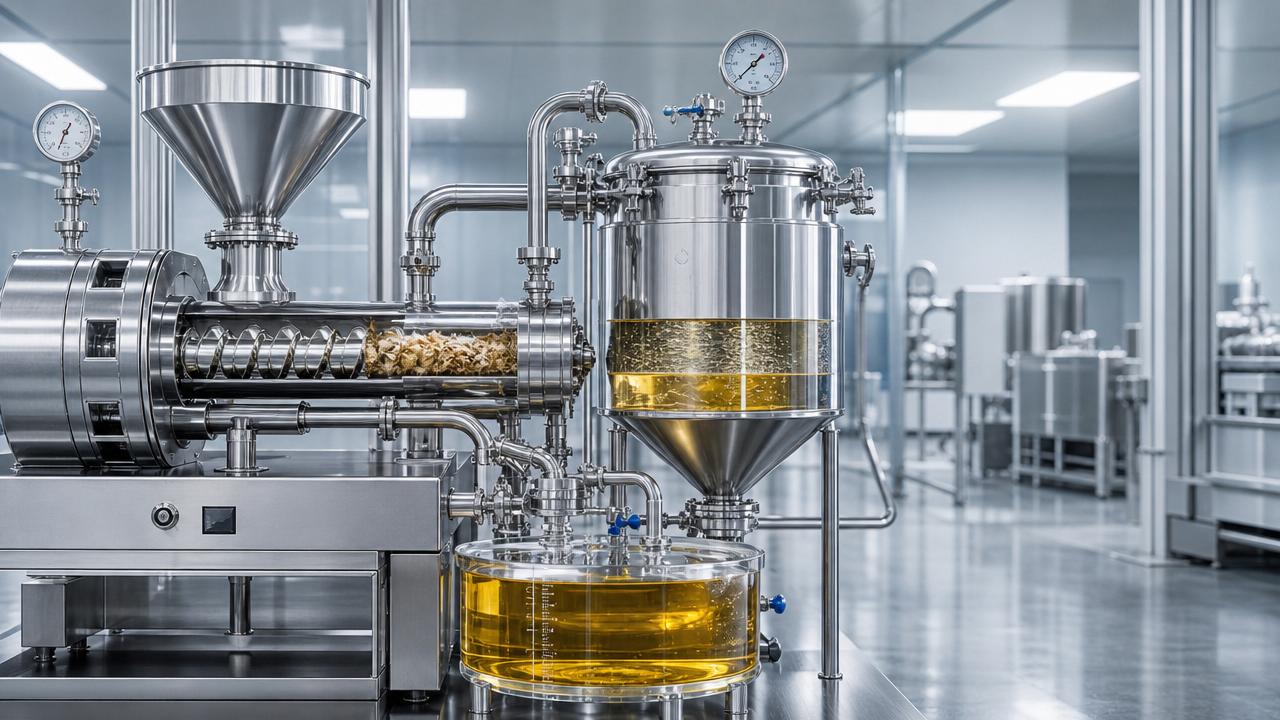
Fish Oil Extraction Machine: Yield and Maintenance Tips
A fish oil extraction machine is only as productive as the way it is operated, cleaned, and maintained.
For operators, small adjustments in temperature control, raw material handling, pressure settings, and routine inspection can directly affect oil yield, purity, downtime, and equipment lifespan.
This guide focuses on practical, shop-floor tips to help users improve extraction efficiency, reduce avoidable wear, and keep production stable while meeting consistent quality expectations.
What Operators Really Need From a Fish Oil Extraction Machine
Most users searching this topic want practical answers, not theory. They need better yield, fewer breakdowns, cleaner oil, and repeatable production results.
A fish oil extraction machine performs well when raw material quality, heating, pressing or centrifugation, separation, and cleaning are controlled together.
If one step is poorly managed, the machine may still run, but oil recovery, clarity, odor, and equipment reliability will decline.
Operators should treat the machine as a controlled production system. Daily habits often matter as much as the original equipment specification.
The best results usually come from standard operating procedures, measured adjustments, and quick correction when temperature, pressure, or flow becomes abnormal.
Start With Raw Material Quality Before Adjusting the Machine
Yield problems often begin before the fish oil extraction machine is switched on. Raw material freshness has a direct effect on oil recovery.
Fish offal, heads, frames, or whole fish should be processed quickly. Long storage increases oxidation, odor, free fatty acids, and emulsion formation.
Operators should avoid mixing fresh and degraded batches without documentation. Inconsistent input makes machine settings harder to control and results harder to explain.
Moisture content also matters. Excess water can reduce heating efficiency, increase separation difficulty, and carry oil away with the aqueous phase.
Before loading, remove foreign materials such as hooks, stones, plastic, or hard bones where possible. These can damage screws, screens, seals, and pumps.
Control Temperature Without Overheating the Oil
Temperature is one of the most important settings in fish oil extraction. Proper heating helps release oil from tissues and improves separation.
However, overheating can darken the oil, increase oxidation, damage nutritional value, and create stronger odors that are difficult to remove later.
Operators should follow the manufacturer’s recommended temperature range for the specific machine type, fish species, and intended oil quality grade.
Use calibrated temperature sensors rather than relying only on panel readings. A faulty probe can cause hidden overheating or incomplete cooking.
Watch for signs of excessive heat, including burnt odor, darkened residue, smoking, unusual foam, or oil that appears thicker than normal.
If yield drops while temperature rises, the problem may be emulsion, overcooking, or poor separation rather than insufficient heating capacity.
Pressure and Feed Rate: Small Changes, Big Yield Differences
Many operators increase pressure when yield looks low. This sometimes helps, but excessive pressure can create wear, blockage, or lower-quality discharge.
A fish oil extraction machine works best when feed rate and pressure are balanced. Overfeeding prevents proper heating, pressing, or separation.
If material exits too wet or oily, reduce feed rate first. Then adjust pressure gradually while observing discharge texture and oil flow.
Never make large setting changes without recording them. Small adjustments provide clearer feedback and reduce the risk of production interruptions.
Stable feeding is especially important for screw press systems. Irregular loading causes vibration, torque fluctuation, uneven pressure, and inconsistent oil release.
For centrifuge-based systems, excessive solids or unstable feed may reduce separation efficiency and overload bowls, filters, or downstream clarification equipment.
How to Improve Oil Yield Without Damaging the Machine
Higher yield should not come at the cost of broken parts or poor oil quality. Operators need a balanced extraction strategy.
First, keep raw material size consistent. Large chunks heat unevenly, while overly fine material may form paste and create separation problems.
Second, preheat material evenly before pressing or separating. Uneven heating leaves some oil trapped and may increase moisture in the oil stream.
Third, check whether discharge residue still contains visible oil. If it does, review feed speed, temperature, pressure, and screen condition.
Fourth, inspect filters and screens frequently. Clogged openings restrict oil flow and make operators misinterpret the issue as low extraction force.
Fifth, avoid chasing maximum yield every batch. The practical target is stable recovery with acceptable quality, reasonable energy use, and low wear.
Cleaning Routine That Prevents Odor, Blockage, and Contamination
Fish oil equipment can develop odor and contamination quickly if cleaning is delayed. Warm residues oxidize, harden, and attract microbial growth.
Operators should clean contact surfaces after each production cycle. Waiting until the next shift often makes residue removal more difficult.
Use cleaning agents approved for food or feed applications, depending on the final oil use. Avoid chemicals that corrode metal surfaces.
Pay close attention to corners, discharge outlets, screens, valves, and seals. These areas trap residues that later affect odor and hygiene.
After washing, rinse thoroughly and dry key areas. Remaining water may dilute oil, encourage corrosion, or contaminate the next batch.
Cleaning records should be simple but complete. Note time, responsible operator, detergent used, inspection result, and any abnormal residue found.
Daily Inspection Checklist for Operators
A short daily inspection can prevent expensive downtime. Operators should check the machine before loading raw material into the system.
Start with visual inspection. Look for leaks, loose bolts, cracked hoses, worn belts, damaged guards, abnormal residue, or oil around bearings.
Next, listen during startup. Grinding, knocking, squealing, or uneven vibration may indicate misalignment, bearing wear, belt slipping, or foreign material.
Check lubrication points according to the maintenance manual. Too little lubrication causes wear, while too much can attract dirt or contaminate products.
Confirm that temperature controllers, pressure gauges, flow meters, and emergency stops are working. These devices protect both yield and operator safety.
At the end of the shift, record any abnormal reading. Small trends often reveal a developing problem before failure occurs.
Weekly and Monthly Maintenance Tasks That Reduce Downtime
Daily checks are not enough for long-term reliability. Weekly and monthly maintenance should focus on wear parts and mechanical alignment.
Inspect screws, plates, screens, gaskets, seals, and bearings for wear. Fish bones and hard particles can gradually reduce their service life.
Check drive components, including belts, chains, couplings, and gearboxes. Loose or worn transmission parts reduce efficiency and increase vibration.
For machines with hydraulic systems, inspect oil level, hoses, fittings, and pressure stability. Contaminated hydraulic oil can cause unstable operation.
For centrifuge systems, bowl balance and cleaning are critical. Deposited solids can create vibration and reduce separation quality quickly.
Plan replacement of consumable parts instead of waiting for failure. Scheduled downtime is usually cheaper than emergency repair during production.
Common Yield Problems and Likely Causes
If oil output drops suddenly, first check raw material changes. Different species, freshness, moisture, and fat content can affect recovery.
If residue remains oily, the likely causes include low temperature, fast feeding, worn press components, blocked screens, or insufficient retention time.
If oil looks cloudy, water and fine solids may be entering the stream. Review heating, separation, filtration, and settling procedures.
If the machine overheats, check lubrication, bearing condition, blocked passages, overloaded feed, or cooling system performance where applicable.
If vibration increases, stop and inspect immediately. Vibration may come from imbalance, loose fasteners, damaged bearings, or foreign objects.
Operators should troubleshoot one variable at a time. Changing temperature, pressure, and feed rate together makes the true cause harder to identify.
Oil Quality: Yield Is Not the Only Performance Measure
A high-yield batch is not successful if the oil is dark, oxidized, contaminated, or unsuitable for the intended application.
Operators should monitor color, odor, moisture, sediment, and temperature history. These indicators provide quick feedback before laboratory testing is completed.
For higher-value applications, oxidation control becomes especially important. Reduce unnecessary air exposure, overheating, long holding times, and dirty storage conditions.
Use clean containers and closed transfer lines where possible. Poor handling after extraction can undo careful operation inside the machine.
Oil quality targets should be defined before production. Feed-grade, industrial, refined, or nutraceutical uses may require different operating priorities.
Safety Practices Operators Should Not Ignore
A fish oil extraction machine involves heat, moving parts, pressure, steam, and slippery surfaces. Safety must be part of normal operation.
Operators should never open guards, covers, or access panels while the machine is running, unless the design specifically allows safe inspection.
Use lockout procedures before cleaning, clearing blockage, or replacing parts. Unexpected startup is one of the most serious maintenance hazards.
Wear proper gloves, eye protection, and anti-slip footwear. Hot oil, steam, cleaning chemicals, and wet floors all create injury risks.
Keep walkways dry and remove oil spills immediately. Slips are common in fish processing areas and can cause severe injuries.
Training should include emergency stops, shutdown sequence, burn response, and safe handling of cleaning chemicals and pressurized components.
When to Call Maintenance or Stop Production
Operators should not keep running the machine when symptoms suggest serious failure. Continuing production may turn a minor issue into major damage.
Stop the machine if vibration becomes severe, smoke appears, temperature rises abnormally, or unusual metal noise is heard.
Also stop if oil leaks near electrical components, hydraulic pressure becomes unstable, or safety guards cannot be secured properly.
Call maintenance when repeated adjustments no longer restore yield. Persistent problems often involve worn parts, sensor error, or mechanical misalignment.
Good operators protect output by knowing when not to run. Preventing damage is part of production efficiency, not a delay.
Building a Simple Operating Record for Better Results
Many yield problems repeat because operators lack useful records. A simple production log can make troubleshooting faster and more accurate.
Record raw material type, batch weight, storage time, temperature setting, feed rate, pressure, oil output, residue condition, and cleaning status.
These records help identify patterns. For example, lower yield may appear only with wetter batches or after screens approach cleaning limits.
Supervisors can also compare shifts more fairly. Data separates machine problems from process variation and operator technique differences.
Over time, the best settings become clearer. Operators can build practical reference ranges for common raw materials and production targets.
Final Takeaway: Stable Operation Creates Stable Yield
A fish oil extraction machine delivers the best results when operators control the whole process, not only the machine panel.
Fresh raw material, correct temperature, balanced feed, clean screens, routine inspection, and timely maintenance all contribute to higher usable yield.
The most reliable plants do not depend on guesswork. They use consistent procedures, clear records, and quick response to abnormal signs.
For operators, the practical goal is simple: extract more usable oil, protect quality, reduce downtime, and extend equipment life.
When daily operation and maintenance are disciplined, the machine becomes more predictable, safer to run, and more profitable over time.