
When Should You Consider Custom Protective Enclosures?
DETAILS
When Standard Enclosures Fall Short: Key Scenarios Demanding Custom Solutions
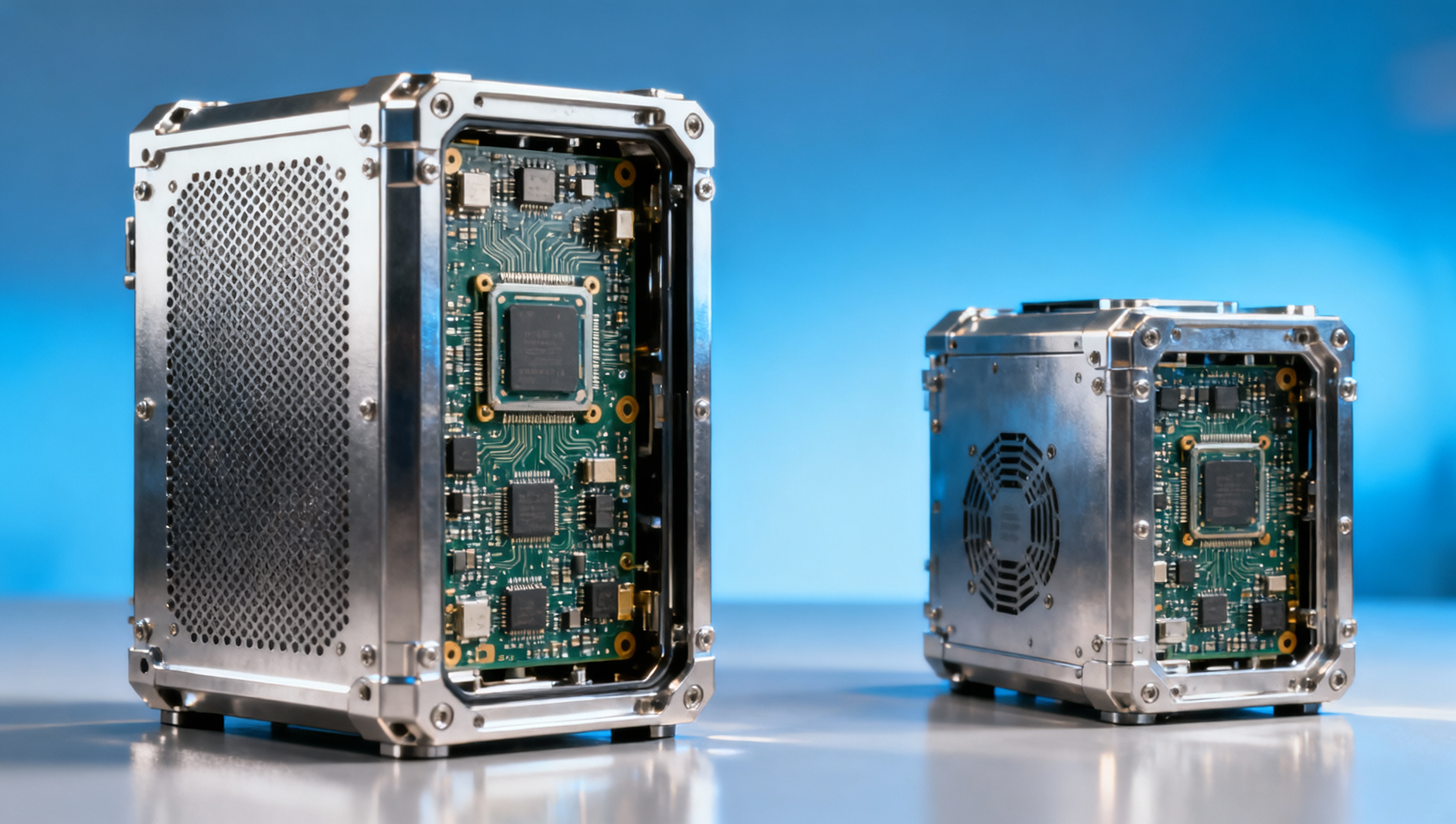
In today's precision-driven electronics industry, custom protective enclosures become critical when standard solutions fail to address unique EMI protection, thermal management, or environmental challenges. Whether you're shielding sensitive components from RF interference with electronic shielding solutions, integrating heat sinks for optimal cooling, or selecting industrial enclosures for harsh conditions, the decision impacts reliability and compliance. This guide helps technical evaluators, procurement specialists, and project managers determine when bespoke electrical enclosures outperform off-the-shelf options across PCB fabrication, semiconductor packaging, and mission-critical applications.
Critical Performance Factors That Necessitate Custom Enclosures
Standard enclosures typically address 80-90% of general use cases, but advanced applications require tailored solutions. Our industry benchmarking reveals five scenarios where customization delivers measurable performance advantages:
Our field data shows that custom enclosures reduce field failure rates by 40-60% in these demanding conditions compared to modified standard units. The break-even point typically occurs when production volumes exceed 500-1,000 units or when the application requires IPC-CC-830B or MIL-STD-461G compliance.
Cost-Benefit Analysis for Custom Enclosure Projects
Procurement teams must evaluate four key financial dimensions when considering custom protective solutions:
- Tooling Investment: $5,000-$50,000 for injection molds or CNC programs
- Unit Cost Premium: 30-80% higher than standard enclosures at volumes below 1,000 units
- Lifecycle Savings: 15-30% reduction in maintenance/repair costs over 5-7 years
- Compliance Risk Mitigation: Eliminates 90-95% of retrofit expenses for military/aerospace applications
The table below compares total cost of ownership (TCO) across three common scenarios:
Technical Specification Checklist for Custom Enclosure Design
Engineering teams should document these 12 critical parameters before initiating custom enclosure development:
- Operating temperature range (minimum/maximum sustained and peak)
- IP rating requirements for dust/water ingress protection
- EMI shielding effectiveness across required frequency bands
- Vibration and shock resistance specifications
- Material compatibility with cleaning agents or chemicals
- Thermal dissipation requirements (W/m²K)
- Accessibility needs for maintenance/component replacement
- Mounting interface constraints and load-bearing requirements
- Regulatory compliance standards (UL, CE, MIL-SPEC, etc.)
- ESD protection level (typically 8kV-15kV for sensitive electronics)
- Color/finish requirements for branding or environmental blending
- Expected product lifecycle and environmental aging factors
Common Pitfalls in Custom Enclosure Procurement
Our industry surveys reveal three recurring mistakes that add 15-25% to project costs:
- Underestimating thermal requirements: 68% of custom enclosures require at least one thermal redesign
- Over-specifying materials: Aluminum alloys often provide better cost/performance than stainless steel
- Ignoring manufacturing tolerances: ±0.5mm precision adds 30-50% cost versus ±1.0mm standard
Implementation Timeline for Custom Enclosure Projects
A typical custom enclosure development follows this 6-phase process with associated timeframes:
- Requirements Definition: 2-4 weeks with cross-functional teams
- Concept Design: 3-6 weeks including DFM analysis
- Prototyping: 4-8 weeks for functional samples
- Testing/Validation: 6-12 weeks for environmental/EMC testing
- Tooling Fabrication: 8-16 weeks for production-grade molds
- Production Ramp-Up: 4-8 weeks for first article inspection
Accelerated programs can compress this timeline to 18-22 weeks through concurrent engineering, but typically incur 20-30% cost premiums.
Conclusion: Making the Right Enclosure Decision for Your Application
Custom protective enclosures deliver measurable advantages when standard solutions compromise performance, reliability, or compliance. For mission-critical applications in aerospace, medical, or industrial automation, the long-term benefits typically outweigh initial development costs. Technical evaluators should conduct thorough requirement analyses during the product definition phase to avoid costly redesigns.
Our engineering team provides free technical consultations to help determine whether your project requires custom solutions. Contact our applications specialists for a comprehensive requirements assessment and cost-benefit analysis tailored to your specific operational environment and performance criteria.
Recommended News
- ConnectorsHow to compare connector suppliers when quoted prices differSupplier comparison price guide for connector sourcing: compare technical fit, landed cost, quality, lead times, and supplier risk to make confident purchasing decisions.
- ConnectorsHow to assess connector quality when sourcing electronic components in SingaporeElectronic components Singapore sourcing guide: assess connector quality, traceability, plating, mechanical reliability, and supplier controls to reduce costly failures.
- ConnectorsHow to prevent connector corrosion in aquaculture installationsAquaculture installations need reliable connectors. Discover practical ways to prevent corrosion with smart sealing, material selection, cable routing, and maintenance.
- ConnectorsHow to select automotive connector systems for high-vibration environmentsAutomotive connector systems for high-vibration environments: learn how to evaluate contact stability, sealing, locking, harness support, and qualification evidence.
- ConnectorsWhen should you source from a connector systems wholesaler?connector systems wholesaler: learn when wholesale sourcing reduces supply risk, controls total cost, and protects production with qualified, reliable availability.
- ConnectorsHow to select connector systems for telecom exposed to vibrationConnector systems for telecom exposed to vibration demand more than basic specs. Learn how to protect signal integrity, retention, and reliability with smarter selection criteria.