
High-Temperature Wire Connectors: What to Look For
DETAILS
High-Temperature Wire Connectors: What to Look For
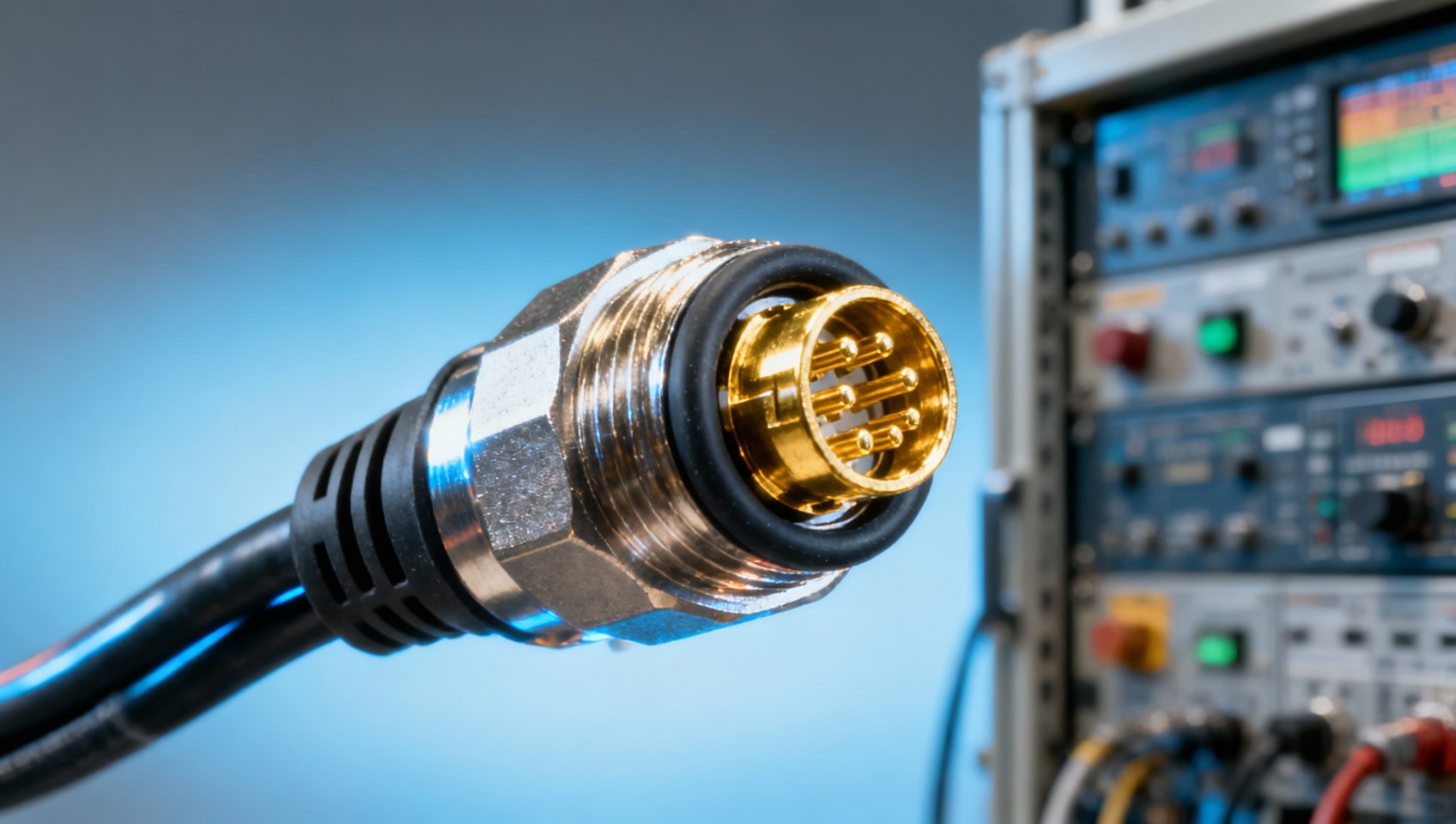
In demanding industrial environments, high-temperature wire connectors play a critical role in maintaining signal integrity and EMI protection while withstanding extreme thermal stress. This guide examines key selection criteria for engineers and procurement specialists evaluating electrical connectors for harsh applications—from RF shielding performance to thermal enclosure compatibility. Discover how premium industrial connectors balance durability with precision to meet IPC-Class 3 reliability standards.
1. Understanding High-Temperature Connector Requirements
High-temperature wire connectors are engineered to operate reliably in environments exceeding 150°C, with specialized variants rated for 250°C+ in aerospace and automotive applications. Unlike standard connectors, these components must maintain electrical continuity while resisting thermal degradation of insulation materials and contact surfaces.
Critical industries requiring these solutions include:
- Oil & gas downhole instrumentation (175–200°C continuous)
- Industrial furnace control systems (200–300°C intermittent)
- Electric vehicle battery management (150–180°C with thermal cycling)
- Aerospace engine monitoring (250°C+ with vibration stress)
The table above illustrates how temperature requirements vary significantly across industries, necessitating tailored material selections and design approaches for each use case.
2. Material Science Behind High-Temp Performance
Connector longevity under thermal stress depends on three material systems: contact alloys, insulation compounds, and housing polymers. Premium connectors use beryllium copper or nickel alloys for contacts, maintaining stable conductivity despite thermal expansion.
Insulation materials follow a hierarchy of thermal tolerance:
- Standard PVC: 105°C maximum
- Cross-linked polyethylene (XLPE): 150°C
- Silicone rubber: 180–200°C
- PTFE/Teflon: 260°C continuous
- Ceramic-filled composites: 300°C+
2.1 Contact Plating Considerations
Gold plating (0.75–2.5µm) remains the benchmark for high-reliability applications, though selective plating strategies can reduce costs. Silver plating offers better thermal conductivity but oxidizes above 120°C unless protected by specialty coatings.
3. Key Technical Specifications for Evaluation
Procurement teams should verify these eight critical parameters when sourcing high-temperature connectors:
Beyond these baseline requirements, aerospace and military applications often demand additional testing for outgassing (NASA-STD-6012) and salt spray corrosion (ASTM B117).
4. Design Features for Harsh Environments
Premium high-temperature connectors incorporate specific design elements to combat environmental challenges:
4.1 Sealing Technologies
Multi-barrier sealing systems combine:
- Radial O-rings (FKM or FFKM elastomers)
- Thermally stable potting compounds
- Compression gaskets for flange-mounted connectors
4.2 Strain Relief Mechanisms
Proper cable retention becomes critical at high temperatures where polymer stiffness decreases. Optimal designs feature:
- Double-crimp strain relief sleeves
- Metallic overbraid termination
- 90° bend protection for panel-mounted units
5. Procurement Best Practices
Technical buyers should implement these evaluation steps when sourcing high-temperature connectors:
- Verify third-party test reports for claimed temperature ratings
- Request material certifications (RoHS, REACH, UL files)
- Evaluate supplier's quality systems (ISO 9001, AS9100, IATF 16949)
- Conduct sample testing under actual operating conditions
- Audit manufacturing processes for critical steps like contact plating
Leading manufacturers typically provide accelerated life testing data showing performance after 1,000–2,000 hours at maximum rated temperature.
6. Industry Trends and Future Developments
Emerging technologies are reshaping high-temperature connector design:
- Nano-ceramic coatings for oxidation resistance at 300°C+
- Additive manufacturing of complex cooling geometries
- Smart connectors with embedded temperature sensors
- Hybrid optical/electrical contacts for extreme EMI environments
Conclusion and Next Steps
Selecting the right high-temperature wire connector requires balancing thermal performance, mechanical reliability, and long-term cost of ownership. By focusing on material specifications, design features, and supplier qualifications, engineering teams can mitigate failure risks in critical applications.
For customized recommendations based on your specific temperature, vibration, and chemical exposure requirements, consult with our technical specialists to review application case studies and testing protocols.
Recommended News
- Power SemiHow to reduce lead-time risk in 24V component sourcing24V component sourcing made resilient: learn how to qualify alternates, verify lead times, control quality risk, and keep production moving.
- Power SemiWhich semiconductor quality metrics best predict field reliability?Semiconductor quality metrics that best predict field reliability: evaluate parametric drift, stress-test relevance, package integrity, screening coverage, and true mission-profile margin.
- Power SemiWhat Is the Biggest Risk of Skipping Power Electronics Supplier Audits?What is the biggest risk when skipping supplier audits for power electronics? Hidden reliability failures, weak traceability, and costly field failures. Learn how audits protect quality.
- Power SemiHow to qualify semiconductor power devices for reliable switching performanceSemiconductor quality power devices: learn how to qualify switching margins, thermal reliability, gate-drive behavior, and production consistency for demanding converters.
- Power SemiHow to Evaluate Energy Saving Semiconductor Solutions for High-Efficiency Power DesignEnergy saving semiconductor solutions for high-efficiency power design: learn how to compare loss, thermal, EMI, reliability, and supply chain factors to choose the right device.
- Power SemiHow to Evaluate a Power Semiconductors Distributor for Supply Stability and TraceabilityPower semiconductors distributor evaluation guide: learn how to verify supply stability, traceability, sourcing controls, and documentation to reduce risk and choose a reliable partner.