
High Temperature PCB Reliability Problems Near Power Devices
DETAILS
High temperature PCB failures often begin where heat density peaks—near power devices, LEDs, and high-current paths. For engineers, buyers, and quality teams comparing PCB for LED lighting, aluminum PCB, heavy copper PCB, low loss PCB, or high speed PCB options, understanding thermal reliability is critical. This article examines key failure mechanisms, design tradeoffs, and sourcing factors that influence PCB OEM selection, PCB quotation accuracy, and long-term performance in demanding applications, including PCB for military use.
Why do high temperature PCB reliability problems cluster near power devices?
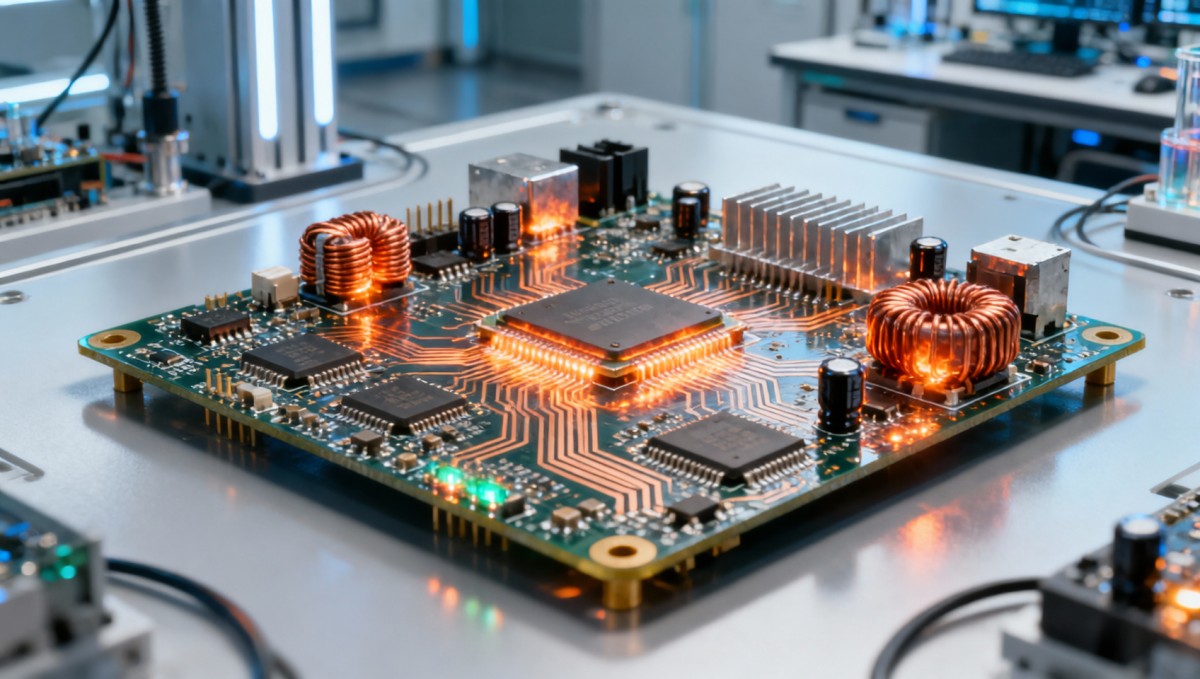
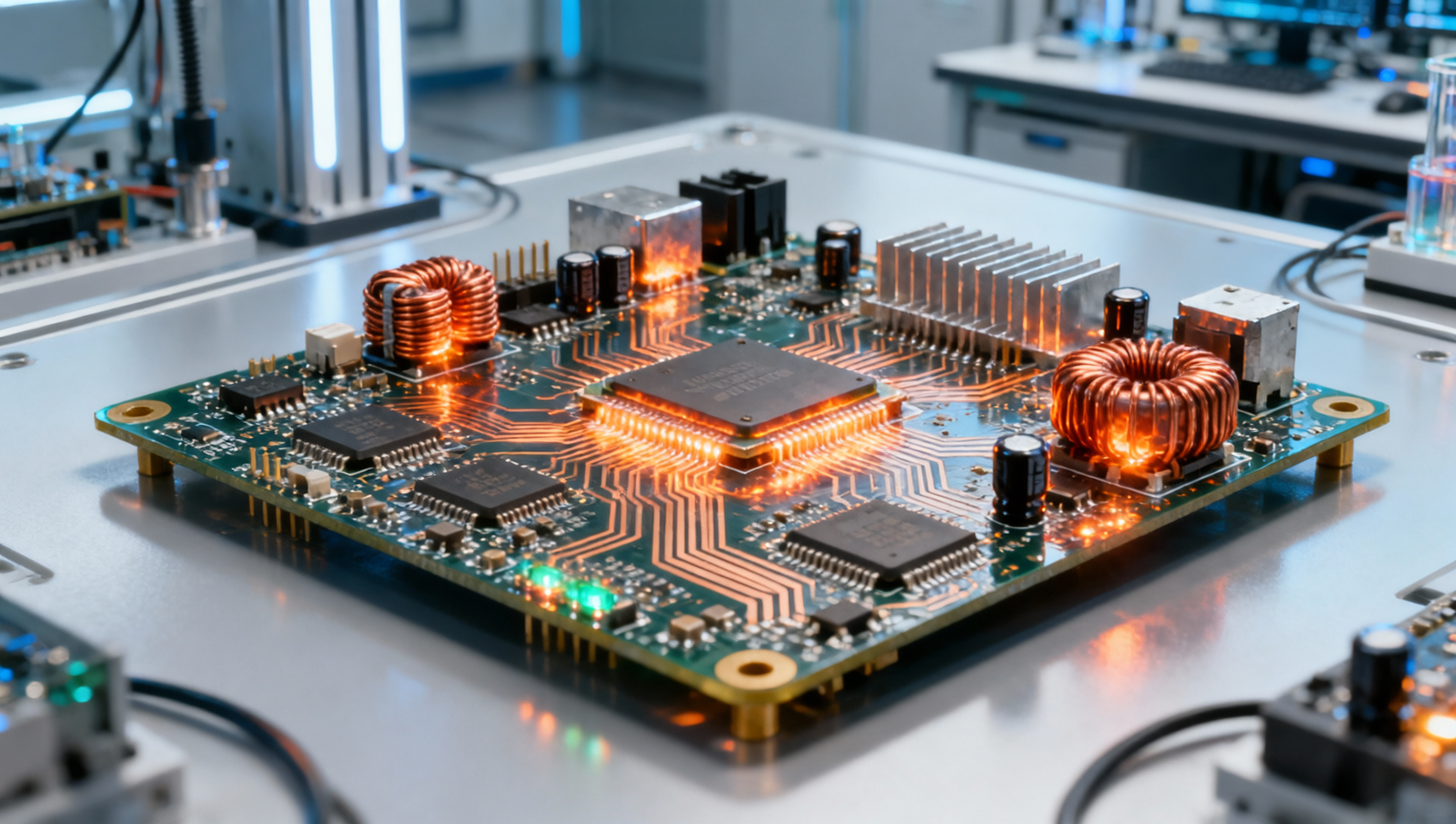
In real assemblies, the board area next to MOSFETs, IGBTs, power modules, LED arrays, rectifiers, shunt resistors, and DC-DC converters experiences the highest thermal cycling stress. Junction temperatures may rise and fall within minutes, while the PCB substrate, copper planes, solder joints, vias, and surface finishes expand at different rates. That mismatch is often the starting point for reliability loss rather than a single catastrophic event.
For technical evaluators and procurement teams, the issue is not only whether a PCB can survive a short thermal peak. The more important question is whether it can maintain electrical stability, pad adhesion, insulation integrity, and plated through-hole reliability after 500, 1,000, or 2,000 thermal cycles within the intended duty profile. A board that passes room-temperature inspection may still fail in field use if the heat source sits too close to vulnerable stack-up features.
This matters across industries because thermal stress is not limited to automotive or defense electronics. Industrial drives, LED lighting, telecom power shelves, energy storage controls, medical power modules, and ruggedized embedded systems all expose boards to repeated operating windows such as 60℃–105℃ ambient zones, localized hotspots above 120℃, or intermittent startup surges that intensify copper and laminate fatigue.
SiliconCore Metrics (SCM) approaches this problem from a benchmarking perspective. Instead of treating hardware as a commodity, SCM analyzes measurable factors such as dielectric behavior in multilayer constructions, SMT placement tolerance, and long-term component reliability under environmental stress. That is especially useful when PCB OEM candidates offer similar quotations but very different thermal design discipline, process controls, and documentation quality.
The most common thermal failure mechanisms
Most high temperature PCB reliability problems near power devices can be traced to 4 interacting mechanisms rather than one isolated defect. Engineers should assess the board, the assembly process, and the operating profile together.
- Copper-to-laminate stress: heavy current traces and large copper pours expand differently from the resin system, increasing the risk of pad lifting, resin cracking, or inner-layer separation after repeated heating.
- Via fatigue and barrel cracking: plated through-holes near heat sources face axial stress during thermal cycling, especially in thick boards, high aspect ratio vias, or stack-ups with poor resin stability.
- Solder joint degradation: large packages and bottom-terminated components close to hotspots can experience solder grain coarsening, intermetallic growth, and fatigue-related opens.
- Insulation and dielectric drift: prolonged high temperature exposure may change dielectric loss, CAF resistance behavior, or insulation margins, affecting both power and signal performance.
These mechanisms explain why a low loss PCB or high speed PCB may still underperform if thermal design is weak. Electrical performance and thermal reliability must be evaluated together, especially in multilayer mixed-signal products where power stages sit close to sensitive routing.
Which PCB types handle thermal stress better in real applications?
Different PCB constructions solve different thermal problems. Buyers often compare aluminum PCB, heavy copper PCB, standard FR-4 multilayer, low loss PCB, and specialized constructions for military or industrial electronics. The right choice depends on heat source density, continuous current, dielectric requirements, assembly method, and repairability over a 3-year to 10-year service life.
An aluminum PCB is often effective for PCB for LED lighting because it spreads heat efficiently across a metal base. A heavy copper PCB may be better for power conversion where 2 oz to 6 oz outer copper improves current handling. A low loss PCB or high speed PCB becomes relevant when thermal management must coexist with controlled impedance and stable dielectric behavior at elevated temperatures.
However, no material category is automatically superior in every case. For example, aluminum PCB options can simplify heat spreading but may limit multilayer routing flexibility. Heavy copper PCB structures support current and thermal mass, yet they can complicate etching precision, assembly profile control, and via reliability if the design is not balanced.
The table below helps cross-functional teams compare typical thermal behavior, design tradeoffs, and sourcing considerations before requesting a PCB quotation.
This comparison shows why selection should not be based on material labels alone. A technically suitable board for one thermal profile may become risky in another if copper thickness, via structure, ambient airflow, or rework frequency changes. SCM’s benchmark-driven approach helps teams compare these tradeoffs using measurable criteria rather than supplier claims alone.
Application scenarios that require tighter thermal scrutiny
The following scenarios usually justify deeper reliability review during technical evaluation and sourcing:
- Continuous operation above 8–16 hours per day, where cumulative thermal aging becomes more important than peak temperature alone.
- Frequent startup-stop cycles, often 3–20 cycles per day, which accelerate expansion and contraction stress around power packages.
- Dense boards combining power and data functions, where high speed PCB routing is placed within a short distance of hot regulators or drivers.
- Harsh-use sectors including industrial control, outdoor LED, energy systems, and PCB for military use where operating margins are expected to remain stable over extended field life.
When one or more of these conditions apply, the PCB quotation process should request more than a price and nominal stack-up. It should include thermal assumptions, copper distribution notes, acceptable process windows, and reliability-relevant documentation.
What should engineering, quality, and procurement check before approving a PCB OEM?
A reliable PCB OEM decision requires coordination across R&D, sourcing, quality, and project management. Many failures begin because the quotation stage compresses technical review into a few line items: layer count, board thickness, copper weight, and lead time. For heat-critical products, that is not enough. Teams should review at least 5 core dimensions before board release.
First, verify the material system. Tg alone is not a complete thermal reliability indicator. Resin stability, z-axis expansion behavior, and compatibility with thermal cycling matter more when vias sit near power semiconductors. Second, inspect copper balance and plane distribution. Uneven copper can intensify localized warpage and resin stress during both assembly and field operation.
Third, examine hole quality and plating robustness. Thick boards, stacked vias, and high current zones demand tighter process consistency. Fourth, confirm assembly interaction. A board designed for high copper mass may still fail if reflow, wave, or selective solder profiles are poorly aligned. Fifth, ensure documentation discipline, including IPC acceptance criteria, change control, and traceable process records.
For global buyers evaluating Asian manufacturing sources, SCM provides value by translating complex fabrication and assembly parameters into comparable, standardized reports. That reduces supply chain risk for procurement executives who must compare 2–5 PCB OEM candidates within tight launch schedules.
A practical 6-point sourcing checklist
The checklist below is useful before RFQ release, sample approval, or supplier onboarding for boards exposed to elevated thermal stress.
This checklist is particularly useful when comparing multiple suppliers with similar pricing. The lowest PCB quotation may omit process assumptions that later create delays, ECO loops, or higher field return risk. A more transparent quote often supports better total cost control over 6–18 months of product ramp.
Three warning signs during supplier evaluation
- The supplier gives a thermal-capable quote without asking about duty cycle, hotspot location, current path width, or assembly profile.
- The stack-up recommendation changes cost but not the explanation of dielectric, copper balance, or long-term heat exposure behavior.
- Quality documents focus on outgoing inspection only and do not show process traceability or control points for hole plating, lamination, and SMT precision.
These signals do not prove a supplier is unsuitable, but they justify deeper review before commercial approval or distributor commitment.
How do standards, test planning, and lifecycle assumptions reduce thermal failure risk?
Standards do not guarantee field success, but they create a common language for reliability expectations. For high temperature PCB applications, teams usually reference IPC workmanship criteria, internal thermal cycling plans, material specifications, and quality system controls such as ISO 9001. In regulated or defense-adjacent programs, documentation rigor and change control can be as important as the nominal material grade.
A practical approach is to define reliability in 3 stages: prototype screening, pilot validation, and volume monitoring. During prototype, the goal is to identify obvious thermal weak points in layout, package placement, via structure, and copper spreading. During pilot, teams validate process repeatability across small lots. During volume, they monitor drift, lot variation, and field feedback over each quarter or release cycle.
For products involving PCB for military use, industrial controls, or safety-relevant power electronics, a conservative design margin is often more valuable than a nominally higher-performance material used without validation. Buyers should ask what assumptions support the declared operating window: continuous temperature, peak dwell time, rework allowance, storage exposure, and acceptable variation across 2–3 production batches.
SCM supports this decision process by converting technical variables into benchmarking and compliance-oriented insight. That is useful for corporate decision-makers who need a defensible basis for approving vendors, setting incoming inspection rules, or negotiating sourcing strategy with distributors and EMS partners.
What a realistic validation plan should include
A realistic validation plan for thermally stressed boards should cover more than a single heat test. At minimum, it should connect the board design, assembly conditions, and expected field duty.
- Define 3 thermal zones on the board: hotspot area, transition area, and nominal area. This helps separate local package heating from overall ambient behavior.
- Run thermal cycling or equivalent screening over a meaningful range, such as low-to-high operational boundaries aligned with the product environment rather than only room-temperature checks.
- Inspect 4 risk points after stress: via integrity, solder joint condition, pad adhesion, and insulation performance near high-current spacing.
- Review 2 sets of data together: fabrication quality indicators and assembly process records. Failures often originate from their interaction, not from one side alone.
When these steps are built into supplier qualification, the organization gains more reliable quotation comparisons, fewer late-stage engineering changes, and better confidence in long-term thermal performance.
Common misconceptions, FAQ, and the next step for sourcing teams
Many sourcing delays happen because teams simplify the thermal problem into one variable: board material, copper thickness, or unit price. In reality, high temperature PCB reliability near power devices depends on a chain of choices that includes layout spacing, via design, stack-up symmetry, assembly profile, inspection criteria, and realistic lifecycle assumptions. The FAQ below addresses common decision points raised by engineers, quality teams, purchasers, and distributors.
These questions also reflect search behavior seen in technical procurement: how to choose between aluminum PCB and heavy copper PCB, when a low loss PCB or high speed PCB is still necessary near hot components, what to ask during PCB quotation review, and how to judge whether a PCB OEM understands thermal reliability beyond the datasheet.
For organizations balancing speed, cost, and risk, the most effective next step is usually a structured technical review before RFQ finalization. That is where independent benchmarking and engineering interpretation create practical value.
Is a higher Tg material enough to solve high temperature PCB problems?
Not by itself. Higher Tg can support better thermal stability, but it does not automatically solve via fatigue, copper imbalance, pad adhesion risk, or solder fatigue near power packages. Teams should review at least 4 linked factors: resin behavior through the thickness, copper distribution, assembly temperature profile, and expected thermal cycling count. A material upgrade without layout and process review can raise cost without delivering proportional field reliability.
How should buyers compare PCB quotation offers for thermally stressed boards?
Compare both price and technical scope. A reliable PCB quotation should clarify stack-up assumptions, copper weight, surface finish, thermal via expectations, test scope, prototype versus volume lead time, and any limitations on board thickness or panel design. Typical prototype cycles may range from 7–15 days, while pilot or volume schedules may extend to 2–4 weeks depending on layer count and process complexity. If the quote is fast but technically vague, risk usually moves downstream.
When is aluminum PCB a better choice than heavy copper PCB?
Aluminum PCB is often preferable when the main challenge is efficient heat spreading from localized sources such as LED clusters or compact linear power devices. Heavy copper PCB is usually stronger when current carrying capacity, wide copper buses, and power distribution robustness are the main priorities. In mixed-function boards, neither option may be sufficient alone, and a multilayer structure with dedicated thermal paths may be the better engineering answer.
Why do high speed PCB designs still need thermal review?
Because signal integrity and thermal stability are linked in dense electronics. Heat can shift dielectric behavior, alter impedance stability, stress reference plane continuity, and increase risk around power-delivery components located near fast interfaces. A high speed PCB used in networking, compute, or telecom equipment should be reviewed for both electrical and thermal margins, especially if hotspots exceed normal office-electronics conditions.
Why choose SCM for thermal reliability benchmarking and sourcing support?
SCM supports organizations that need more than a generic supplier introduction. As an independent technical think tank and engineering repository for the semiconductor and EMS supply chain, SCM helps global R&D teams, procurement leaders, quality managers, and project owners compare PCB OEM capabilities using data-driven benchmarking. That is especially valuable when thermal management, signal integrity, and micro-tolerance performance all influence sourcing decisions.
If your team is reviewing PCB for LED lighting, aluminum PCB, heavy copper PCB, low loss PCB, high speed PCB, or boards intended for harsh-duty and military-adjacent environments, SCM can help clarify what matters before commercial commitment. Typical consultation topics include 5 practical areas: stack-up parameter confirmation, supplier comparison logic, quotation scope review, compliance expectations, and thermal-reliability risk mapping.
You can engage SCM for support on sample-stage decisions, vendor shortlisting, quality benchmarking, or report-based evaluation of fabrication and SMT process discipline. This is particularly useful when internal teams need an independent basis for choosing between 2–4 supply options under schedule pressure.
Contact SCM to discuss your target operating temperature range, board structure, power-device layout, expected delivery window, certification or documentation needs, and quotation comparison challenges. With that input, SCM can help you define a more reliable evaluation path for thermal performance, sourcing risk, and long-term product stability.
Recommended News
- Power SemiHow to reduce lead-time risk in 24V component sourcing24V component sourcing made resilient: learn how to qualify alternates, verify lead times, control quality risk, and keep production moving.
- Power SemiWhich semiconductor quality metrics best predict field reliability?Semiconductor quality metrics that best predict field reliability: evaluate parametric drift, stress-test relevance, package integrity, screening coverage, and true mission-profile margin.
- Power SemiWhat Is the Biggest Risk of Skipping Power Electronics Supplier Audits?What is the biggest risk when skipping supplier audits for power electronics? Hidden reliability failures, weak traceability, and costly field failures. Learn how audits protect quality.
- Power SemiHow to qualify semiconductor power devices for reliable switching performanceSemiconductor quality power devices: learn how to qualify switching margins, thermal reliability, gate-drive behavior, and production consistency for demanding converters.
- Power SemiHow to Evaluate Energy Saving Semiconductor Solutions for High-Efficiency Power DesignEnergy saving semiconductor solutions for high-efficiency power design: learn how to compare loss, thermal, EMI, reliability, and supply chain factors to choose the right device.
- Power SemiHow to Evaluate a Power Semiconductors Distributor for Supply Stability and TraceabilityPower semiconductors distributor evaluation guide: learn how to verify supply stability, traceability, sourcing controls, and documentation to reduce risk and choose a reliable partner.