
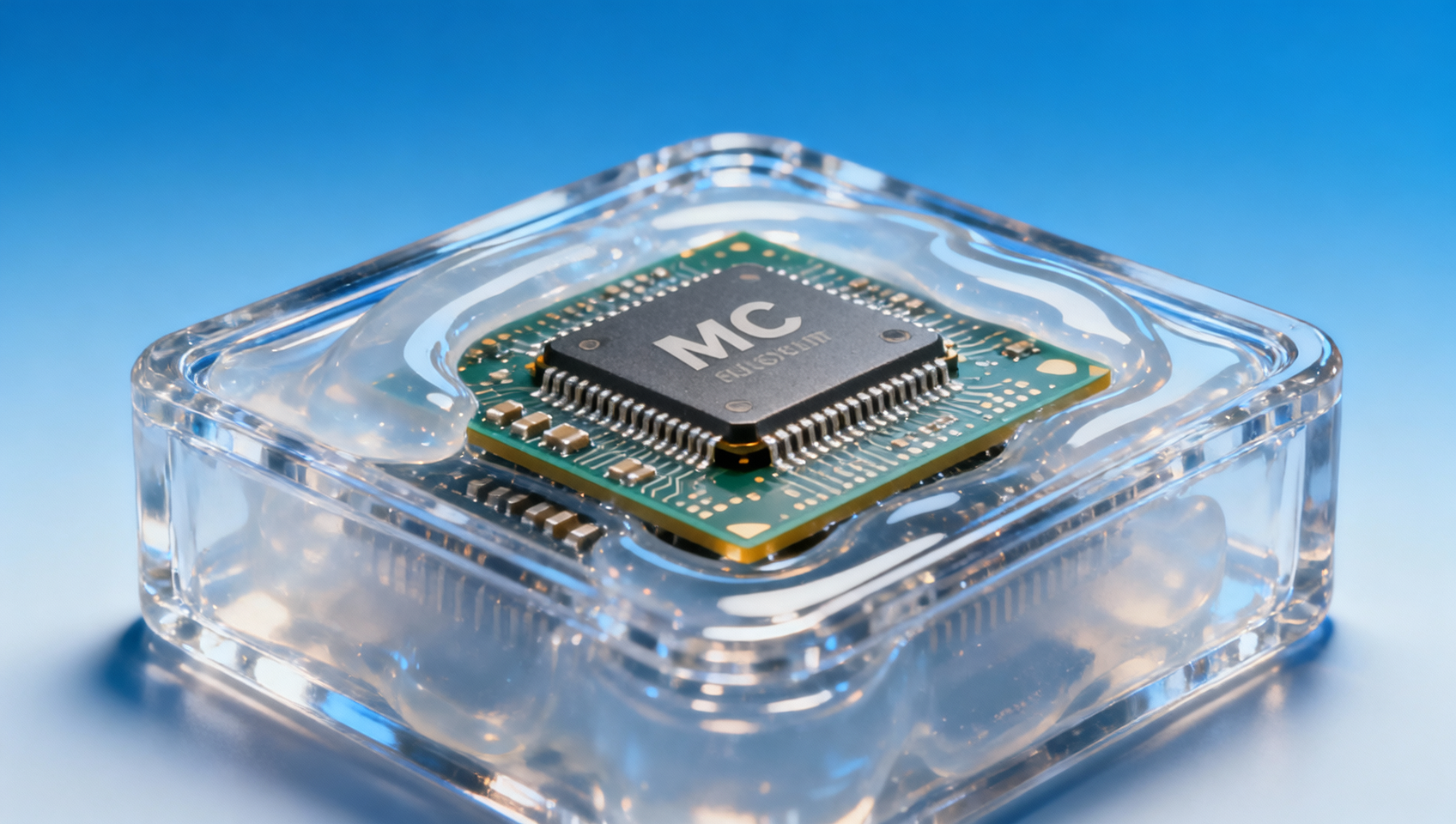
The role of potting compounds in protecting MCUs from shock
DETAILS
The Critical Role of Potting Compounds in MCU Protection
In today's demanding industrial environments, protecting sensitive MCUs from mechanical shock is critical for long-term reliability. Silicone potting and epoxy potting compounds have emerged as essential industrial adhesives for electronic encapsulation, forming a protective barrier against vibrations and impacts. This article explores how advanced potting compounds safeguard microcontrollers while maintaining optimal thermal and electrical performance – crucial knowledge for procurement professionals and end-users seeking durable electronic solutions.
Understanding Mechanical Shock Threats to MCUs
Microcontroller units (MCUs) face increasing mechanical stress in applications ranging from automotive systems to industrial automation. Shock forces exceeding 50G can cause solder joint fractures, wire bond failures, or package cracking in unprotected components. Field studies show that 23% of electronic failures in harsh environments originate from mechanical shock damage.
The vulnerability of MCUs stems from their complex internal structures:
- Delicate wire bonds connecting die to package (typically 25-50μm diameter)
- Thin silicon die (often 200-300μm thickness)
- Multiple material interfaces with differing thermal expansion coefficients
Potting Compound Material Selection Guide
Choosing the right potting compound requires balancing shock absorption with thermal and electrical properties. The two primary material families – silicones and epoxies – each offer distinct advantages for MCU protection:
Silicone Potting Compounds
Silicones excel in applications requiring flexibility and thermal cycling resistance. Their low modulus (typically 0.5-5 MPa) allows excellent vibration damping, absorbing up to 90% of shock energy before it reaches the MCU. Modern silicone formulations maintain stable dielectric properties across -55°C to +200°C operating ranges.
Epoxy Potting Compounds
Epoxies provide superior mechanical strength (modulus 1000-3000 MPa) for high-impact environments. Advanced filled epoxies can achieve thermal conductivity up to 3.5 W/mK while maintaining CTE matching close to PCB materials (8-15 ppm/°C). Their rigid structure makes them ideal for applications requiring structural support.
Application Techniques for Optimal Protection
Proper potting application requires careful process control to avoid introducing new failure mechanisms. The following best practices ensure maximum MCU protection:
- Pre-treatment: Clean components with plasma or chemical cleaners to achieve >50 dyne/cm surface energy
- Degassing: Remove 95% of entrapped air before application (vacuum levels below 50 mbar)
- Layer Thickness: Maintain 2-5mm coverage around MCUs for optimal shock absorption
- Cure Profile: Follow manufacturer specifications (±5°C tolerance) for complete cross-linking
Automated dispensing systems achieve the highest consistency, with modern equipment capable of maintaining ±0.5% volumetric accuracy during potting compound application. For high-volume production, inline viscosity monitoring (typically 5,000-50,000 cP range) ensures material properties remain within specification.
Performance Validation and Testing
Validating potting compound effectiveness requires comprehensive testing under simulated operating conditions. Key industry-standard tests include:
- MIL-STD-810G Method 516.6 (Shock testing up to 75G)
- IEC 60068-2-27 (Mechanical shock)
- IPC-TM-650 2.6.27 (Thermal shock cycling)
- ASTM D4065 (Pendulum impact resistance)
Accelerated life testing demonstrates that properly potted MCUs can achieve 10-15 year service life in automotive applications, compared to 3-5 years for unprotected components. Vibration analysis shows potting compounds reduce resonant frequencies from dangerous 100-500Hz ranges to safer 20-50Hz bands.
Procurement Considerations for Industrial Buyers
When specifying potting compounds for MCU protection, procurement professionals should evaluate these critical factors:
- Material certifications (UL94 V-0, IPC-CC-830, ISO 10993 for medical)
- Supplier technical support capabilities (formulation expertise, application engineering)
- Batch-to-batch consistency (viscosity tolerance ±5%, cure time ±10%)
- Supply chain resilience (dual sourcing options, regional stock availability)
Leading manufacturers now offer customized potting solutions with application-specific additives:
- Conductive fillers for EMI shielding (up to 60 dB attenuation)
- Thermally conductive particles (alumina, boron nitride)
- Flame retardants meeting UL94 V-0 requirements
- Low-outgassing formulations for aerospace
Future Trends in MCU Protection
Emerging technologies are pushing potting compound performance to new levels:
- Self-healing polymers that repair microcracks autonomously
- Phase-change materials for dynamic stiffness adjustment
- Nano-enhanced formulations with 2-3x improved thermal conductivity
- UV-curable systems reducing process time by 80%
As MCUs continue shrinking to 5nm and below nodes, potting compounds must evolve to protect these delicate structures while maintaining electrical performance. The global market for advanced electronic potting materials is projected to grow at 7.2% CAGR through 2030, reaching $3.8 billion annually.
Conclusion and Next Steps
Modern potting compounds provide essential protection for MCUs in harsh environments, combining mechanical shock absorption with thermal management and electrical insulation. By understanding material properties, application techniques, and validation methods, procurement professionals can specify optimal solutions for their specific requirements.
For customized potting compound recommendations tailored to your MCU protection needs, consult with our materials engineering specialists. Our technical team can help you navigate the complex landscape of encapsulation materials to achieve maximum reliability in your electronic systems.
Recommended News
- MCU & ChipsetsWhat Drives Electronics Content Cost in Modern Device DesignElectronics content cost is shaped by component volatility, PCB complexity, SMT precision, thermal design, and compliance. Learn the real cost drivers and make smarter device approval decisions.
- MCU & ChipsetsMCU Vendor Evaluation: 7 Criteria That Matter Beyond Unit PriceMCU vendor evaluation made practical: discover 7 criteria beyond unit price, from supply continuity and quality control to lifecycle support and total cost risk.
- MCU & ChipsetsHow to Use an Electronics Research Platform for Faster Component ScreeningElectronics research platform best practices for faster component screening: compare specs, validate reliability, reduce sourcing risk, and make smarter engineering decisions faster.
- MCU & ChipsetsActive Components Pricing: What Drives Cost Swings in 2026Active components pricing in 2026 is driven by AI demand, wafer access, energy, and compliance. See what causes cost swings and how to protect margins early.
- MCU & ChipsetsApplication Note Pricing Model: What Drives Cost and ValueApplication note pricing model explained: discover what drives cost, how to judge value, and when higher-priced technical notes can reduce risk, save budget, and speed decisions.
- MCU & ChipsetsISO 9001 Electronics for Compliance: What Actually MattersISO 9001 electronics for compliance explained: learn which controls, traceability, and reliability signals truly reduce supplier risk and improve electronics quality.