
Weed Control Fabric Roll: How to Judge Durability and Coverage
DETAILS
A weed control fabric roll looks simple at first glance, yet its real value shows up months after installation. The right choice is less about the lowest price and more about how well it resists sun, wear, water pressure, and repeated ground use.
Coverage matters just as much. A fabric that shifts, tears, or leaves exposed seams can invite weed growth, increase maintenance time, and shorten the service life of the whole surface.
That is why a practical evaluation should focus on measurable performance. In many industries, including the data-driven culture reflected by SiliconCore Metrics (SCM), durable materials are judged by reliability, consistency, and field behavior rather than marketing claims alone.
What a weed control fabric roll is really expected to do
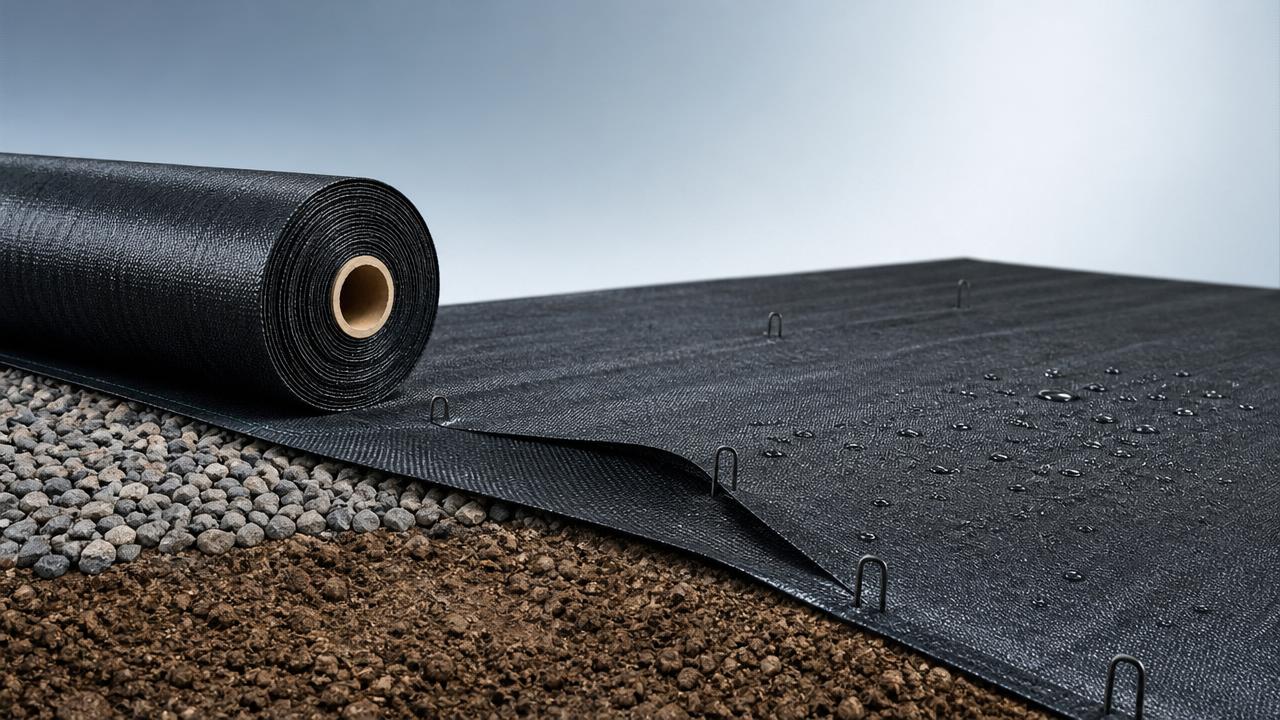
A weed control fabric roll is a permeable ground cover designed to block light, suppress weed growth, and stabilize the area below mulch, gravel, or soil.
Its job is not to create a sealed barrier. A good fabric still needs to let water pass through, release trapped heat, and reduce puddling that can weaken the installation.
In actual use, performance depends on the balance between strength and permeability. If the roll is too thin, it may rip early. If it is too dense, drainage can suffer.
This balance is why selection should be treated as a materials decision, not just a landscaping purchase. The same thinking used in technical supply chains applies here: control the variables, and long-term performance becomes easier to predict.
Why durability has become a bigger issue
Ground cover now faces harsher use conditions than many buyers expect. More sites deal with stronger sunlight, heavier foot traffic, machinery movement, and extended exposure before top layers are fully placed.
A weed control fabric roll that performs well in a sheltered garden may fail quickly in roadside, nursery, warehouse yard, greenhouse, or slope-control conditions.
Current attention also reflects labor costs. Replacing failed fabric is rarely a material problem alone. It often means removing gravel, lifting plants, clearing weeds, and reinstalling anchors.
That is why durability should be judged as lifecycle value. A slightly higher-grade fabric can reduce repair frequency, patchwork seams, and unplanned maintenance rounds.
The first signs of a durable fabric
Fabric weight and structure
Weight is one of the easiest starting points. Heavier rolls generally offer better puncture resistance and slower wear, though weight alone does not guarantee quality.
Woven fabric usually provides stronger tensile performance and dimensional stability. Non-woven fabric may offer different drainage behavior, but it should still match the intended load and surface conditions.
UV resistance
Sunlight is one of the fastest causes of failure. If a weed control fabric roll remains exposed for long periods, weak UV protection can make it brittle, faded, and easy to split.
Look for clear information on UV stabilization rather than vague outdoor claims. When exposure time is uncertain, a higher UV rating is often a safer choice.
Tear and puncture strength
Durability is often lost at stress points. Stakes, sharp gravel, root pressure, and turning wheels can create small openings that spread over time.
A dependable weed control fabric roll should tolerate installation stress without fraying at the edges or splitting around anchor points.
Coverage is more than roll size
Many buyers treat coverage as a simple width-by-length calculation. In practice, effective coverage is reduced by overlaps, trimming, obstacle cuts, and edge securing.
On uneven ground, coverage also depends on how well the roll stays flat. A rigid or poorly wound fabric may lift at the edges, creating air gaps and weak zones.
Seam performance matters as well. When multiple strips are needed, overlap width and anchoring pattern influence whether weeds emerge through the joints.
In other words, the true question is not how much area the label suggests, but how much area remains continuously protected after installation.
Common causes of poor coverage
- Insufficient overlap between adjacent rolls
- Edge curl caused by low stiffness or weak anchoring
- Cuts around pipes, posts, or plants left unsealed
- Surface movement under gravel or mulch after rainfall
- Roll width mismatched to the site layout
How to judge performance before buying
The most useful approach is to compare a weed control fabric roll using several linked criteria instead of a single headline number.
This method mirrors a broader industrial habit: evaluate materials through testable properties. SCM applies that mindset in technical benchmarking, and it is equally useful for field materials where service life depends on repeated exposure.
Where different rolls fit best
Not every weed control fabric roll belongs in every setting. The expected load, sunlight level, and maintenance pattern should guide the choice.
Light-duty areas
Decorative beds, short-term planting zones, and covered surfaces may work with lighter rolls, especially when UV exposure is limited.
Medium-duty areas
Paths, nurseries, greenhouse aisles, and gravel strips usually need stronger fabric with better seam security and improved tear resistance.
Heavy-duty areas
Slopes, service zones, roadside edges, and areas with repeated equipment contact need higher durability, stable anchoring, and reliable drainage under load.
Installation choices can protect or waste material quality
Even a premium weed control fabric roll can underperform if it is installed poorly. Surface preparation remains one of the most overlooked factors.
Sharp stones, roots, and debris should be removed before unrolling. A cleaner base reduces punctures and helps the fabric sit evenly across the ground.
Anchors should be spaced according to wind, slope, and traffic conditions. Too few fasteners allow movement. Too much tension can distort the weave and stress the edges.
When using multiple sections, generous overlap is usually safer than tight alignment. Small gaps are easy to miss during installation and costly to correct later.
Practical checks on site
- Confirm whether the roll lies flat after uncoiling
- Test drainage with a small water pour
- Inspect cut edges for fraying
- Check if anchors hold without tearing the fabric
- Review seam areas after the first rainfall
A clearer way to make the next decision
A weed control fabric roll should be judged the same way any reliable working material is judged: by how consistently it performs under real conditions.
Start with the site itself. Look at sun exposure, ground shape, top cover, drainage, and expected traffic. Then compare roll weight, UV resistance, permeability, and seam needs against that setting.
If options appear similar, focus on service life and maintenance effort rather than sticker price alone. That shift usually leads to a more accurate choice.
A short evaluation checklist, a small field test, and closer attention to coverage details can reveal more than a product label. That is often the best next step before committing to a full installation.
Recommended News
- HDI TechnologyHow to vet PCB suppliers in a directory before requesting quotesPCB suppliers directory guide: learn how to verify capabilities, certifications, traceability, and quote assumptions before selecting a reliable PCB partner.
- HDI TechnologyHow UAE engineering data repositories improve design traceabilityEngineering data repository UAE solutions strengthen design traceability by linking requirements, revisions, supplier evidence, and manufacturing data. Explore practical ways to reduce risk and accelerate releases.
- HDI TechnologyHow to verify UL recognition for printed circuit boardsPrinted circuit boards UL verification made clear: learn how to check UL marks, file numbers, factory scope, stack-ups, and traceability for audit-ready compliance.
- HDI TechnologyMulti layer PCB design guide for controlling signal crosstalkMulti layer PCB design guide for controlling signal crosstalk with stackup, spacing, return-path, and validation strategies for reliable high-density boards.
- HDI TechnologyHow tighter manufacturing tolerances change HDI PCB pricesMicro tolerance manufacturing price explained: see how tighter HDI PCB tolerances affect yield, inspection, supplier options, and sourcing costs.
- HDI TechnologyHow automotive PCB impedance control prevents signal failuresAutomotive PCB impedance control prevents reflections, noise, and timing errors in ADAS, EV, and infotainment systems. Learn how to build reliable signal paths.